Sir William Bradshaw–Lady Bradshaw relationship
Mrs DallowaySir William Bradshaw–Lady Bradshaw relationship is portrayed as a marriage in which outward respectability masks a profound imbalance of will. Lady Bradshaw’s gradual submission enables the household’s smooth social presentation, while the narrative exposes the private cost of adapting herself to her husband’s desire for control.
Marriage and the Loss of Independence
The change in Lady Bradshaw is described as a slow sinking rather than a single rupture: fifteen years earlier, she had “gone under,” with no decisive scene or break. Her will gradually yielded to Sir William’s. The account makes the marriage’s imbalance difficult to isolate in any one incident; its force lies in the cumulative alteration of her choices and conduct.
Once able to catch salmon freely, Lady Bradshaw now curbs and reshapes herself in response to her husband’s appetite for dominion. Her smile remains sweet and her submission swift, but these outward signs of agreeableness accompany a narrowing of her independence. The contrast between her earlier freedom and her present self-restraint defines the relationship’s central change.
The Household and Its Social Performance
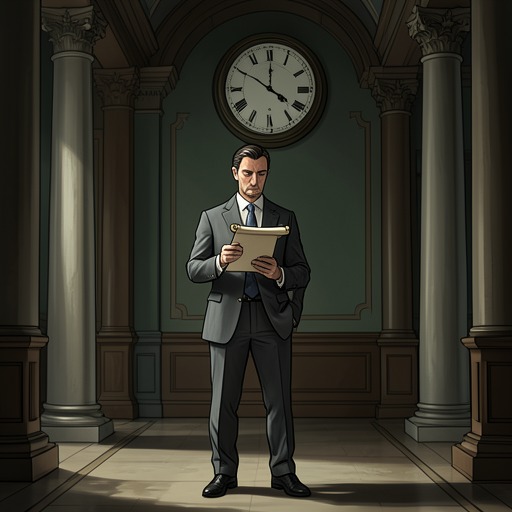
At their Harley Street home, Lady Bradshaw presides over formal dinners of eight or nine courses for groups of ten or fifteen professional guests. The meals proceed smoothly and urbane manners preserve the appearance of a successful household. Yet, as the evening wears on, slight unease, nervous gestures, and confusion betray a discomfort that the guests cannot readily explain.
Lady Bradshaw’s public explanation that her husband’s life belongs to his patients helps sustain the household’s respectable image, but the narrative links her constrained conduct to his craving for power. When the clock strikes ten, guests feel relief as they leave Harley Street; Sir William’s patients, by contrast, do not receive that ordinary release from the atmosphere of his authority.
Power, Duty, and the Narrative’s Judgment
The narrative interprets Sir William’s influence through the idea of “conversion”: he seeks to impress his own image upon other people, and his pursuit of reform and institutions is set against the harm done to individual will. Lady Bradshaw’s submission is concealed beneath accepted ideals such as love, duty, and self-sacrifice. Those honorable names make the imbalance easier to disguise, not less consequential.
The marriage thus embodies a broader critique of authority that presents itself as benevolent. Sir William’s decisiveness and humanity win him the trust of victims’ relations, while the same combination helps make his control socially acceptable. Lady Bradshaw’s diminished freedom and the dinner guests’ unease reveal what that public approval leaves out: an orderly domestic performance sustained by her accommodation to his will.