
Margo Fairchild’s New Life
Mrs. FletcherThis thread traces Margo Fairchild’s effort to live openly as a woman, speak across generational divides, and build intimate connections in the life she has reclaimed.
increasing Bearing strength in each event
 decreasing
Bearing strength in each eventdecreasingA Classroom Introduction
A Classroom Introduction
An Unusual Instructor
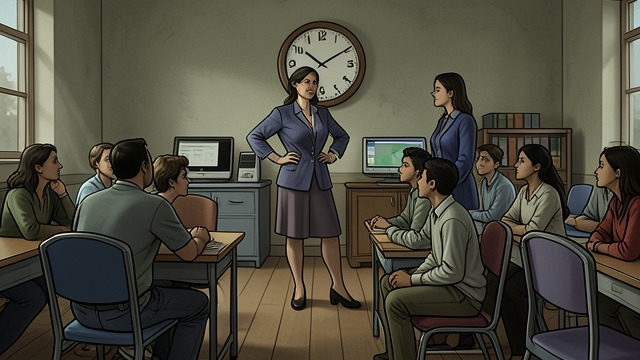
Margo Fairchild introduces herself as an adjunct professor teaching Gender and Society. Her composed presentation and carefully managed appearance contrast with the varied assumptions students bring into a classroom about gender.
A Life Behind the Course
The class becomes more than an abstract seminar because Margo’s experience gives its questions immediate human stakes. She has lived through a transition that changed her public identity and forced her to reconsider the life she once tried to inhabit.
A New Social World
For Eve Fletcher, Margo becomes both a teacher and a possible friend. Their emerging connection offers Margo the prospect of female companionship she feels she missed during the years when she lived as a man.
A Friend in the Parking Lot

A Friend in the Parking Lot
Asking for Company
Margo asks Eve to accompany her to a gathering at PLAY BALL!, admitting that entering a sports bar alone feels difficult. Calling Eve a girlfriend reveals a desire for ordinary female friendship, not simply a professional relationship between instructor and student.
The Cost of Lost Time
In Eve’s minivan, Margo speaks about feeling out of place at her daughter’s birthday gathering. Other parents were not openly hostile, but their discomfort was visible to her and to her daughter.
A Shared Vulnerability
Margo considers whether leaving the suburbs would help, then recognizes that isolation is not confined to one location. Eve’s response—that loneliness belongs to the human condition—does not solve the problem, but establishes the frank intimacy that their friendship will continue to develop.
The Mother’s Rejection
The Mother’s Rejection
A Final Message
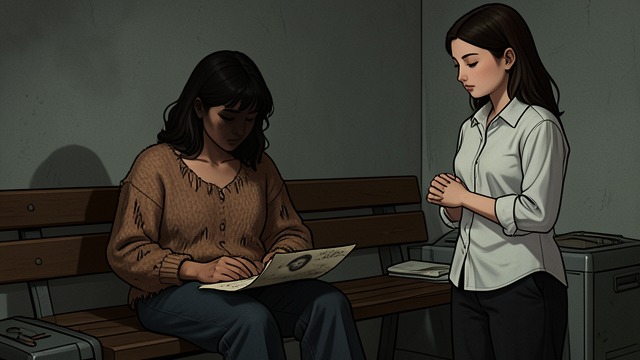
Margo tells Eve that her mother died after a sudden illness, not long after Margo completed her transition. Near the end of her life, her mother wrote that Margo was confused and needed to wake up, making rejection her final message.
Grief Without Closure
Margo wishes she could explain that she is not a lost boy but the daughter she has always understood herself to be. She also knows that speaking again might only expose her to another injury, leaving love and resentment knotted together.
Eve’s Interpretation
Eve suggests that Margo’s mother loved the child she thought she knew but could not accept the person Margo became. The explanation offers compassion without erasing the harm, and shows how family attachment can persist even when recognition fails.
A Public Testimony

A Public Testimony
Choosing to Speak
Margo addresses an audience of older residents with a presentation about her life. She once resisted Eve’s invitation, assuming older people would be unreceptive, but Eve persuaded her that dismissing them would repeat the exclusion Margo herself had faced.
Telling the Story
Photographs trace Margo’s life as Mark: childhood, basketball, adolescence, and the performance of a masculine identity that felt increasingly false. She recounts discovering her mother’s blue ruffled swimsuit and the fear and longing of being caught wearing it.
An Unwelcome Question
The audience’s response is colder than Margo hoped. During the question period, a woman asks which restroom she uses, and a former basketball coach addresses her by her old name and tells her she needs help. Margo affirms that she is happier now, but the encounter exposes the limits of testimony when listeners refuse its central truth.
A Relationship Takes Shape
A Relationship Takes Shape
A New Possibility
At the PLAY BALL! gathering, Margo admits to Eve that she is attracted to Dumell and has never been with a man. Her curiosity is mixed with anxiety about whether she can trust her changing feelings and how others will judge the relationship.
Dates and Shared Confidence
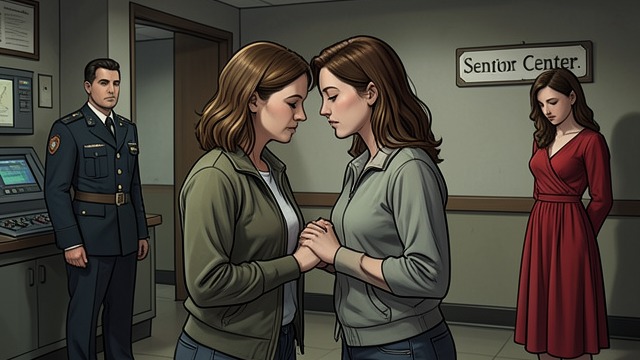
By the time of the Senior Center lecture, Margo and Dumell have been on two dates and have kissed. Their conversations range across family, military service, and mental health, giving Margo a sense of companionship that is new and deeply valued.
Choosing Each Other
At Eve’s gathering after the lecture, their affection becomes openly physical. They later endure a difficult period apart, but by Eve’s wedding they are together again, alongside Margo’s daughter. The relationship does not remove social pressure; it gives Margo and Dumell a reason to face it together.
Early fall, during Eve Fletcher’s first weeks at Eastern Community College
Fall, after an evening Gender and Society seminar
Fall, during the PLAY BALL! gathering
November, at Margo Fairchild’s Senior Center lecture
From the fall gathering through the following spring
