
Eve’s Duty to the People She Serves
Mrs. FletcherEve’s professional obligation to protect the Senior Center’s community clashes with her compassion for vulnerable people, leaving her to confront the emotional cost of necessary decisions.
increasing Bearing strength in each event
 decreasing
Bearing strength in each eventdecreasingA Necessary Expulsion

A Necessary Expulsion
Roy’s decline becomes public
Eve meets with Roy Rafferty and his son, George, after Roy exposes himself and makes an inappropriate sexual overture in the women’s restroom. Roy’s dementia has worsened since his wife’s death, and he cannot reliably remember what he has done.
Protecting the community
Eve tells the family that Roy can no longer attend the Senior Center and needs a higher level of care. She knows how much the place means to him and hears George’s plea that his father has nowhere else to go, but the distress of the other clients and the risk of further incidents leave her with little room to compromise.
Grief After the Decision
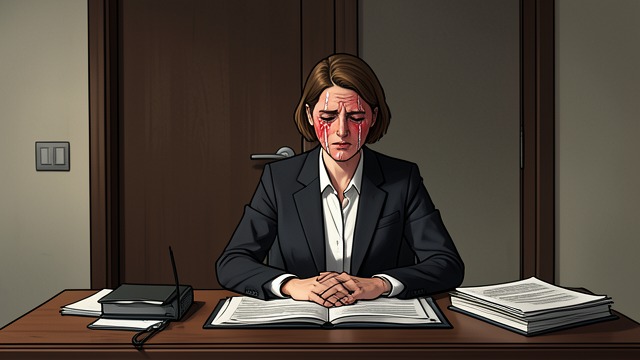
Grief After the Decision
A decision that follows her home
After the Raffertys leave, Eve shuts herself in her office and cries. She is not persuaded that she made the wrong administrative decision, but she feels the pain of having excluded a man who was once a kind, familiar presence at the Center.
The limit of professional detachment
Roy’s rapid decline and George’s family burdens make the decision feel cruel in retrospect, even though Eve had no way to know how little time Roy had left. Her grief reveals that procedure cannot shield her from responsibility for the human consequences of enforcing rules. She must continue to care while accepting that care cannot always produce a good outcome.
A Farewell at the Wake

A Farewell at the Wake
Facing the person she turned away
Eve attends Roy’s wake soon after learning that he has died. She remembers not only the confused man who was expelled, but also the generous, sociable person who had cared attentively for his wife after their son’s death.
Guilt without a simple remedy
Roy’s surviving children receive Eve’s condolences without openly blaming her, yet the funeral cannot reverse the humiliation of his final weeks or make her decision feel painless. By honoring the fuller life she knew, Eve tries to separate the man from the dementia that altered him, while recognizing that her official act remains part of his last chapter.
A Call for Help
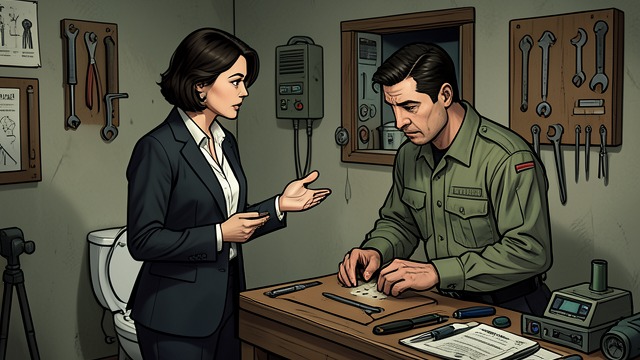
A Call for Help
Another difficult institutional problem
During a lecture night, a client reports that the accessible restroom has overflowed. Eve is already managing the event and wants the problem to wait, but the custodian insists that the toilet’s condition requires immediate attention.
Returning to the Rafferty family
When her regular plumbers cannot come quickly, Eve calls George Rafferty, knowing that she previously expelled his father from the Center. George responds cordially and comes to repair the toilet. Their practical exchange begins to shift Eve’s association with him from guilt and obligation toward respect for the burdens he has carried.
From Duty to Partnership

From Duty to Partnership
A new understanding of George
After the repair, Eve learns more about George’s grief, caregiving strain, and problem drinking during his wife’s illness. Rather than reducing him to a contractor or to the son of a former client, she recognizes the private difficulties behind his reserved manner.
A relationship chosen freely
Eve seeks George out at yoga, and they begin dating. Their bond grows from a difficult history and shared losses into a marriage that makes room for ordinary kindness, family connection, and second chances. The ending does not erase the cost of Eve’s earlier decision; it shows that her professional duty and private compassion can coexist without making her responsible for preventing every sorrow.
Late summer, before Labor Day weekend
The afternoon after Roy is expelled
A few weeks after Roy’s expulsion
The evening of the March Senior Center lecture
From the plumbing repair through Eve’s September wedding
