
Generational Authority
Much Ado About NothingThis flow examines how older guardians, young lovers, and civic officers negotiate power in Messina.
increasing Bearing strength in each event
 decreasing
Bearing strength in each eventdecreasingPaternal Governance
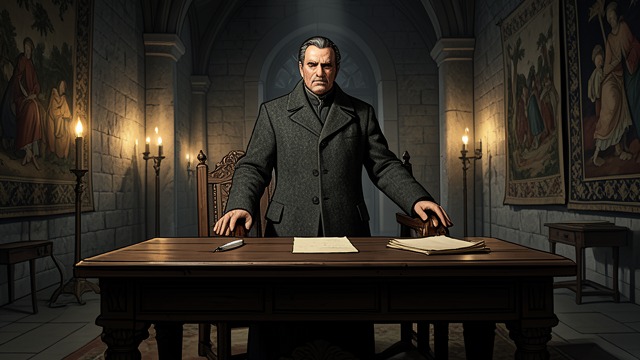
Paternal Governance
Household Authority
Leonato controls access to Hero’s future while presenting hospitality as generosity. His authority is accepted because it appears protective.
Significance
Marriage is personal desire shaped by family power.
Young Defiance
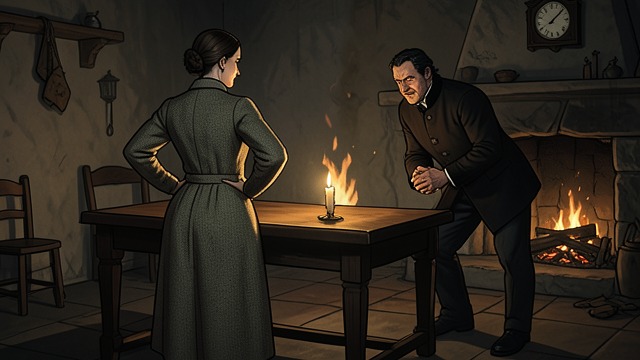
Young Defiance
Verbal Resistance
Beatrice mocks the prospect of husbandly rule and refuses to accept marriage as automatic submission. Her wit challenges the household’s assumptions.
Significance
Authority is contested through language before it is contested through action.
Authority Misused
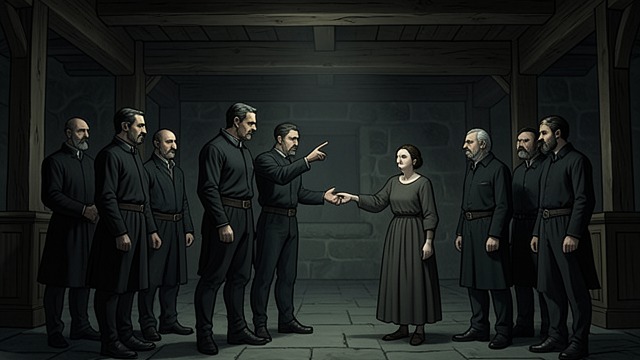
Authority Misused
Public Judgment
The princes use rank and masculine credibility to condemn Hero. Their social power silences the accused and overwhelms Leonato’s parental knowledge.
Significance
Institutional authority becomes an amplifier of error.
Older Counsel

Older Counsel
Alternative Wisdom
Friar Francis offers a plan while Leonato is consumed by grief. Religious and paternal authority are redirected toward protecting Hero.
Significance
Mature power becomes valuable when it creates time for truth.
Civic Correction
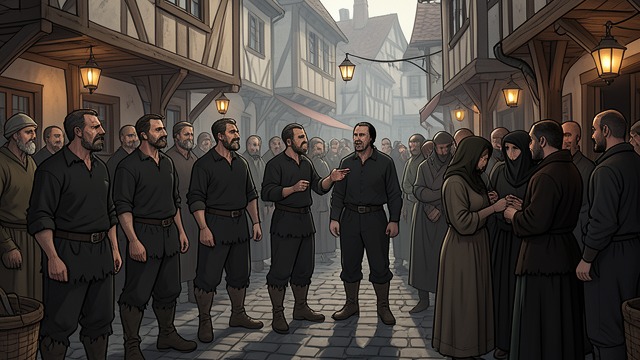
Civic Correction
Ordinary Officers
Dogberry and the Watch expose the conspiracy, while Leonato and the Sexton transmit the facts. Authority is redistributed from princes to witnesses.
Significance
The community corrects its leaders through institutional persistence.
Act I opening
Act II supper
Act IV wedding
Act IV aftermath
Act V morning
