
Speech and Silence
Much Ado About NothingThis flow explores how characters use speech, silence, and misinterpretation to control events.
increasing Bearing strength in each event
 decreasing
Bearing strength in each eventdecreasingTalkative Defense

Talkative Defense
Verbal Control
Beatrice dominates encounters by speaking before others can define her. Her language protects autonomy through speed and surprise.
Significance
Silence is initially associated with vulnerability.
Silenced Accused
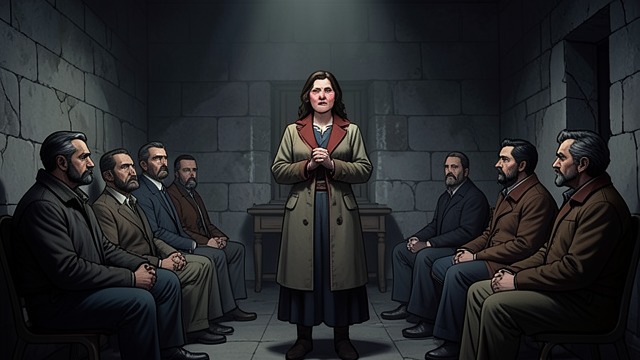
Silenced Accused
Failed Answer
Hero denies the accusation, but the men have already decided what her silence and blushes mean. Her speech cannot compete with their collective certainty.
Significance
The crisis shows that truth requires listeners as well as a truthful speaker.
Measured Counsel
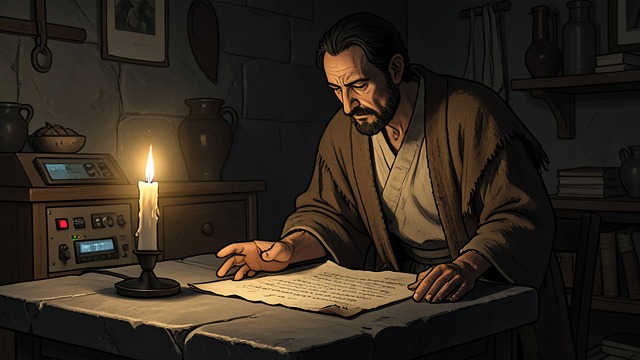
Measured Counsel
Interpretive Speech
Friar Francis speaks after observing rather than interrupting. His counsel slows the rush from accusation to punishment.
Significance
Speech becomes constructive when it is grounded in attention.
Private Vow

Private Vow
Direct Commitment
Benedick and Beatrice speak plainly about love and challenge. Their private exchange succeeds because neither hides behind conventional wit.
Significance
Truth becomes powerful when it joins confession to action.
Public Explanation
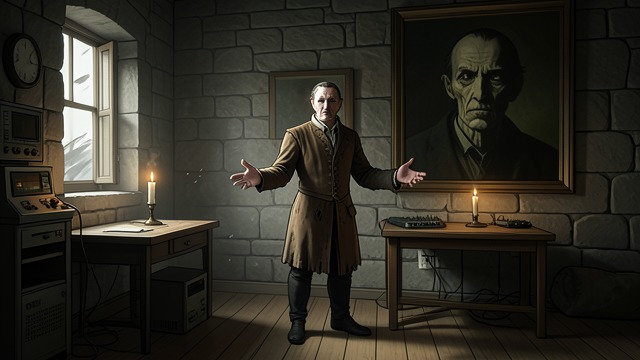
Public Explanation
Confessional Truth
Borachio describes exactly how the deception worked. His speech gives the community a narrative capable of replacing rumor.
Significance
Justice depends on making hidden processes intelligible.
Act I opening
Act IV wedding
Act IV aftermath
Act IV aftermath
Act V morning
