
The Dangerous Cost of Immortality
MulanThis flow explores how immortality offers survival without eliminating vulnerability, grief, or the consequences of choice.
increasing Bearing strength in each event
 decreasing
Bearing strength in each eventdecreasingA Mortal Sacrifice
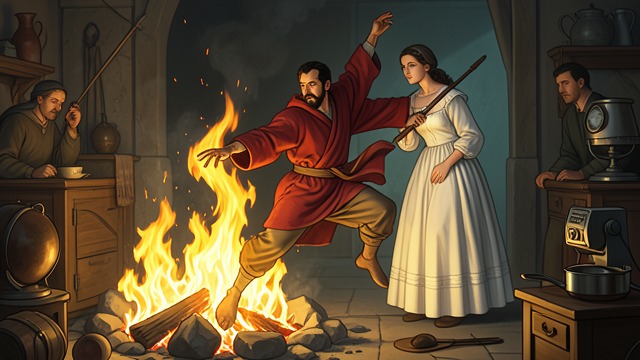
Life Given Away
A choice without protection
The Rabbit leaps into the fire to feed a beggar, accepting death rather than letting a hungry visitor go without food.
Immortality follows
The Jade Emperor restores him, making survival a gift tied to generosity rather than invulnerability.
Immortals Can Be Wounded
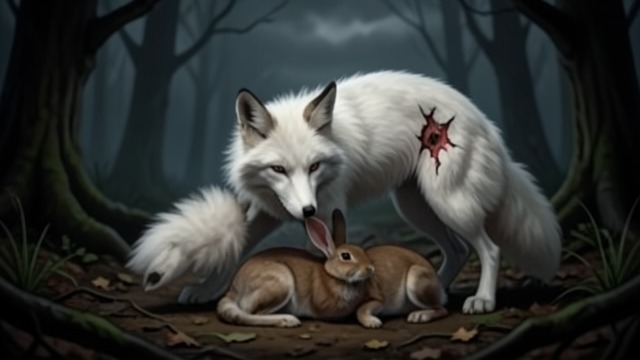
Power Has Limits
Poison reaches the healer
The White Fox’s attack damages the Rabbit despite his immortal nature.
A rule becomes personal
Mulan learns that immortals may resist sickness and age but can still be killed by weapons or poison.
Longevity as a Trap

More Years Do Not Mean Freedom
The peach is eaten
Xianniang takes a Fruit of Longevity believing it may save her brother and make her family accept her.
Survival narrows
Her extended life becomes the setting for service to Daji, showing how a promise of more years can preserve suffering rather than cure it.
A Fairy Becomes Stone
Grief Beyond Death
Waiting ends
The Butterfly Fairy cannot meet her husband before the magnolia blooms and turns herself into stone.
Immortality is not protection
Her condition is neither ordinary life nor death, revealing how emotional loss can confine an immortal beyond healing.
Healing Does Not Erase Cost

Survival and Memory
Bodies recover
The medicine restores Xiu and the Rabbit, but their rescue depended on risk, time, and the help of many others.
Relationships endure differently
Mulan may lose the details of her time with immortals, while their actions and her changed self-understanding remain consequential.
In the Rabbit’s distant past
When the Rabbit returns to Earth
In Xianniang’s past
After the magnolia deadline
After Mulan returns home
