
The Crisis at Munich
MunichThe central diplomatic crisis escalates from Hitler’s deadline to a settlement that averts immediate war but leaves the conflict unresolved.
increasing Bearing strength in each event
 decreasing
Bearing strength in each eventdecreasingHitler’s Ultimatum
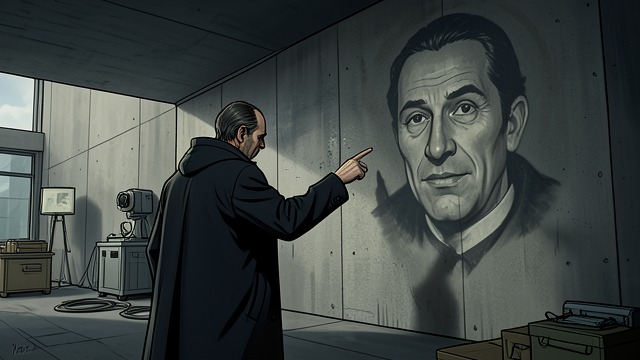
A Deadline for War
The Threat
Hitler’s demands turn the Sudeten crisis into an immediate test of whether Britain and France will resist force.
The Stakes
The threatened invasion leaves little time for diplomacy and exposes the military risks of a European war.
Britain Prepares
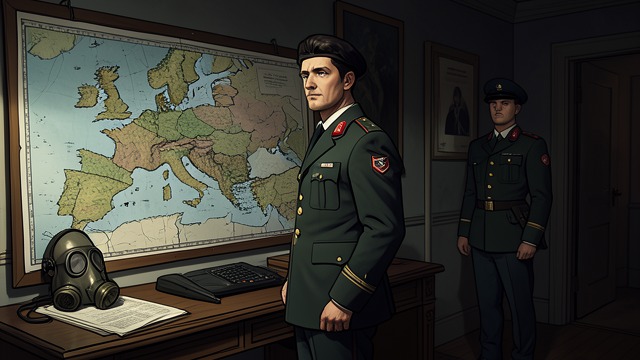
Mobilisation and Fear
Military Reality
The British Chiefs of Staff warn that Britain is poorly prepared to defend itself or save Czechoslovakia by force.
Civilian Anxiety
Trenches, balloon defences and gas masks make the prospect of war visible in London.
The Last Appeal

Appeals to Berlin and Rome
A Final Attempt
Neville Chamberlain sends personal appeals to Adolf Hitler and Benito Mussolini, offering a conference to settle the crisis.
Time Bought
The effort briefly depends on whether the dictators will accept delay rather than immediate mobilisation.
The Munich Talks
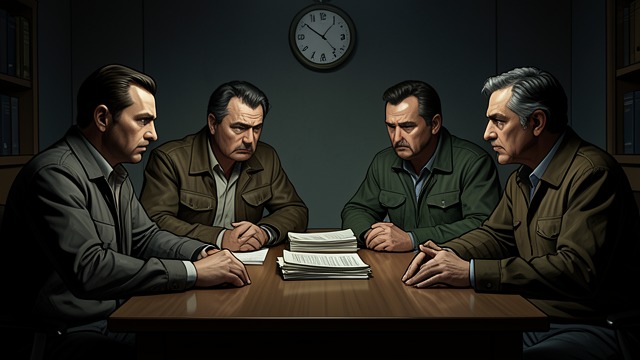
Negotiation Under Pressure
A Narrow Table
Britain, France, Germany and Italy negotiate without the Czechoslovak representatives whose territory is at stake.
A Draft Takes Shape
Disputes over evacuation and guarantees are narrowed into a document designed to secure agreement before the deadline.
The Agreement Signed
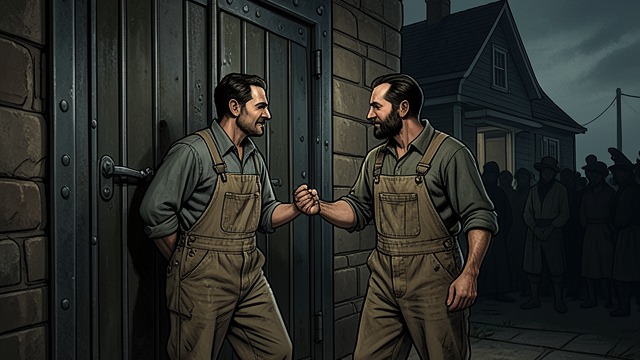
Averted War
The Signature
The leaders sign the Munich settlement, authorising the transfer of the Sudetenland to Germany.
An Uneasy Ending
Celebration follows, but the agreement leaves the Czechs exposed and does not answer what Hitler will demand next.
27 September 1938, morning
27 September 1938, afternoon
28 September 1938, morning
29 September 1938, daytime
30 September 1938, after midnight
