
Chamberlain’s Peace Strategy
MunichNeville Chamberlain pursues negotiation as a moral and political duty, hoping to prevent war now and secure a wider peace later.
increasing Bearing strength in each event
 decreasing
Bearing strength in each eventdecreasingA Personal Burden
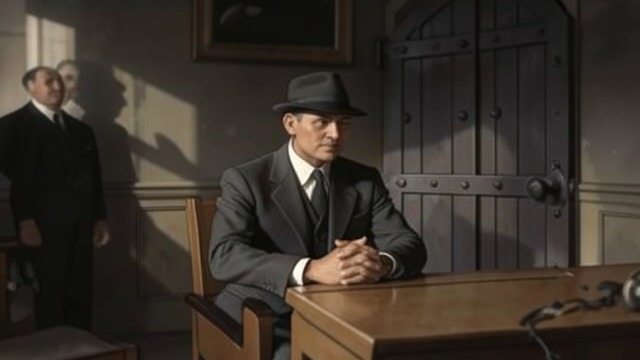
The Prime Minister Under Strain
The Military Briefing
Chamberlain hears that British defences are inadequate and that London could suffer devastating bombing.
A Moral Obligation
His fear of another war is rooted in the suffering of the previous conflict and his belief that every path to peace must be tried.
A Public Appeal
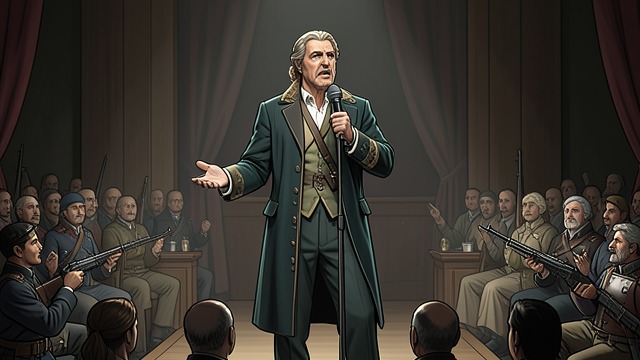
Addressing the Nation
Hope Against Panic
Chamberlain tells listeners that he will work for peace to the last moment.
A Carefully Limited Warning
His broadcast reassures the public but does not reveal the full military or diplomatic picture.
A Day Bought
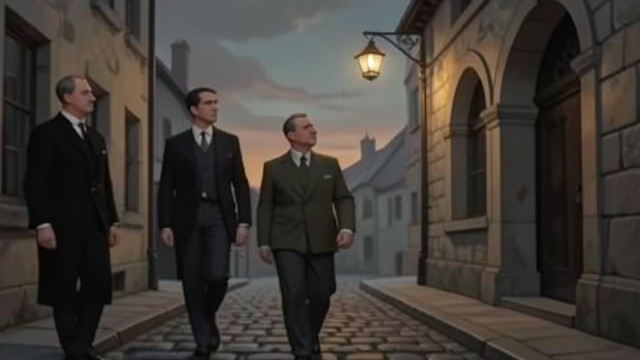
Relief Without Resolution
Mussolini’s Intervention
Chamberlain learns that Hitler has postponed mobilisation for twenty-four hours.
The Next Journey
Rather than treating the delay as a settlement, he uses it to proceed to Munich and keep negotiating.
A Deal Accepted
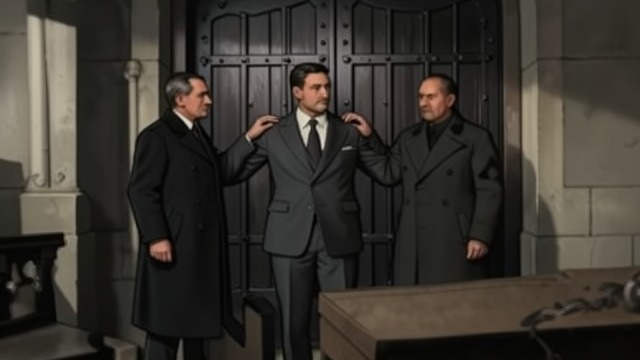
Choosing the Immediate Peace
Warning Presented
Legat and Hartmann bring Chamberlain evidence of Hitler’s future ambitions.
Political Reality
Chamberlain judges that Britain and France cannot plausibly fight to deny German self-determination and chooses to complete the agreement.
The Declaration Read Aloud
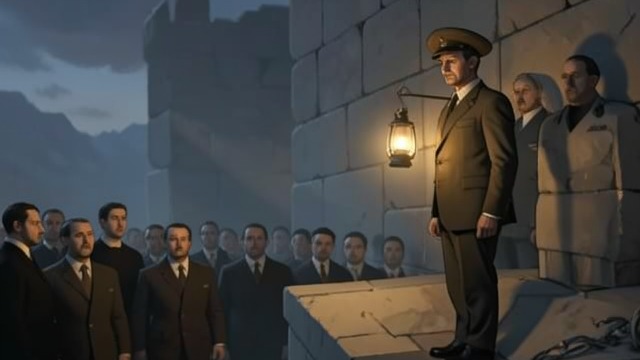
Hope Made Public
A Joint Statement
Chamberlain returns with a declaration promising consultation and peace between Britain and Germany.
A Message to the Crowd
He presents the paper as grounds for hope, while Legat doubts that it can restrain Hitler.
27 September 1938, afternoon
27 September 1938, evening
28 September 1938, afternoon
29 September 1938, night
30 September 1938, evening
