
Truth and Propaganda
MunichThe novel contrasts secret records and lived experience with official claims designed to justify expansion and manufacture consent.
increasing Bearing strength in each event
 decreasing
Bearing strength in each eventdecreasingFabricated Refugees

Claims as Political Material
A Telegram to Roosevelt
Hartmann sees allegations about mass Czech violence against Sudeten Germans in a German message.
Uncertain Truth
He cannot determine what is true, recognising that facts are being shaped to serve war.
A Managed Audience
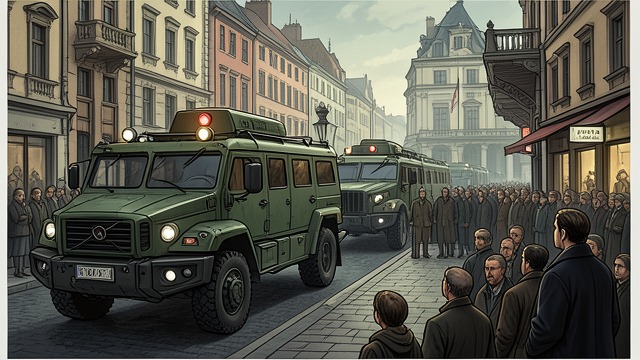
Staged Enthusiasm
Military Parade
Hartmann watches an armoured column pass through Berlin as a small crowd fails to respond with expected enthusiasm.
A Regime Misreads the Public
The discrepancy suggests that the propaganda performance cannot wholly manufacture popular desire for war.
Munich’s Celebrations
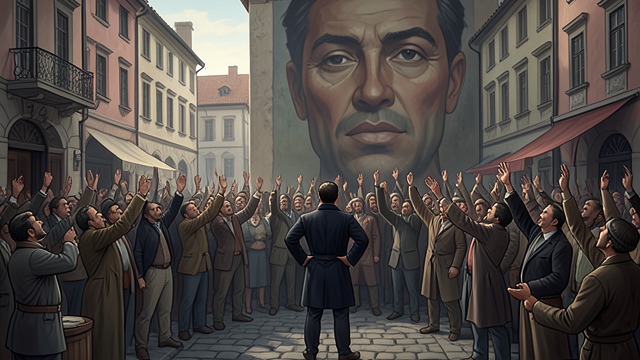
Peace Presented as Triumph
Crowds and Banners
The city stages a celebratory welcome for the leaders and invites citizens to cheer.
Competing Interpretations
Many people believe they are celebrating peace, while Hartmann fears they do not know what the regime intends.
The Press Summary
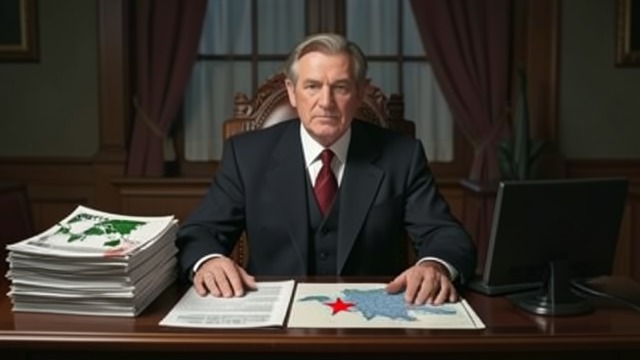
Foreign Opinion Reaches Hitler
Praise for Chamberlain
Hartmann prepares a digest showing international relief and admiration for the British Prime Minister.
A Difficult Truth
The coverage suggests that a public campaign for peace has created a visible political constraint on Hitler.
The Crowd’s Verdict
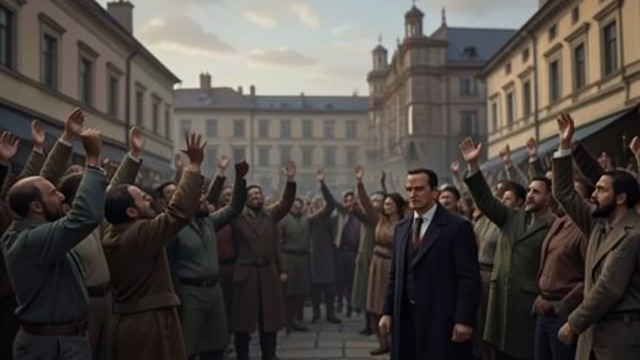
Cheers Are Compared
Different Responses
Hitler reads reports that Munich crowds cheered Chamberlain more warmly than they cheered him.
Public Feeling as Evidence
The comparison irritates Hitler and reveals that propaganda cannot entirely control the meanings people attach to a spectacle.
28 September 1938, morning
27 September 1938, afternoon
29 September 1938, afternoon
30 September 1938, morning
30 September 1938, late morning
