
The Agreement and Its Aftermath
MunichThe negotiated settlement postpones invasion but extracts a profound price from Czechoslovakia and offers no guarantee of lasting peace.
increasing Bearing strength in each event
 decreasing
Bearing strength in each eventdecreasingA Demand for Territory

The Sudetenland at Stake
Claims and Deadlines
Hitler insists on rapid German occupation of territory he claims should already be transferred.
The Wider Danger
The dispute threatens to turn an ethnic and territorial question into a European war.
A Draft Agreement

Terms Written Under Pressure
Concessions and Wording
Officials revise an Italian-presented draft, adjusting language around guarantees and transfer.
Procedure Replaces Justice
The technical refinements create a workable agreement without giving the affected Czechs equal authority in the negotiations.
The Czechs Excluded
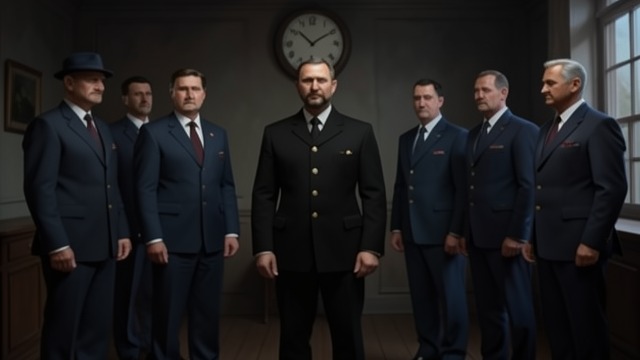
A Decision Made Without Prague
The Delegation Held Back
Czech representatives arrive in Munich but are prevented from joining the talks.
A Settlement Imposed
British officials explain the terms to them as a fait accompli, making the power imbalance impossible to ignore.
Signing at Midnight
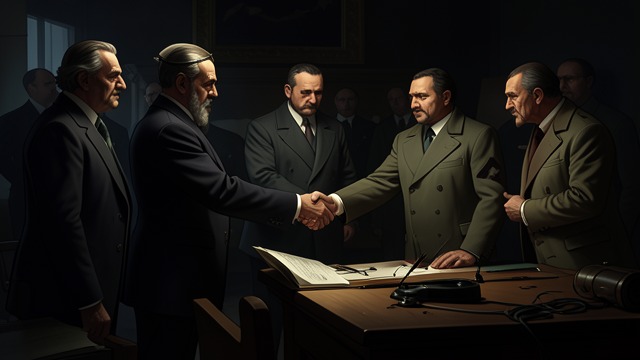
The Munich Settlement
The Signatures
The four powers sign terms requiring evacuation of the Sudetenland and international supervision.
Immediate Relief
The agreement averts war for the moment, while stripping Czechoslovakia of vital defences and leaving future disputes unresolved.
A Tripwire Remains

Peace on Borrowed Time
Celebration in Britain
Chamberlain returns to acclaim and presents a separate declaration as a sign of future cooperation.
Legat’s Judgment
Legat sees the settlement as a pause rather than an ending and expects Hitler to cross the line again.
26–27 September 1938
29 September 1938, afternoon
29 September 1938, late afternoon
30 September 1938, shortly after midnight
30 September 1938, evening
