
The Coup’s Collapse
MunichThe prospect of a military-backed coup rises with the threat of war, then fades when mobilisation is postponed and the Army does not act.
increasing Bearing strength in each event
 decreasing
Bearing strength in each eventdecreasingA Conditional Promise
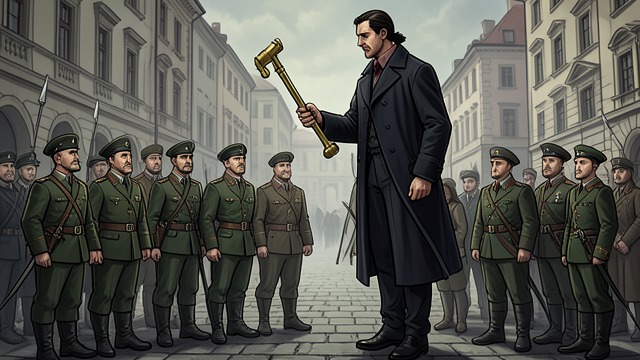
Opposition with Conditions
Army Anxiety
Some German military leaders oppose a war they believe Germany could lose.
Limits of Their Resistance
Their opposition is not a principled rejection of dictatorship; it depends on the strategic situation.
A Planned Arrest
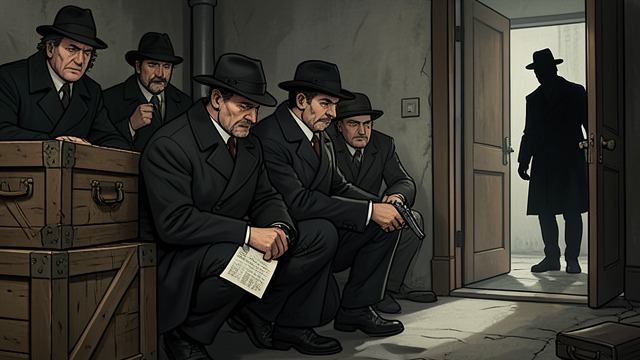
The Conspirators Prepare
Surprise as Their Advantage
The resistance group plans to seize Hitler before he can order an invasion.
A Fragile Design
The plan requires other Army forces to protect the plotters from the SS after the initial move.
The Army’s Decision Point
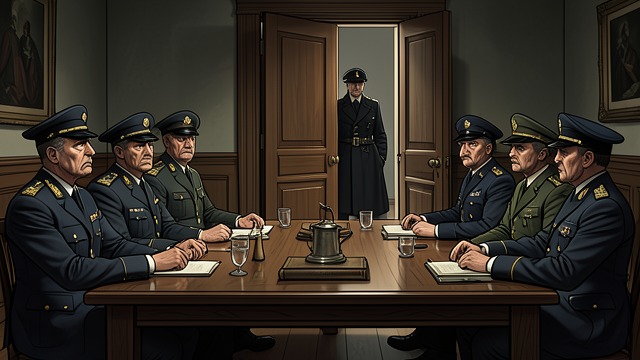
Generals Weigh the Risk
Evidence Reaches Command
Hitler’s hard-line response is brought to senior Army figures.
No Decisive Action
The leaders hesitate, and the conspirators cannot convert private sympathy into an order to move.
The Postponement

The Opportunity Narrows
Mobilisation Delayed
Mussolini’s intervention postpones the deadline and changes the immediate calculation.
The Coup Loses Its Trigger
The Army does not act when the danger of war temporarily recedes, leaving the civilian conspirators isolated.
Agreement Strengthens Hitler

The Regime Gains Prestige
A Bloodless Victory
Hitler secures the Sudetenland without war and gains a political triumph.
Resistance Faces a Harder Task
The generals’ strategic objection weakens, making another attempt to remove Hitler more difficult.
Late summer 1938
27 September 1938, night
28 September 1938, morning
28 September 1938, early afternoon
30 September 1938, morning
