Charred Note Fragment
Murder on the Orient ExpressThe charred note fragment is the single most important piece of physical evidence in the murder of Samuel Edward Ratchett, for it is the key that unlocks the victim's true identity and the motive behind his death. Found among the ashes in the ashtray of Ratchett's compartment, the fragment is a tiny, burned scrap of paper that Poirot, using a makeshift method with a spirit stove and curling-tongs, restores to reveal three words and part of a fourth: "member little Daisy Armstrong." This discovery transforms the investigation, revealing that Ratchett is actually Cassetti, the man responsible for the kidnapping and murder of three-year-old Daisy Armstrong, a crime that led to the deaths of her parents and an innocent nursemaid, and which set in motion the elaborate conspiracy that culminates in Ratchett's death on the Orient Express.
Discovery and Restoration
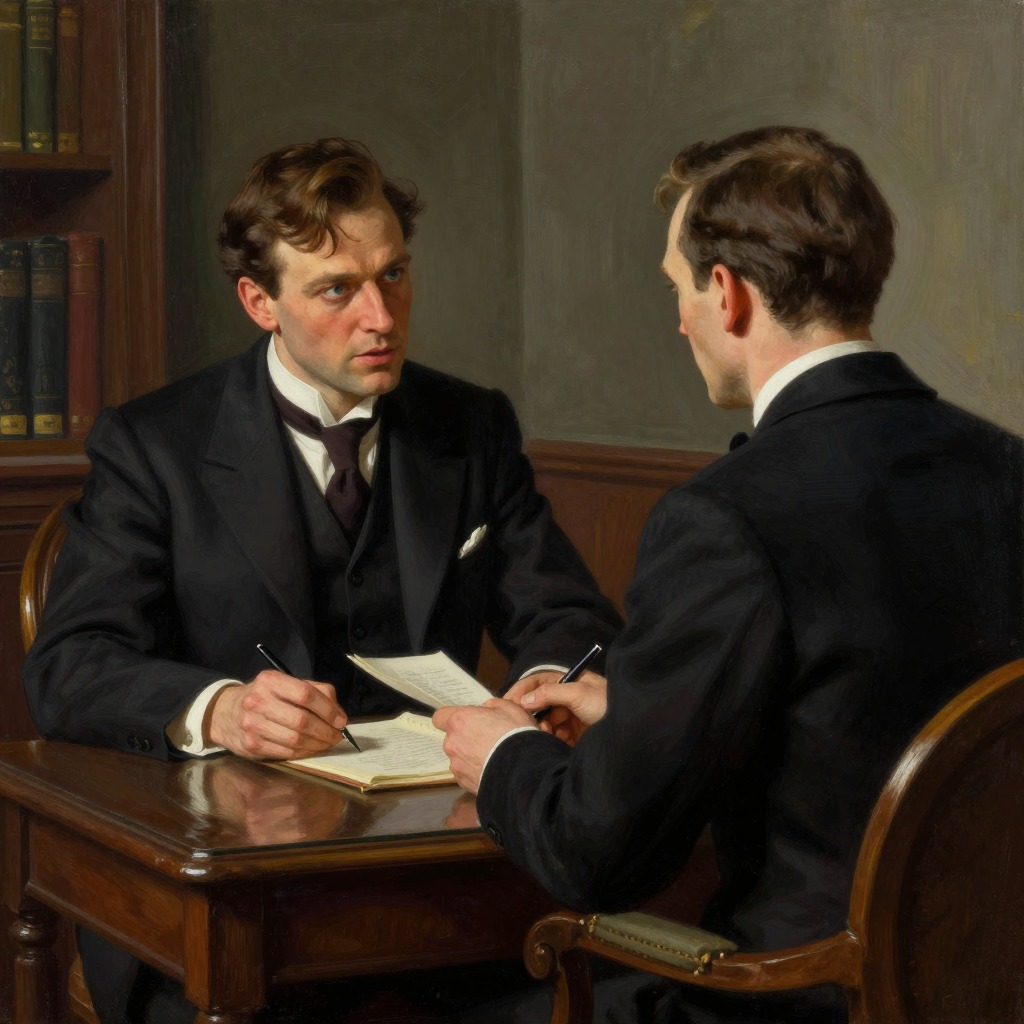
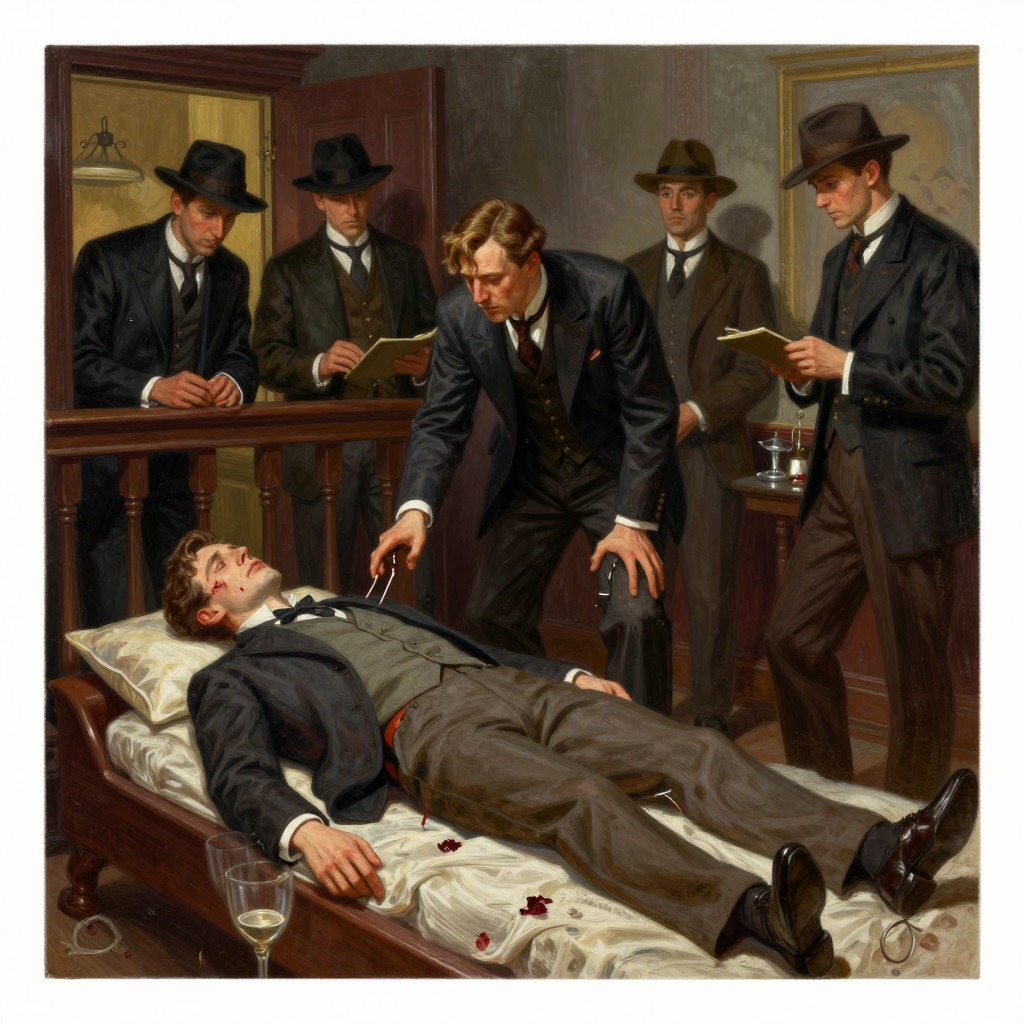
During the initial examination of Ratchett's compartment, Poirot notices the charred fragments of paper in the ashtray, along with the butt of a cigar and two burnt matches. He carefully picks up the scrap and, recognizing its potential significance, devises a method to read it. He retrieves a spirit stove and a pair of curling-tongs from his own luggage, explaining to Dr. Constantine, "I use them for the moustaches." He then flattens two wire humps from a hat-box, places the charred scrap between them, and holds the assembly over the flame of the spirit-lamp. As the metal glows, faint letters appear, forming the words "member little Daisy Armstrong." Poirot's reaction is immediate and sharp: "Ah!" he exclaims, his eyes shining. He lays down the tongs carefully and declares, "Yes. I know the dead man's real name. I know why he had to leave America." He then reveals the name to be Cassetti.
Significance and Connection to the Armstrong Case
The fragment is the linchpin that connects Ratchett to the Armstrong kidnapping case, a tragedy that had captivated public attention. Poirot explains to M. Bouc and Dr. Constantine that Cassetti was the head of the gang that kidnapped and murdered little Daisy Armstrong, the three-year-old daughter of Colonel Armstrong and his wife, Sonia. The crime had a devastating ripple effect: Mrs. Armstrong, who was pregnant, died after giving birth prematurely to a stillborn child upon learning of her daughter's death, and the broken-hearted Colonel Armstrong shot himself. An innocent French nursemaid, Susanne, who was wrongly suspected of complicity, threw herself from a window in despair. Cassetti was arrested but acquitted on a technicality, after which he changed his name to Ratchett and fled America. The charred note, which Poirot deduces was a letter intended to make sure Ratchett understood the reason for the threats against his life, was the one piece of evidence the murderer most needed to destroy. Its partial survival is a critical blow to the conspirators' plan.
Narrative Role and Thematic Significance
The charred note fragment functions as a classic detective-story clue, but its role is more complex than a simple revelation. Poirot immediately recognizes that the note was "not intended to be found" and that its careful destruction indicates that "there must be on the train someone so intimately connected with the Armstrong family that the finding of that note would immediately direct suspicion upon that person." This insight sets the stage for Poirot's method of "guessing"—casting each passenger for a role in the Armstrong household. The fragment also becomes a point of tension when Hector MacQueen, upon hearing of its discovery, makes a revealing slip of the tongue. He starts to say, "But surely—" and then changes it to "I mean—that was rather careless of the old man." Poirot later notes that MacQueen's initial reaction suggests he knew the note had been burnt, implicating him in the conspiracy. The fragment, therefore, is not just a piece of information but a test of the conspirators' composure and a crack in their carefully constructed facade.