Conspiracy
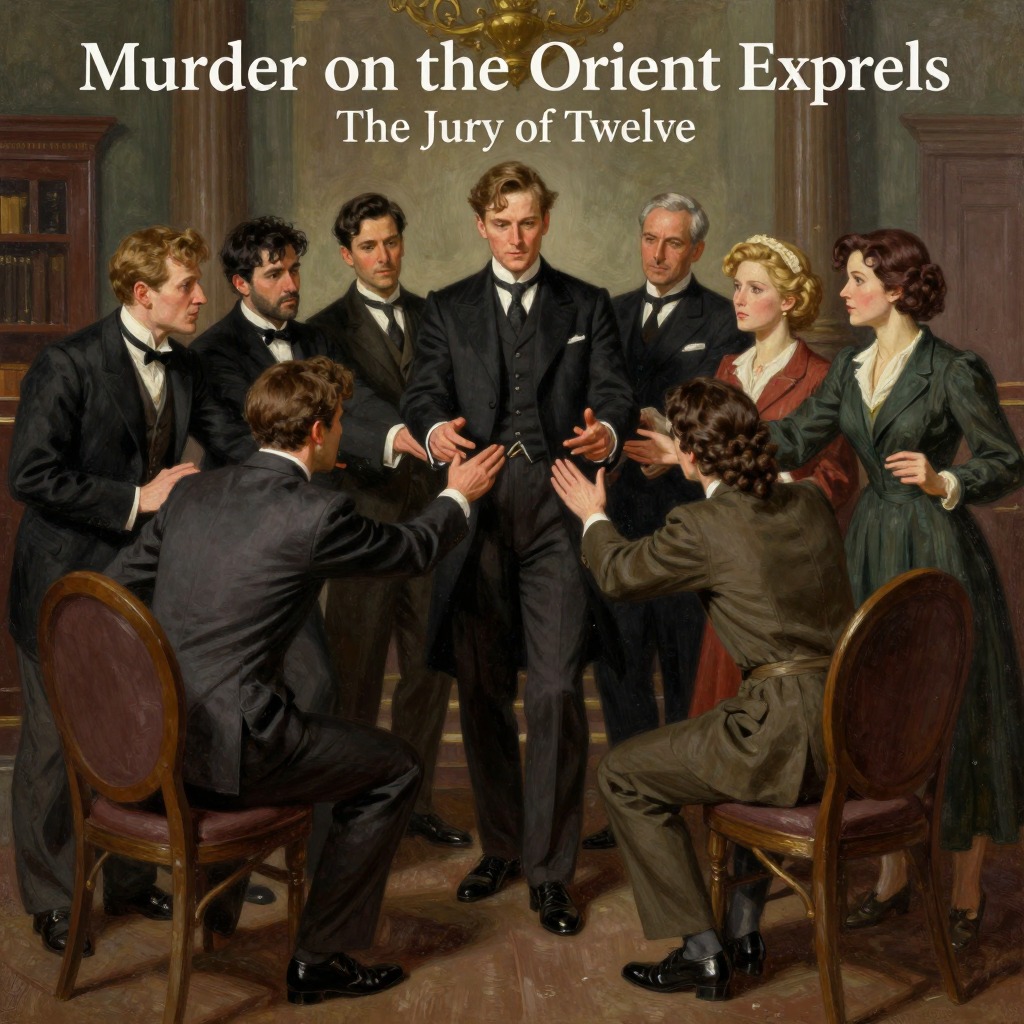
Murder on the Orient ExpressThe Conspiracy is the secret, collective plan by twelve passengers aboard the Orient Express to execute Samuel Edward Ratchett, the kidnapper and murderer of Daisy Armstrong, as an act of vigilante justice after he escaped legal punishment. This organized plot, conceived by the victims' family and servants, transforms the murder into a ritualized execution carried out by a self-appointed jury, and forms the central revelation and moral crux of the novel.
Origins and Motivation
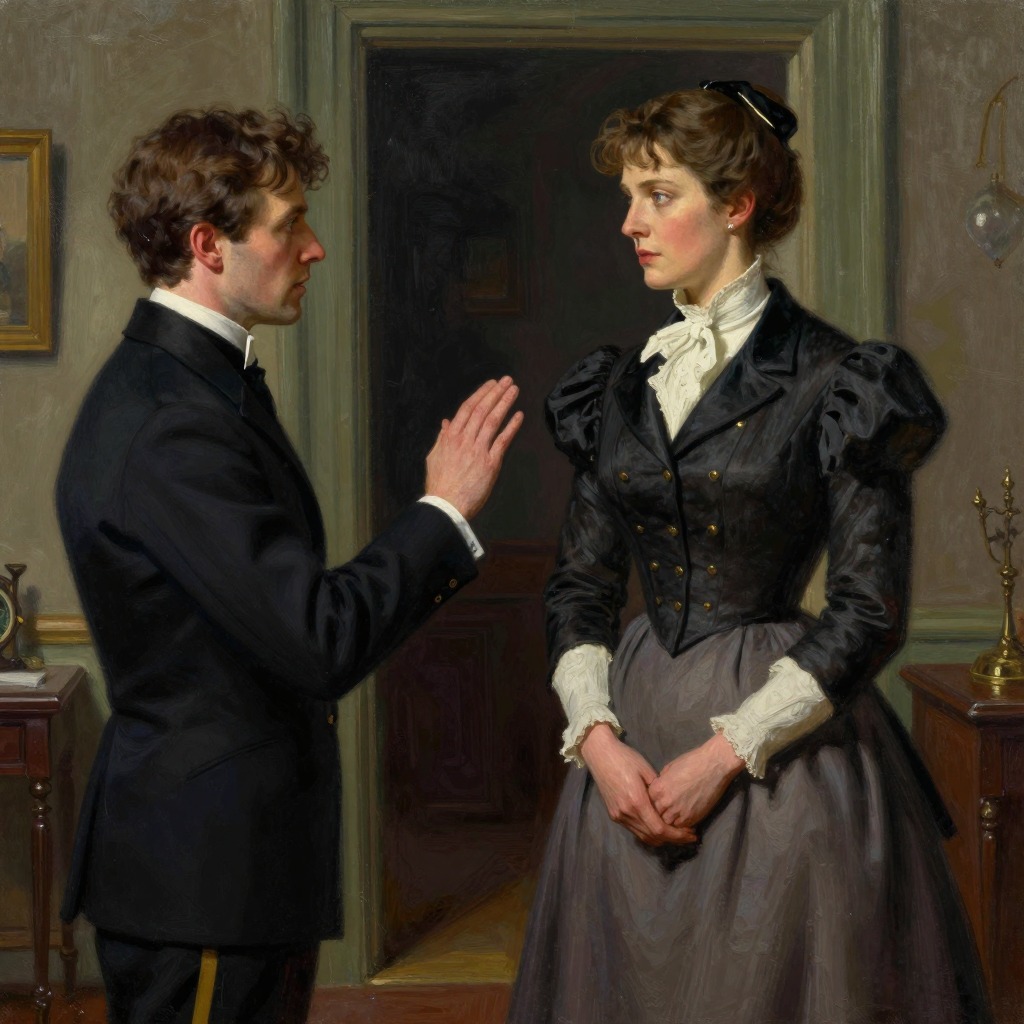
The conspiracy was born from the devastating aftermath of the Armstrong kidnapping case. Ratchett, whose real name was Cassetti, had kidnapped and murdered three-year-old Daisy Armstrong, causing the death of her mother Sonia Armstrong from premature childbirth and the suicide of her father Colonel Armstrong. A French nursemaid, Susanne, who was wrongly suspected of complicity, threw herself from a window in despair. The conspirators included Linda Arden, the celebrated actress and mother of Sonia Armstrong, who later disguised herself as Mrs. Hubbard; Colonel Arbuthnot, Colonel Armstrong's best friend who had saved his life in the war; Hector MacQueen, whose father had been the district attorney on the case and who adored Sonia; Antonio Foscarelli, the family chauffeur; Mary Debenham, the governess; Greta Ohlsson, the nurse; Edward Masterman, Colonel Armstrong's former batman and valet; Pierre Michel, the Wagon Lit conductor and Susanne's father; Cyrus Hardman, who had been in love with Susanne; Hildegarde Schmidt, the family cook; and Princess Dragomiroff, Sonia's godmother. They decided that the death sentence Cassetti had escaped must be carried out. The Italian chauffeur, Antonio, first suggested the method of multiple stab wounds, and Mary Debenham later worked out the detailed plan with Hector MacQueen.
Organization and Execution
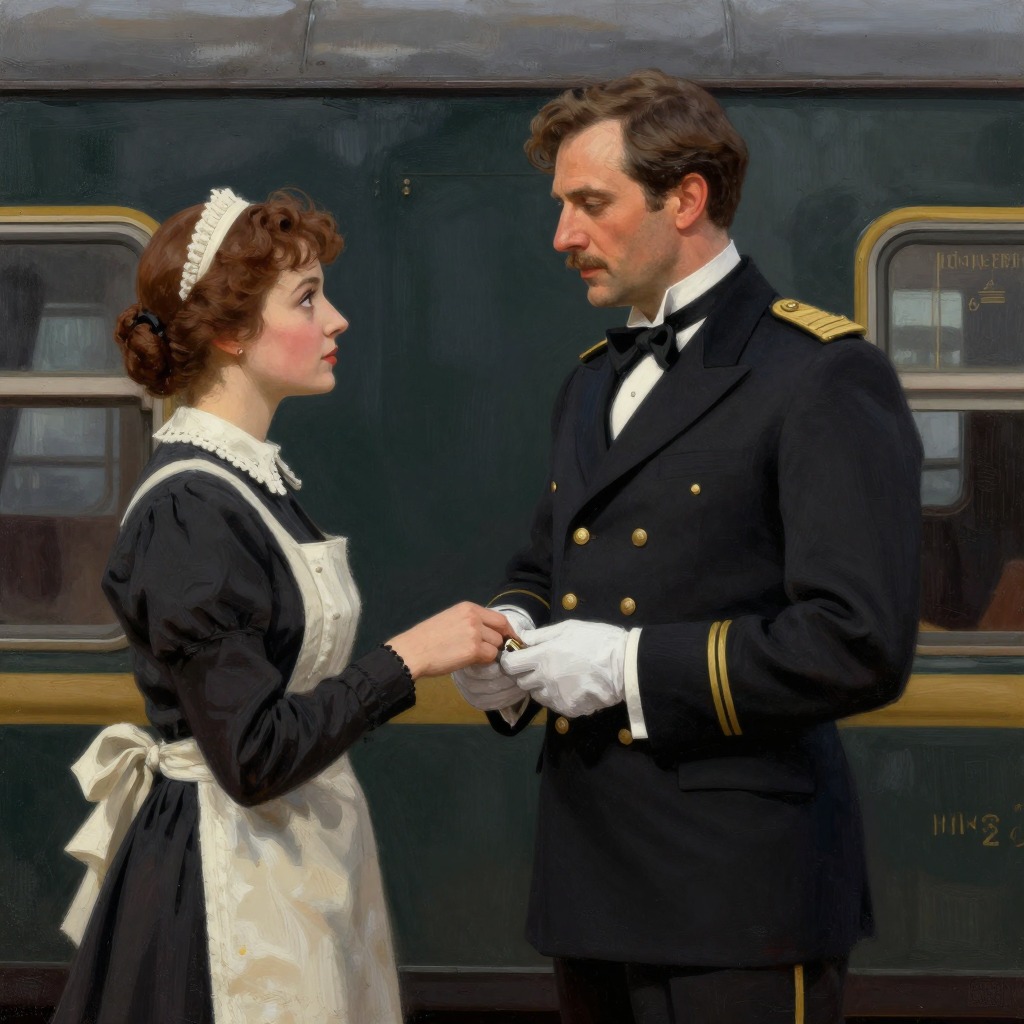
The conspiracy was meticulously organized over time. Hardman tracked Ratchett down. Masterman and MacQueen successfully entered Ratchett's employment as valet and secretary. Pierre Michel, working on the Orient Express, provided the opportunity to stage the murder on the train. The conspirators intended to book every compartment in the Stamboul-Calais coach, but one was reserved for a director of the company, and at the last minute Hercule Poirot took that berth. The plan was designed to look like an outside job: a mythical "small dark man with a womanish voice" in Wagon Lit uniform would be seen, and the uniform would be found discarded. The snowdrift that stopped the train forced them to improvise, but they proceeded with the execution anyway. Each of the twelve conspirators entered Ratchett's darkened compartment through the communicating door from Mrs. Hubbard's compartment and stabbed him once, so that no one knew which blow actually killed him. The twelve stab wounds corresponded to the twelve members of the jury they constituted.
Concealment and Deception
The conspirators systematically lied during Poirot's investigation. They all denied any connection to the Armstrong family. They planted false clues: a pipe-cleaner to incriminate Colonel Arbuthnot, and a handkerchief with the initial H to incriminate Princess Dragomiroff. They staged a woman in a scarlet kimono to confuse the trail. MacQueen called attention to the fact that Ratchett could not speak French, to make Poirot believe that the voice he heard at 12:37 AM was the murderer, not Ratchett. The watch in Ratchett's pocket was dented and set to 1:15 to mislead about the time of death. The threatening letters were artificial, written only to be produced as evidence. The entire structure of evidence was a carefully planned jigsaw puzzle, arranged so that every new piece of knowledge made the solution more difficult.
Revelation and Resolution
Poirot eventually deduced the truth by recognizing that the assembly of passengers—representing all classes and nationalities—was too perfect to be coincidental. He realized that the only place such a group would naturally be collected was in an American household, and that each person must have played a role in the Armstrong drama. He concluded that the crime was a "perfect mosaic," with each person playing an allotted part. When confronted, Linda Arden, still in character as Mrs. Hubbard, confessed and took full responsibility, asking that the blame fall on her alone. Poirot then presented two solutions to M. Bouc and Dr. Constantine: the official one, blaming an outside assassin who escaped, and the true one, revealing the conspiracy. M. Bouc, as a director of the company, chose the first solution to present to the Jugo-Slavian police, and Dr. Constantine agreed. Poirot retired from the case, allowing the conspirators to go free.
Upon its publication, the novel received widespread critical acclaim. The Times Literary Supplement praised Christie's ability to make an improbable tale feel real, while The New York Times Book Review's Isaac Anderson commended the seemingly miraculous shrewdness of Poirot's deductions. The Guardian noted that the murder would have been a perfect crime had Poirot not overheard a crucial conversation before boarding. Later critics, such as Robert Barnard, hailed it as the best of Christie's railway stories, lauding its impeccable clues and clever use of Cyrillic script, though Raymond Chandler famously criticized the solution in his essay The Simple Art of Murder for its departure from realistic crime fiction. The novel's inspiration drew heavily from the real-life 1932 kidnapping and murder of Charles Lindbergh's son, incorporating elements such as a famous family, a ransom paid in vain, and a maid who committed suicide after interrogation. Christie's own experiences on the Orient Express—including a 1928 journey, a 1929 blizzard that stranded the train for six days, and a 1931 flood that halted her return from an archaeological dig—also shaped the setting and characters, with a fellow passenger, Mrs. Hilton, serving as the model for Mrs. Hubbard.