Count Andrenyi
Murder on the Orient ExpressCount Andrenyi, a handsome Hungarian diplomat of about thirty, travels on the Orient Express with his wife, Countess Andrenyi. He is a tall, well-built man with a fair moustache, dressed in well-cut English tweeds, and might be taken for an Englishman but for the length of his moustache and the line of his cheekbone. His compartment, No. 13, adjoins his wife's, No. 12, in the Stamboul-Calais coach. From the moment the murder of Samuel Edward Ratchett is discovered, the Count presents himself as a cooperative but guarded passenger, insisting that he and his wife know nothing and saw nothing, while secretly working to keep his wife's connection to the Armstrong family hidden.
Identity and Background
Count Andrenyi is a Hungarian nobleman who served as an attaché in Washington, D.C., for a year. There he met and married Helena Goldenberg, the younger daughter of the celebrated actress Linda Arden and the sister of Sonia Armstrong. Helena was little more than a child when the Armstrong kidnapping tragedy occurred—her niece Daisy Armstrong was murdered, her sister died in childbirth after the shock, and her brother-in-law Colonel Armstrong shot himself. The Count, knowing that his wife's family history would make her an immediate suspect if Ratchett's true identity as Cassetti were revealed, takes extraordinary steps to conceal her maiden name and her past. On the train, he alters her Christian name on the Hungarian diplomatic passport from "Helena" to "Elena" by covering the initial H with a grease spot, and he lies to Poirot about her sister's whereabouts, claiming she married an Englishman whose name he cannot remember.
Role in the Conspiracy
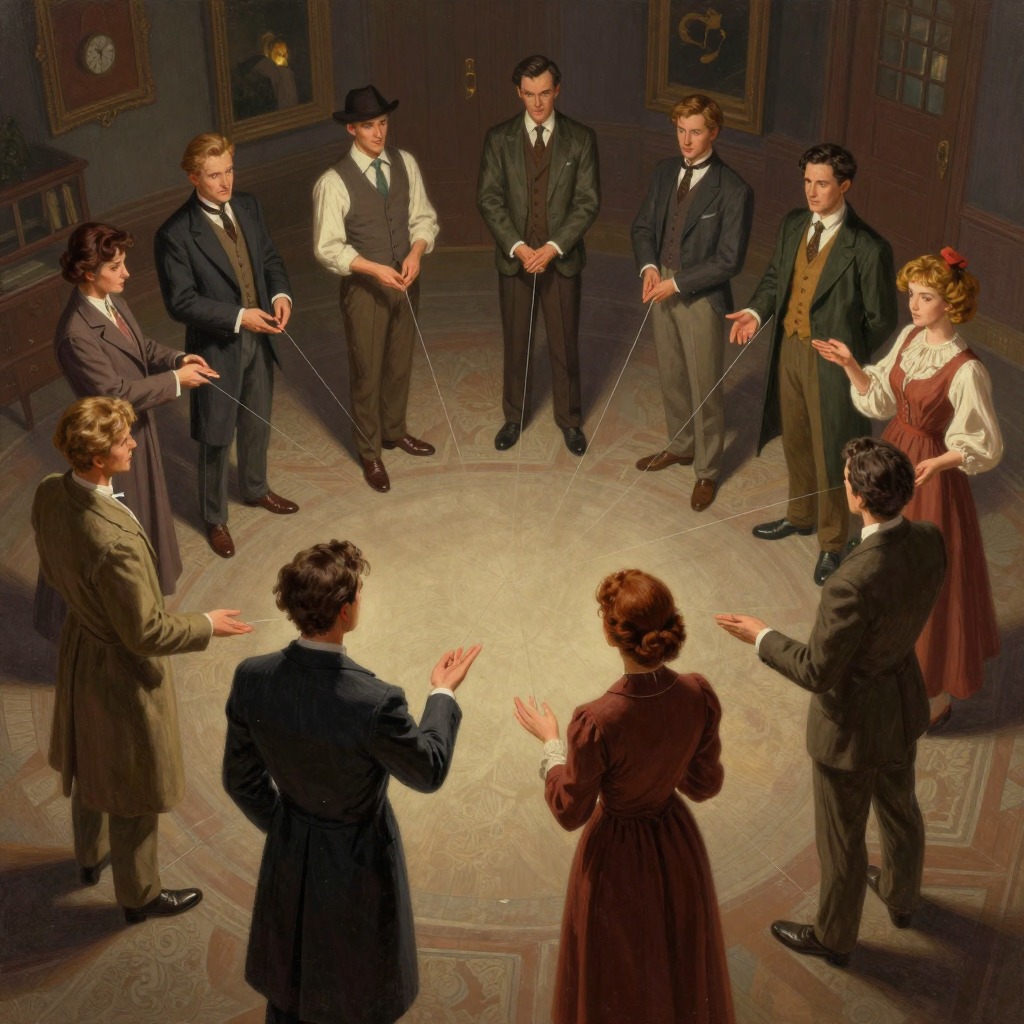
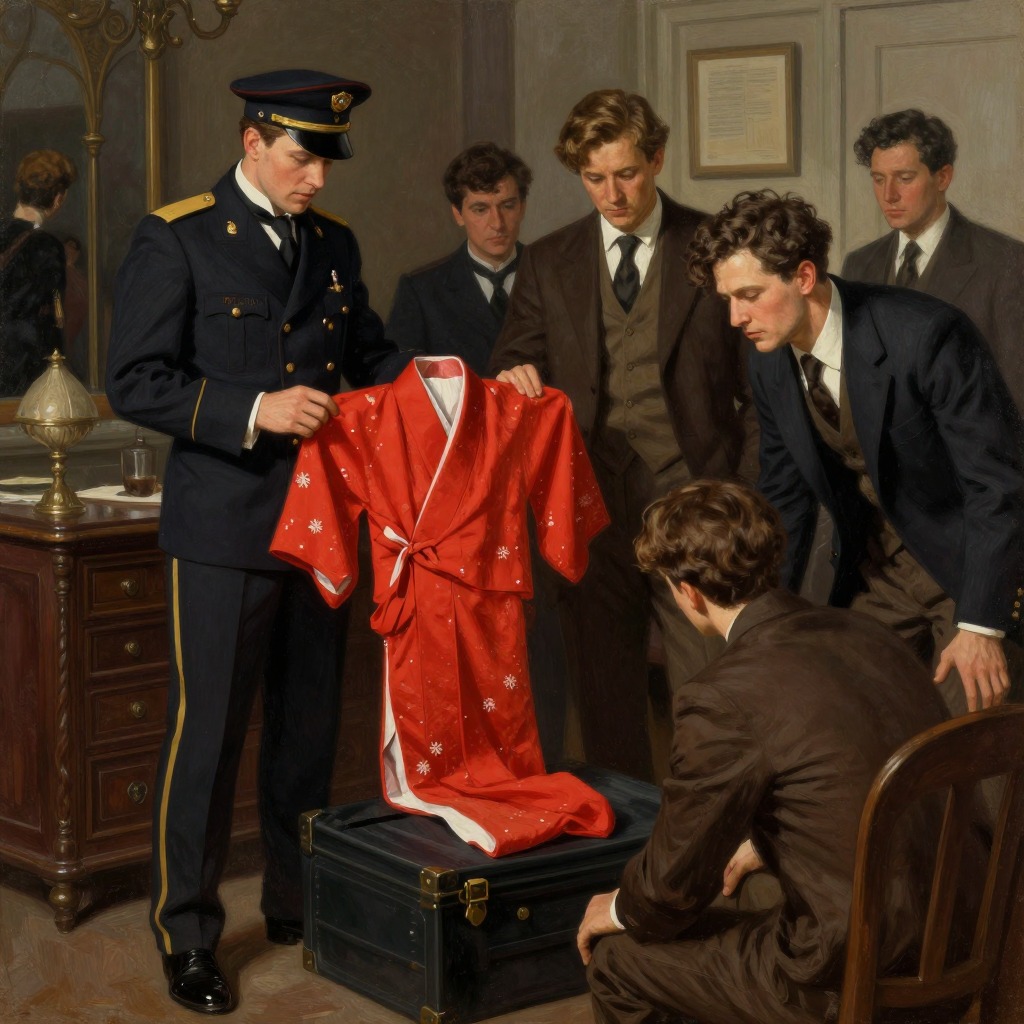
Count Andrenyi is one of the twelve self-appointed executioners who have conspired to kill Ratchett for the murder of Daisy Armstrong. The plan, devised by the Armstrong household and friends, calls for each of the twelve to stab Ratchett once in his darkened compartment. The Count takes his wife's place among the twelve, entering Ratchett's compartment through the communicating door from Mrs. Hubbard's compartment and delivering his blow. He is present during the hasty consultation after the train becomes snowbound, when the conspirators realize they cannot make the crime look like an outside job. He participates in the decision to proceed anyway, and he helps plant false clues—the handkerchief and the pipe-cleaner—to confuse the investigation.
Key Actions and Objectives
The Count's primary objective throughout the investigation is to protect his wife from suspicion. When Poirot first interviews the Countess, the Count tries to prevent her from being questioned at all, insisting that she can tell nothing more than he has. He gives way only grudgingly when Poirot insists on a "mere formality." Later, when Poirot confronts the Countess with the handkerchief marked with an H, the Count intervenes furiously, demanding by what right Poirot questions them. He swears on his word of honor that his wife never left her compartment that night—a statement that is technically true, since he took her place. He admits to altering the passport, explaining that he did so to spare his wife the ordeal of a police investigation, and he lies about her connection to the Armstrong family with a passion that almost convinces Poirot.
Relationships and Conflict
Count Andrenyi's relationship with his wife is one of devoted protection. He adores her and is willing to lie, alter documents, and even commit murder to shield her. His conflict with Poirot is a battle of wits: the Count tries to maintain a facade of aristocratic cooperation while concealing the truth, but Poirot gradually uncovers the layers of deception. The Count also interacts with the other conspirators, though the narrative does not detail their communications. He is part of the group that includes his mother-in-law Linda Arden (disguised as Mrs. Hubbard), Colonel Arbuthnot, Hector MacQueen, and the others, all bound by their shared grief and their determination to carry out what they see as justice.
Change and Ending
When Poirot finally reveals the truth—that the Countess is Helena Goldenberg and that the Count took her place in the murder—the Count's composure cracks. He goes deadly white, but his wife intervenes, speaking in her true American voice and admitting her identity. The Count is silenced by her gesture. In the end, M. Bouc and Dr. Constantine accept Poirot's first, false solution—that the murder was committed by an outsider who left the train—and the Count and his wife are allowed to go free. The Count's lies, his alteration of the passport, and his participation in the killing are all covered up by the official decision to present the simpler explanation to the police.
Narrative Role and Significance
Count Andrenyi serves as a key figure in the novel's exploration of loyalty, justice, and the limits of the law. His willingness to commit murder and to lie repeatedly for his wife demonstrates the power of personal bonds over legal obligation. He is also a red herring: his aristocratic bearing and diplomatic status initially make him seem above suspicion, and his lies about his wife's identity are so convincing that they nearly succeed. His role in the conspiracy underscores the novel's central theme: that when the legal system fails to deliver justice, ordinary people may take the law into their own hands, and that such vigilante justice can be both morally complex and narratively satisfying.