Countess Andrenyi
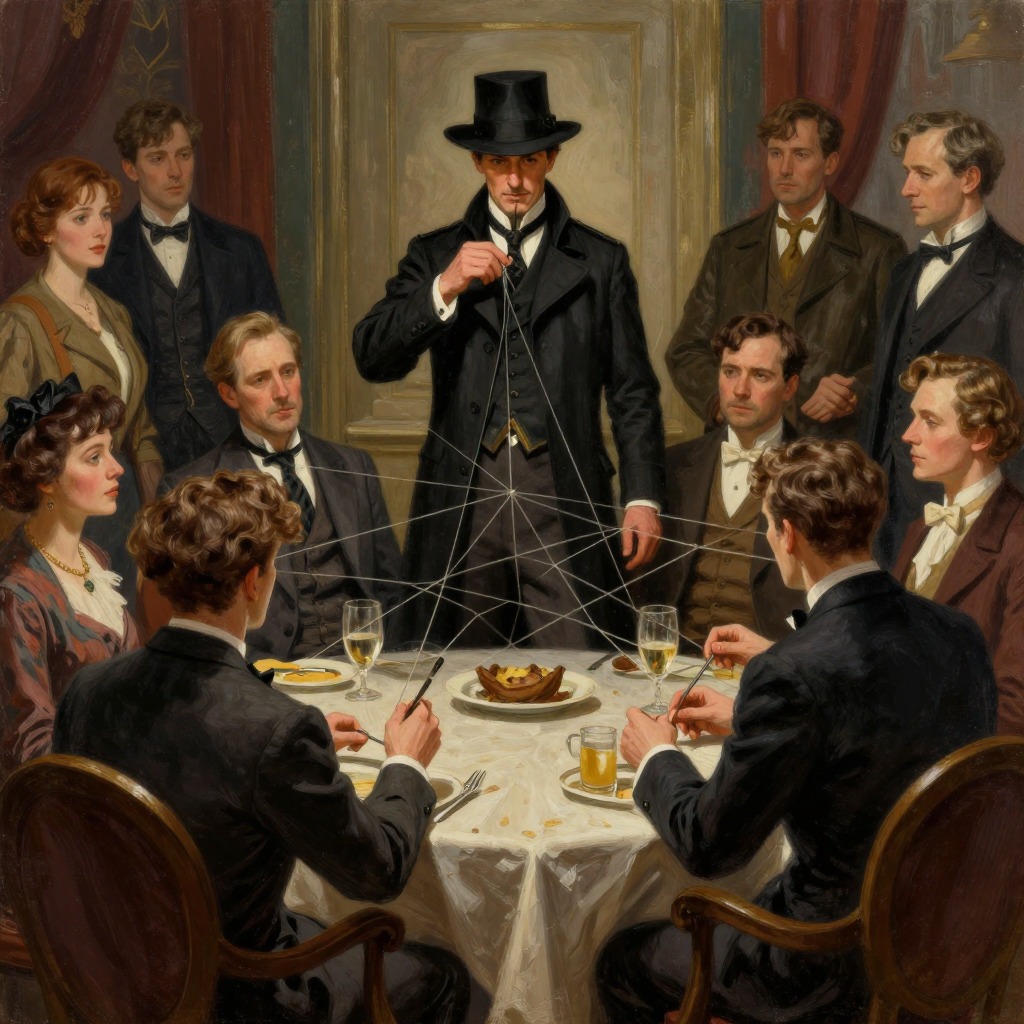
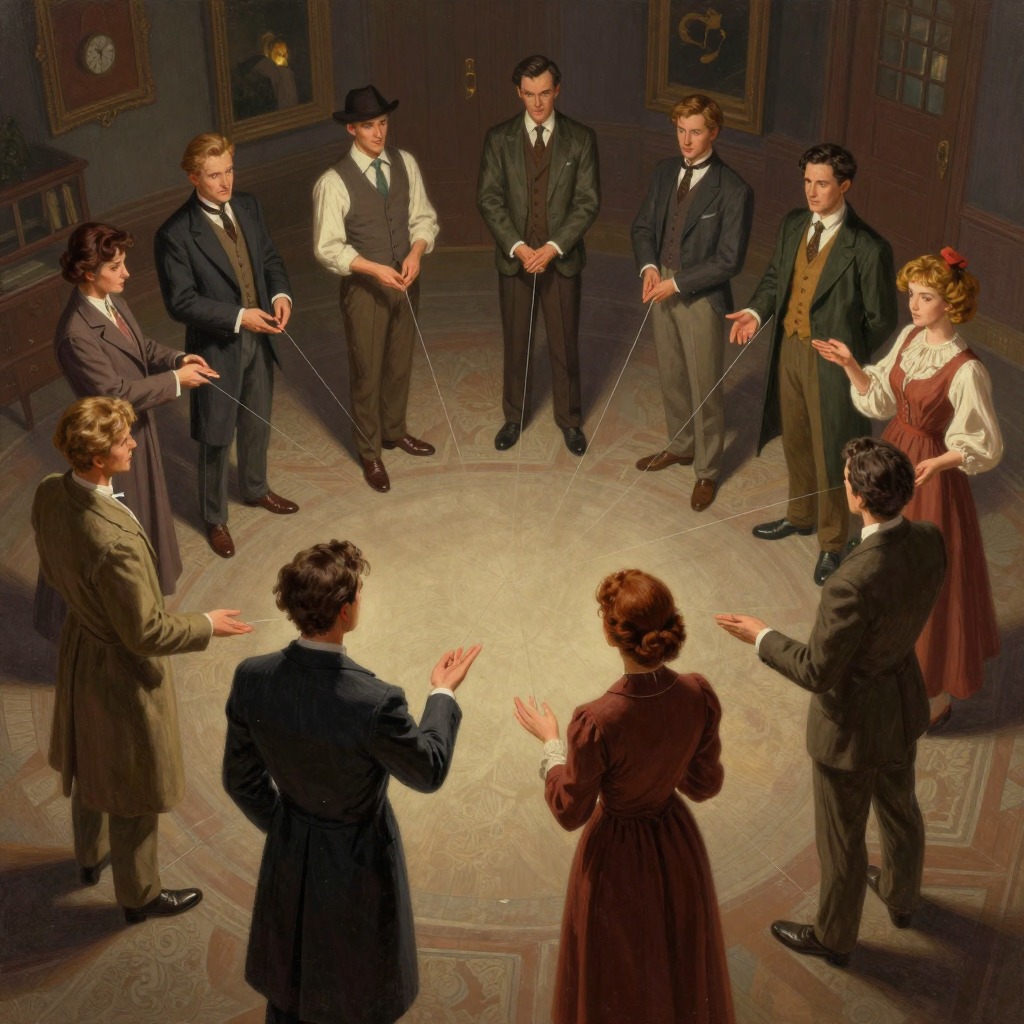
Murder on the Orient ExpressCountess Andrenyi, born Helena Goldenberg, is the younger sister of Sonia Armstrong and the daughter of the celebrated actress Linda Arden. Her presence on the Orient Express is part of a carefully orchestrated plot by twelve individuals connected to the Armstrong family to execute Samuel Ratchett, the man who murdered her niece, Daisy Armstrong. She is the only member of the conspiracy who does not physically participate in the stabbing, protected by her husband who takes her place, and her identity is initially concealed through a forged passport and a false testimony.
Identity and Background
Countess Andrenyi is introduced as a beautiful young woman of about twenty, with a "foreign-looking face, dead white skin, large brown eyes, jet black hair" and a fashionable, coquettish manner. She is married to Count Andrenyi, a Hungarian diplomat, and they have been married for only a year. She is first seen in the dining car of the Orient Express, smoking a cigarette in a long holder and wearing a large emerald set in platinum. Her true identity, however, is Helena Goldenberg, the younger daughter of the great tragic actress Linda Arden and the sister of Sonia Armstrong. She was a young girl at the time of the Armstrong tragedy, which saw the kidnapping and murder of her niece, Daisy Armstrong, the subsequent death of her sister in childbirth, and the suicide of her brother-in-law, Colonel Armstrong. This devastating loss forms the core of her motive for joining the conspiracy against Ratchett.
Concealment and Deception
Countess Andrenyi actively conceals her connection to the Armstrong family. When first interviewed by Hercule Poirot, she claims her maiden name is Elena Maria Goldenberg and that she has never been to America. Her husband, Count Andrenyi, supports this deception, insisting that his wife took a sleeping draught and never left their compartment. The most significant piece of evidence against her is a handkerchief embroidered with the initial 'H' found in Ratchett's compartment. To further obscure her identity, a grease spot has been deliberately placed over the 'H' on her passport, altering her Christian name from 'Helena' to 'Elena'. Poirot deduces this ruse, noting that a luggage label on her case has been soaked off and repositioned to hide the initial. When confronted, the Countess admits the truth: she is Helena Goldenberg, and she altered the passport out of fear of being suspected due to her connection to the Armstrong case.
Role in the Conspiracy
Despite her powerful motive, Countess Andrenyi is the only member of the twelve-person conspiracy who does not physically stab Ratchett. Her husband, Count Andrenyi, takes her place in the execution, ensuring she has a perfect alibi. Poirot is convinced of her innocence in the actual stabbing, impressed by the Count's solemn oath that his wife never left their compartment. Her role is instead one of presence and potential suspicion; she is the person whose connection to the Armstrong family is most obvious and who would be the first suspect. The conspiracy uses her as a decoy, with the handkerchief planted to incriminate her, knowing that her husband's fierce protection and her own fragile appearance would create a powerful distraction. The scarlet kimono, which is used to create the illusion of a mysterious woman on the train, is suspected to be her property, as her luggage contains only a chiffon negligee, suggesting the kimono was borrowed for the plot.
Thematic Significance
Countess Andrenyi embodies the theme of inherited trauma and the lengths to which love and loyalty can drive a person. She is the living link to the Armstrong tragedy, a young woman whose life was shattered by a crime she did not commit. Her decision to participate in the conspiracy, even passively, demonstrates how collective grief can transform into a shared, premeditated act of vengeance. Her character also highlights the tension between justice and the law; she is willing to lie and deceive to see a man she believes is guilty punished, even if it means subverting the legal system. Ultimately, her story is one of survival and protection, as her husband and the other conspirators shield her from the most direct act of violence, allowing her to emerge from the ordeal with her hands clean, but her conscience forever marked by the events on the Orient Express.