Daisy Armstrong
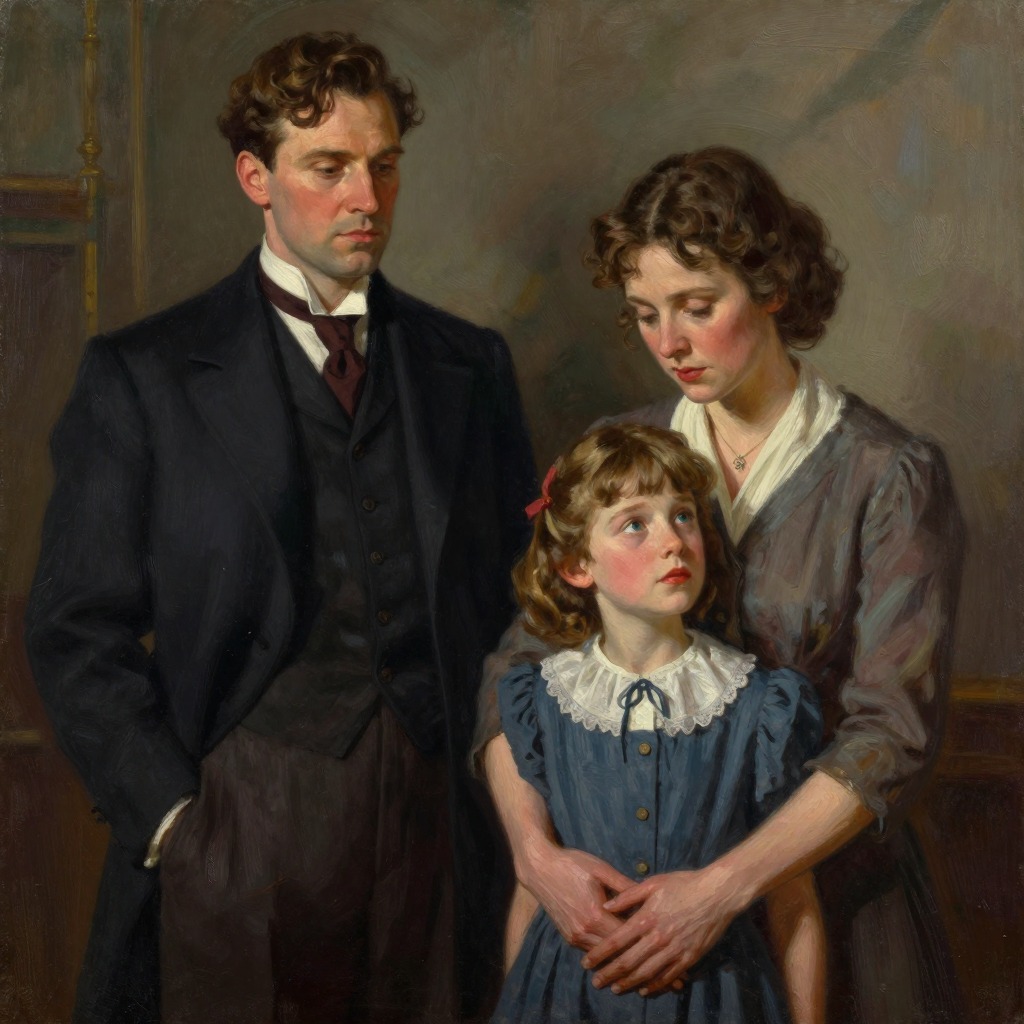
Murder on the Orient ExpressDaisy Armstrong was the three-year-old daughter of Colonel John Armstrong, a decorated British officer and V.C., and his wife Sonia Armstrong, the daughter of the celebrated American actress Linda Arden. She was the adored only child of a wealthy and prominent family, living in New York. Her kidnapping and murder by the gang led by Cassetti—the man who later travelled under the alias Samuel Edward Ratchett—became the catalyst for one of the most notorious tragedies in American crime history and the central motive for the elaborate conspiracy that unfolds on the Orient Express.
Identity and Background
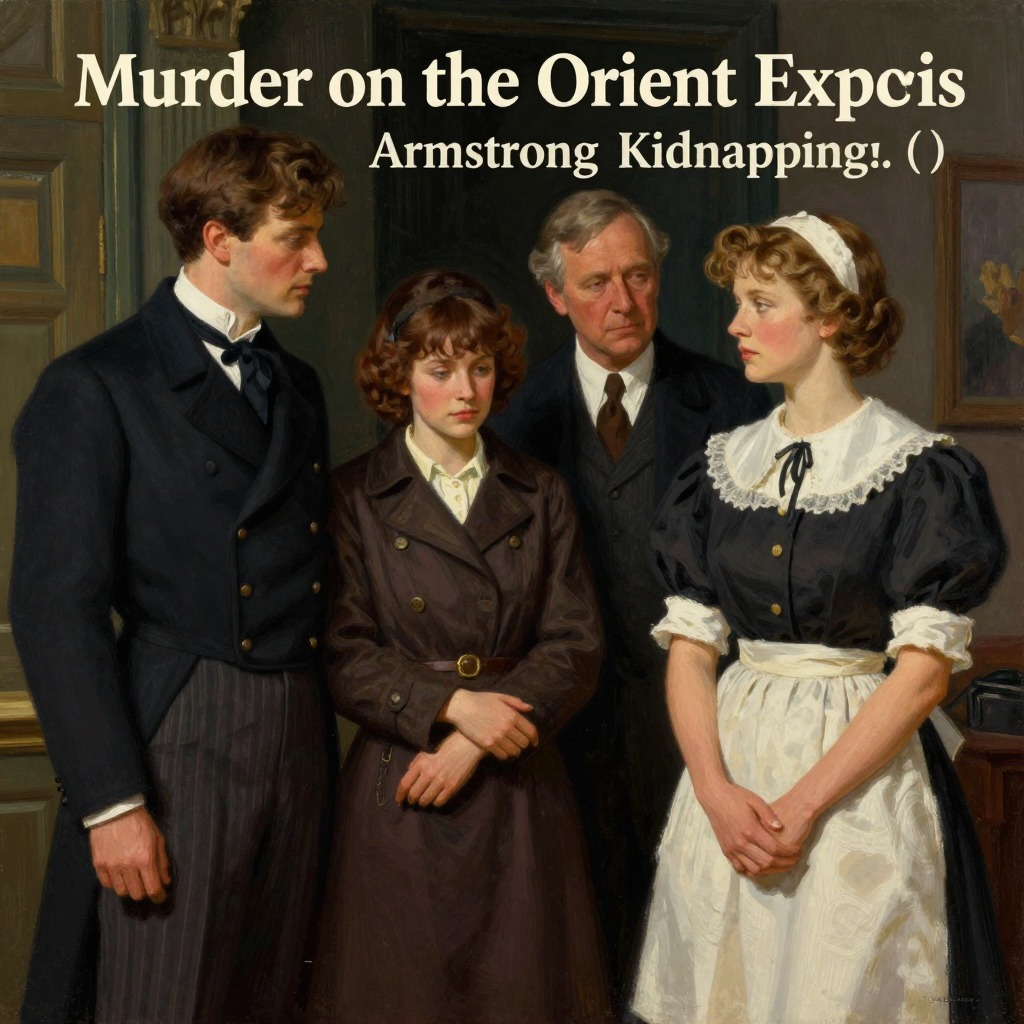
Daisy Armstrong was the beloved centre of a large, devoted household in New York. Her father, Colonel Armstrong, was half-American, his mother having been a daughter of the Wall Street millionaire W. K. Van der Halt. Her mother, Sonia Armstrong, was the daughter of Linda Arden, the most famous tragic American actress of her day. The household included a variety of devoted servants and staff: an Italian chauffeur, Antonio Foscarelli, whom Daisy called "Tonio" and who let her sit in the car and pretend to hold the wheel; an English governess, Mary Debenham; a Swedish nurse, Greta Ohlsson; a French nursery-maid, Susanne; and a trained hospital nurse named Stengelberg. Daisy was described by those who knew her as "so sweet—so happy—she had such lovely curls" and "a little sweet trustful angel." Everyone in the house worshipped her.
The Kidnapping and Murder
When Daisy was three years old, she was kidnapped by a criminal gang. The kidnappers demanded an impossibly high sum for her return. The parents, Colonel and Mrs. Armstrong, paid over the enormous sum of two hundred thousand dollars. Despite the payment, the child's dead body was discovered; it had been dead for at least a fortnight. The public indignation rose to fever point. The shock of the discovery caused Mrs. Armstrong, who was expecting another baby, to give birth prematurely to a dead child; she herself died. Her broken-hearted husband shot himself. The tragedy did not end there. The French nursery-maid, Susanne, was suspected by the police of having some knowledge of the crime. Despite her hysterical denials, the police refused to believe her. In a fit of despair, she threw herself from a window and was killed. It was proved afterwards that she had been absolutely innocent of any complicity in the crime.
The Aftermath and the Conspiracy
About six months after the kidnapping, Cassetti was arrested as the head of the gang. He had used the same methods in the past: if the police seemed likely to get on their trail, they killed their prisoner, hid the body, and continued to extract money. However, by means of his enormous wealth and the secret hold he had over various persons, Cassetti was acquitted on a technical inaccuracy. He would have been lynched by the populace had he not been clever enough to escape. He changed his name to Samuel Edward Ratchett and left America, travelling abroad as a gentleman of leisure. The surviving members of the Armstrong household and their close associates—twelve people in total—formed a self-appointed jury and decided to carry out the death sentence that the law had failed to deliver. They tracked Ratchett down and arranged to be on the same train, the Orient Express, where each of them would stab him, ensuring that the collective act of vengeance would be carried out. Linda Arden, Mrs. Armstrong's mother, later explained that the decision was made on the terrible day in New York, when she was "just crazy with grief" and the servants were the same. The plan was to ensure that Cassetti, who had escaped justice, would finally face the consequences of his crime.
Thematic Significance
Daisy Armstrong's brief life and brutal death serve as the moral and emotional core of the novel. She is the innocent victim whose suffering justifies, in the eyes of the conspirators, the extra-legal execution of her murderer. Her name, appearing on the charred fragment of a letter found in Ratchett's compartment, provides Poirot with the crucial clue that unlocks the identity of the victim and the motive for the crime. The tragedy of the Armstrong family—the deaths of the child, her mother, her father, and the unborn baby, as well as the suicide of the innocent nursemaid—creates a collective trauma that binds the twelve conspirators together. Daisy's story transforms the murder on the train from a simple whodunit into a profound examination of justice, vengeance, and the limits of the law.