Susanne
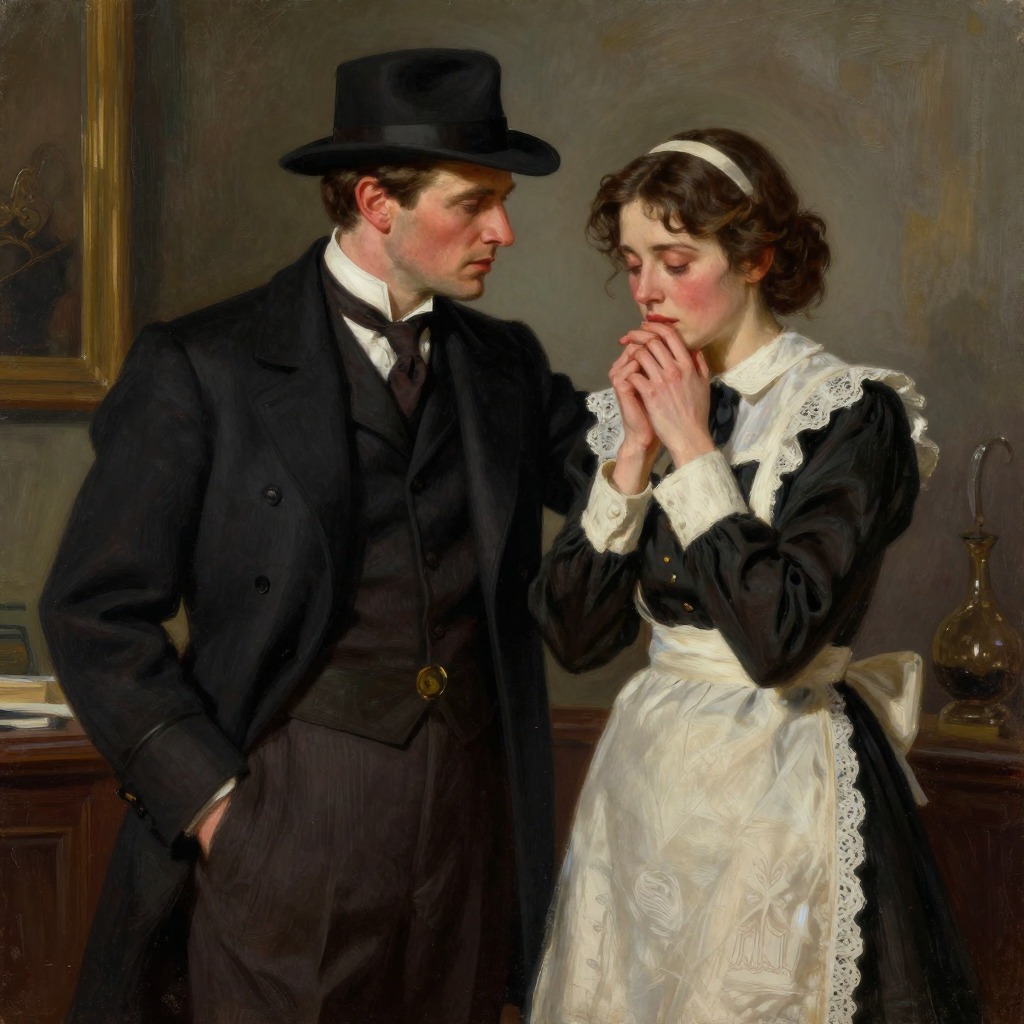
Murder on the Orient ExpressSusanne was the young French nursery-maid employed in the Armstrong household, devoted to little Daisy Armstrong. She was a pretty, laughing girl who looked after Daisy's clothes and acted as a lady's-maid to the younger sister, Helena Goldenberg. Her warm, affectionate nature made her a beloved member of the household staff, and she was deeply attached to the child she helped care for.
The Armstrong Kidnapping and Susanne's Fate
When three-year-old Daisy Armstrong was kidnapped, the police quickly focused their suspicions on Susanne. They were convinced that she had some knowledge of the crime, believing she must have innocently chatted with someone and given information about the timing of Daisy's outings. Despite her hysterical denials of any involvement, the authorities refused to believe her. The relentless pressure and the feeling that she was being held responsible for the tragedy proved too much for the young woman. In a fit of despair, she threw herself from a window and was killed. It was proved afterwards that she had been absolutely innocent of any complicity in the crime. Her death added another layer of tragedy to the already devastated Armstrong family, leaving her father, Pierre Michel, bereft of his only child.
The Catalyst for Revenge
Susanne's suicide was not merely a footnote to the Armstrong tragedy; it was the spark that ignited the elaborate conspiracy of vengeance. Her father, Pierre Michel, a Wagon Lit conductor for the Compagnie Internationale des Wagons Lits, was willing to participate in the plot because Susanne had been his only child. The American detective Cyrus Hardman, who had fallen in love with Susanne, was also drawn into the conspiracy. When Poirot later spoke to him of the charm of foreign women, sudden tears came into Hardman's eyes, which he pretended were dazzled by the snow, revealing the depth of his personal grief. The other conspirators, including Linda Arden, Mary Debenham, and Colonel Arbuthnot, decided that the sentence of death that Cassetti had escaped had to be carried out, and Susanne's fate was a constant, unspoken justification for their actions.
Narrative Role and Significance
Susanne never appears as a living character in the novel; her entire existence is conveyed through the memories and testimonies of others. Yet she is arguably the most important absent figure in the story. Her death serves as the primary emotional and moral justification for the collective murder of Ratchett. It transforms the crime from a simple act of revenge into a complex act of retributive justice, binding together a disparate group of people from different classes and nationalities. The fact that her father, Pierre Michel, was the conductor on the very train where the murder was staged demonstrates the meticulous planning and the deeply personal nature of the conspiracy. Susanne's story is the hidden wound that drives the entire plot, making her a silent but powerful presence throughout the investigation.