Shifter pregnancy
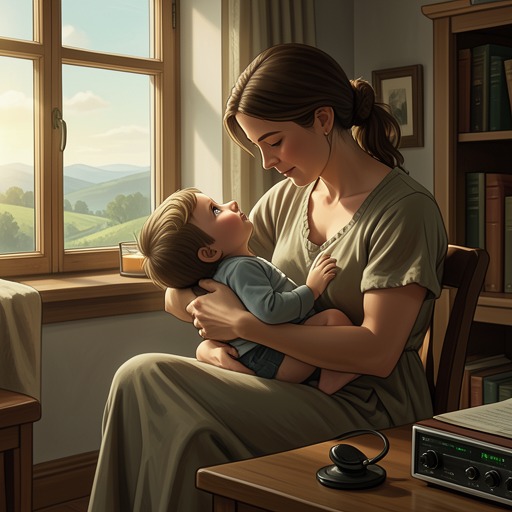
My Dark Mate: A Rejected Mate Werewolf Shifter RomanceShifter pregnancy is a six-month reproductive state whose effects shape both Ren’s body and the emotional direction of the story. It is not treated as a simple confirmation of romance or a passive condition: pregnancy brings nausea, exhaustion, abrupt hormonal changes, fear rooted in an earlier loss, and renewed questions about whether Ren can trust Caleb’s love. At the same time, it gives Caleb a concrete reason to return to her and care for her, turning an intimate secret into a force that reorganizes their relationship.
Discovery and Immediate Significance
Shifter pregnancy is first confirmed when Caleb secretly enters the Pack clinic and searches Dr. Triss’s patient records. He does not find Ren under the Chase name, but under Sheppard, and corrects the surname before reading the file. The written diagnosis, “Pregnant,” produces a collision of joy, pride, fear, and panic. Caleb immediately imagines Ren carrying his child, but his happiness is inseparable from alarm because Ren is not with him; she is staying with Trey. The discovery therefore changes pregnancy from an unseen bodily condition into a direct challenge to Caleb’s passivity. He decides that, despite his fear and self-reproach, he is going to take his mate back for good.
Ren’s response is more divided. She misses Caleb intensely and feels isolated, yet the pregnancy also makes her happy and excited. Her happiness is repeatedly interrupted by terror because she has already lost a baby. The earlier loss occurred while Shane held her in the bedroom of the trailer and nearly starved her for a week; the bleeding that followed became a traumatic memory shared by Ren and her wolf. Pregnancy consequently carries two meanings at once: it is the child Ren wants, and a reminder of the child she could not save. Her inner resistance is not rejection of motherhood but an attempt to protect herself from reliving that loss.
Physical Experience and Biology
The physical experience of shifter pregnancy is presented through concrete disruption rather than abstract description. Ren vomits so violently that she projectile-vomits on Trey, whose own reaction triggers further vomiting from both of them. She then passes out and sleeps for an hour, a condition Dr. Triss assures her is normal for pregnant shifters. Ren contrasts this exhaustion with her first pregnancy, when work and fatigue prevented her from sleeping even when she wanted to, although she admits that her memory and judgment at the time were clouded by exhaustion.
The pregnancy also produces rapid shifts in appetite and mood. Ren can be hungry while food makes her stomach roil, then suddenly find herself able to eat an overcooked, garlic-heavy pasta dish prepared by Trey. She moves between irritability and happiness so quickly that Caleb locks away the guns after Ren tries to shoot him once. The episode is comic in presentation but still establishes that her bodily state affects the safety and routines of everyone around her. Pregnancy changes the household from a place organized around ordinary meals and conversation into an environment requiring supervision, patience, and practical adjustment.
Shifter biology provides some protection that human pregnancy does not. Ren explains that pregnant shifter females can drink and perform many activities without automatically endangering the baby because their animal genetics protect the pregnancy. Even with that protection, she chooses not to drink the wine Trey pours for her, preferring not to take a risk. The contrast between what her biology permits and what she personally accepts emphasizes that the pregnancy is not governed by biology alone; Ren retains judgment and makes decisions about the level of danger she is willing to tolerate.
Hormones, Loss, and Bodily Memory
The pregnancy follows a wider pattern of reproductive distress in Ren’s life. Before this pregnancy, menstruation caused severe pain, feverish sensations, and overwhelming bodily need. Her own inner voice links those recurring symptoms to the previous miscarriage, arguing that the loss made her body more determined to breed. The novel therefore connects menstruation, reproductive heat, pain, sexual urgency, and pregnancy as different manifestations of a body that Ren experiences as powerful but not always obedient.
That tension becomes especially sharp in her encounters with Caleb. During one episode of illness and intense need, Caleb tries to care for her in the shower, where warmth eases some of the chills and pain. The scene moves toward sex until Ren asks him to fill her and make her whole; the wording abruptly triggers Caleb’s panic because it recalls another woman’s earlier demand and the emotional damage attached to it. Later, when Ren bites Caleb, she explains through tears that she loves him, that she could no longer restrain her wolf, and that her wolf knows they are fated. These moments show how reproductive and animal instincts can force hidden truths to the surface, but they also reveal the danger of interpreting bodily urgency as sufficient proof of emotional security.
Care, Dependence, and Relationship Change
Caleb’s discovery of the pregnancy changes his behavior from distance to active protection. He has already recognized that he hurt Ren emotionally, and when she lies unconscious after being attacked, he remains at her bedside, watching her fight for her life. He understands that she is small, has not shifted for a long time, is not as strong as many shifters, and may not believe she has enough to live for. In this context, pregnancy intensifies his sense of responsibility: the person he loves is vulnerable, and the child gives the future a physical presence he can no longer ignore.
Ren’s care is distributed between Caleb, Trey, Dr. Triss, and Mandy. Trey feeds her and cleans up after the vomiting, even when Ren refuses to help after passing out. Dr. Triss supplies the medical reassurance that her exhaustion is normal. Mandy, who has experienced pregnancy with a shifter child, helps Ren manage intense hormonal surges and the unusual demands of the six-month gestation. The support network matters because Ren’s pregnancy is not made manageable by romance alone. It requires practical labor, knowledge from another pregnant shifter, and people willing to remain present through unpleasant and frightening symptoms.
The pregnancy also helps restore Ren’s social life. While Caleb works with Cole, Ren has free time to spend with Mandy, whom she identifies as a new female friend. Mandy’s companionship gives Ren an identity beyond Caleb’s mate and beyond a patient or expectant mother. Yet the relationship remains shaped by Caleb’s protectiveness: he locks away the guns, laughs with her, and later leads her through a gathering where Cole, Trey, and the Sheppard brothers are waiting. Pregnancy places Ren at the center of a broader family structure, but it does not erase her need for friendship or her capacity to make sharp, independent judgments.
Gestation and Future Family
The six-month gestation makes pregnancy comparatively compressed but physically intense. Ren describes the transformation as waking up with a body that seems to have changed overnight, as though a beach ball had been forced down her throat. She eats heavily, experiences abrupt emotional changes, and finds that the process is far from easy despite the shorter timetable. Her comparison with human pregnancy frames shifter biology as both advantageous and demanding: the pregnancy is protected in some ways, yet the rapid physical change leaves little time for gradual adaptation.
Ren’s fear gradually makes room for chosen hope. She imagines a little boy who looks like Caleb and finds the thought of a grumpy, growling, surly child so endearing that she laughs through happy tears. The image is important because it is not merely a biological projection; it is Ren imagining Caleb as a father and imagining herself surviving long enough to meet the child. When she says that she wants the baby, the desire is clear even though terror remains beside it. Pregnancy thus becomes a site where grief and expectation coexist rather than cancel one another.
The anticipated child also alters how Ren evaluates Caleb’s love. After losing her first baby, she refuses the idea of having children with a man who does not love her. Her grandmother, speaking from beyond death, insists that Caleb does love her and tells Ren that she still needs to live and have children. The exchange turns motherhood from an external expectation into a question of relational trust. Ren cannot simply be instructed to reproduce; she needs assurance that the relationship surrounding the child is loving and durable.
Narrative and Thematic Significance
Shifter pregnancy functions as both a bodily state and a narrative hinge. It exposes Caleb’s feelings when he reads the clinic file, forces him to abandon emotional withdrawal, and gives Ren a future that competes with the fatalism created by her earlier loss. The state also makes intimacy materially consequential: sex, mating, pregnancy, care, and family recognition are woven together, so that private desire repeatedly produces public and emotional consequences.
The portrayal is marked by a tension between bodily autonomy and biological compulsion. Ren’s wolf knows, reacts, and sometimes overwhelms conscious restraint; other characters interpret the pregnancy through mating bonds, heredity, and family duty. Yet Ren continues to voice fear, choose whether to drink, demand love before accepting motherhood, and decide how to imagine the child. The pregnancy therefore does not reduce her to reproduction, even though the surrounding supernatural culture places enormous weight on fertility and fated partnership.
By the later family gathering, the pregnancy has moved from secret diagnosis to shared celebration. Ren dances until her feet swell, observes Mandy with Walker and Mandy’s energetic two-year-old son Remy, and feels grateful that Caleb will father her unborn child. Her response to Remy’s wildness is humorous but revealing: she understands that parenthood will demand more than romantic fulfillment. The unborn baby becomes the clearest sign that Ren and Caleb’s reconciliation has consequences beyond themselves, while Ren’s fear of repeating the past remains part of the emotional truth rather than a problem the story simply erases.