Leonards Obdachlosigkeit
My Hot Secret: Geheimes Baby mit dem CEO Milliardär - Enemies to Lovers (German Edition)Leonards Obdachlosigkeit is presented as a material consequence of choosing career over family and then losing the economic security that choice seemed to provide. When Ava encounters Leonard alone in a rainy park, his condition becomes more than a hardship belonging to another person: it becomes a possible image of her own future and a turning point in her understanding of work, love, and responsibility.
Condition and Background
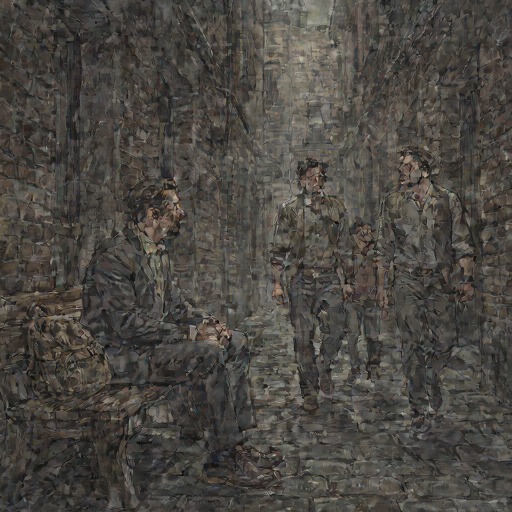
Leonard is found crouched beneath the trees on a covered park bench, wrapped in a thin coat as he tries to stay warm and dry. Ava recognizes him as the older man she had met earlier through Gabriel, and the recognition gives the scene an immediate history. He is not an anonymous homeless figure but someone whose story she already knows: he placed his career above his family, and when his money disappeared, his employment could no longer protect him from being left without support.
The narrative connects Leonard’s homelessness directly to the fragility of professional identity. Jobs do not last forever, and the financial resources Leonard had treated as security could vanish, leaving him isolated in a public place during bad weather. His situation exposes the false promise that work can substitute for family or guarantee permanent safety. The bench, the sparse coat, and the rain make that collapse visible without reducing it to an abstract financial failure.
Ava’s Encounter with Leonard
Ava meets Leonard while walking diagonally through the park toward her hotel. The park is unusually empty because the rain has driven away the dog walkers, runners, and families who would normally fill it. This absence isolates the two figures: Leonard is alone under the trees, while Ava is the only passerby who notices him closely enough to understand who he is.
The sight causes Ava’s chest to tighten as she recalls his history. Her grief becomes physical; tears run down her face before she can stop them, and she turns away, hurrying toward the hotel because she does not want Leonard to see her crying. Her fear is not simply pity for an unfortunate acquaintance. She is afraid of ending as he has ended—alone, exposed, and dependent on circumstances that can change without warning.
Effect on Ava’s Values
Leonard’s condition makes Ava reassess the principle that had organized her life. She realizes that work is all she has left because she deliberately pushed other people away and told herself that professional achievement mattered most. In the moment of recognizing Leonard, that belief loses its authority. Work may offer money and purpose, but it cannot provide the love and human attachment that Leonard’s absence reveals he lacks.
This recognition also intersects with Ava’s pregnancy. She had assumed that working hard would be enough to support her child financially, but Leonard’s example shows her what that calculation leaves out. She understands that material provision is not the same as love, and that a child needs more than the economic results of an isolated career. Leonard’s homelessness therefore becomes a warning about emotional as well as financial abandonment: the danger is not only losing money, but building a life in which there is no one left to stand beside a person when money fails.
The episode reverses Ava’s earlier confidence in work as refuge. Her professional drive had helped her endure conflict at Harvest Foods International, including John’s suspicion, his refusal to accept her explanations, and his insistence that she prove herself through harder work. Yet the park scene makes that endurance look incomplete. Work remains something Ava can do well, but it is no longer sufficient as the foundation of her identity or as a substitute for intimate life.
Recovery and Family Reconnection
Leonard’s homelessness does not remain his final condition. After becoming CEO, Ava returns to the park to look for him because the image of him curled on the bench in the rain continues to haunt her. At first Leonard refuses her assistance. His reluctance preserves his agency: he is not immediately transformed into a passive recipient of rescue, and Ava must approach him through recognition rather than simple charity.
Ava eventually tells Leonard about the death of her fiancé and explains that Leonard’s earlier words in the park helped her take the frightening leap into a relationship with Gabriel. This exchange changes the basis of their interaction. Ava is not merely saving Leonard; she is acknowledging that he had already helped her. His own painful history has entered her life as guidance, and her later help becomes a form of reciprocity.
Using the authority of her position at HFI, Ava helps Leonard secure a job as an accountant at a local delicatessen. The recommendation letter from the HFI chief executive carries substantial weight, showing how institutional status can be converted into practical assistance. She also helps trace his family. The search reveals that his son is a pilot and his daughter is a teacher in the city, giving concrete shape to the family Leonard had lost contact with.
Ending and Narrative Significance
Leonard’s eventual reappearance contrasts sharply with the rainy park encounter. He is now wearing new clothes and walking with a woman in her thirties and a small girl of about five. The woman is Rose, his daughter, and the child is his granddaughter. His broad smile and the family’s presence confirm that he has not merely found temporary shelter; he has begun repairing the relationships that his earlier choices damaged.
Rose tells Ava that Leonard has described how Ava helped them find one another, and she thanks her. Ava replies that Leonard took on the harder part by trying to make amends, while she was glad to help. The distinction matters: his recovery is not portrayed as Ava’s achievement alone. Her intervention creates an opening, but Leonard must accept work, seek his family, and confront the consequences of his past.
Leonard’s homelessness consequently functions as a counterexample and a moral mirror. His fall warns against confusing career success with lasting security, while his later reunion demonstrates that lost connections can still be pursued. For Ava, the movement from seeing Leonard alone in the rain to meeting him with Rose and his granddaughter marks a corresponding movement in her own life—from emotional isolation and work as her only comfort toward love, family, and the willingness to take risks for human connection.