
Silence, Secrecy, and Speech
My PolicemanThis flow traces silence as both a survival strategy under persecution and a barrier that prevents the characters from repairing what they have lost.
increasing Bearing strength in each event
 decreasing
Bearing strength in each eventdecreasingPatrick Writes in Secret
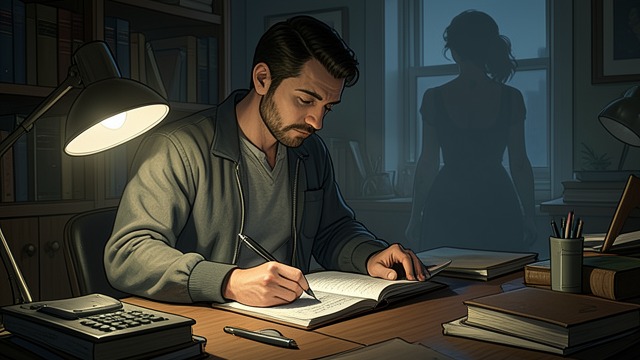
Patrick Writes in Secret
A private record
Patrick Hazlewood begins a journal about meeting Tom Burgess, knowing that writing down desire could expose him if discovered.
Words as proof
The diary makes an otherwise hidden love real to Patrick, while also creating evidence that later becomes dangerous.
Marion’s Unspoken Doubts
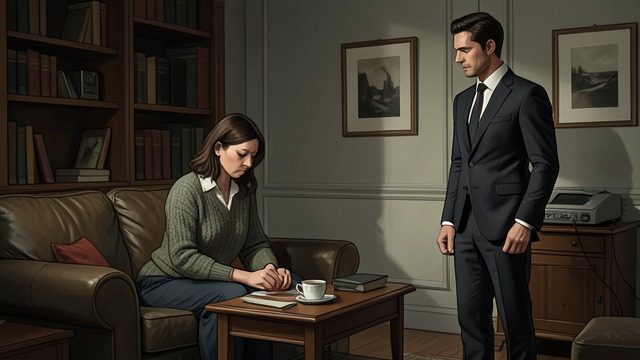
Marion’s Unspoken Doubts
Questions withheld
Marion Taylor senses that Tom Burgess’s relationship with Patrick Hazlewood exceeds friendship but repeatedly chooses not to ask what she fears.
Silence stabilises routine
Her restraint avoids immediate conflict, yet leaves the marriage unable to address its most important truth.
Prison’s Forced Speech
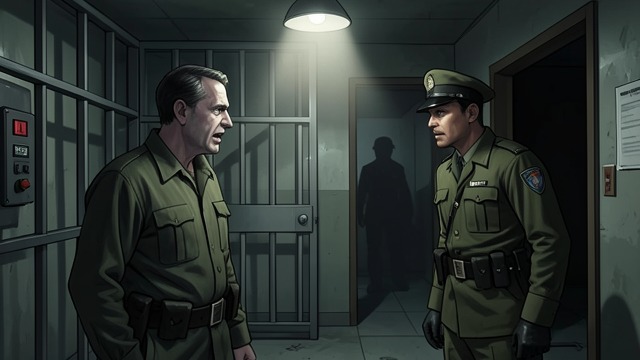
Prison’s Forced Speech
Words under surveillance
Patrick Hazlewood must navigate prison hierarchy, where even identifying himself openly can invite danger.
Refusal to conceal love
When he tells Bert that Tom Burgess loved him, Patrick speaks despite knowing that his words may bring violence.
The Disabled Listener
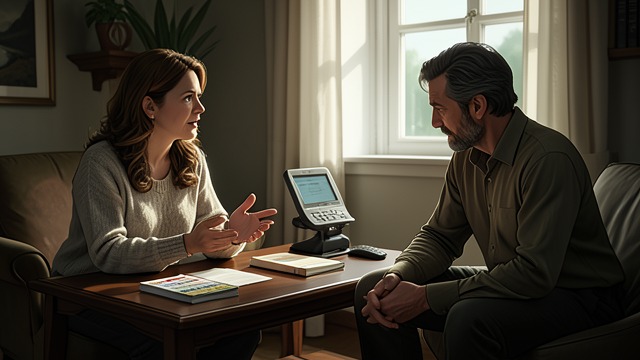
The Disabled Listener
Speech lost
After his strokes, Patrick Hazlewood cannot easily speak, and communicates with Marion Taylor through gestures and flashcards.
Hearing remains
Marion continues talking to him, turning speech into care even when she cannot know what he can answer.
Manuscript Read Aloud
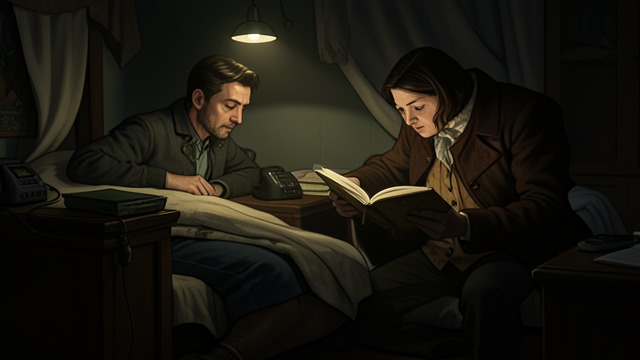
Manuscript Read Aloud
The story becomes audible
Tom Burgess reads Marion Taylor’s manuscript to Patrick Hazlewood, placing the history of all three lives into the room.
Speech without closure
The act breaks a long silence but does not erase imprisonment, betrayal, or separation; its significance lies in finally allowing the story to be heard.
September 1957
During the first year of Marion Taylor and Tom Burgess’s marriage
February 1959
Autumn 1999
December 1999
