Marion’s manuscript for Tom to read aloud
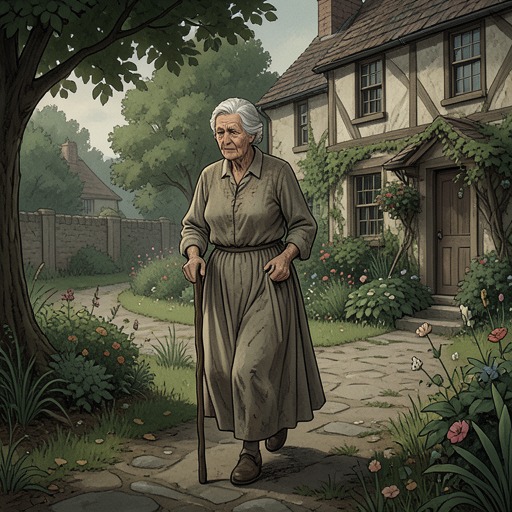
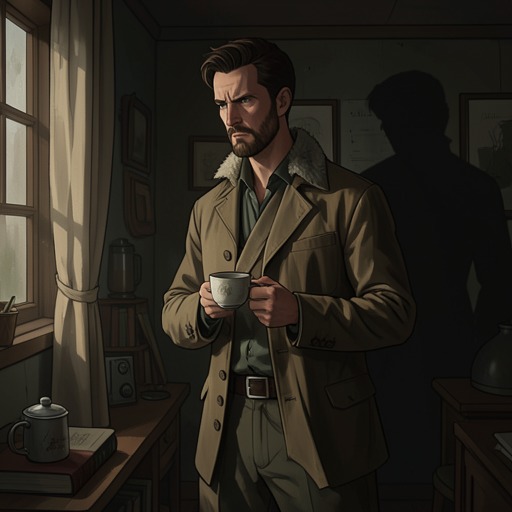
My PolicemanMarion’s manuscript for Tom to read aloud is the written confession Marion Burgess leaves for Tom Burgess to read to Patrick Hazlewood. Conceived as an account of what happened between the three of them, it makes Marion’s private words into a final shared encounter: Tom gives them a voice, Patrick listens, and Marion prepares to leave. The manuscript’s significance lies not only in what it recounts, but in the difficult act of passing it on.
Purpose and Intended Readers
Marion first presents the manuscript as something she has written for both men to hear. When Tom Burgess asks what it is about, she identifies its subject as himself, herself, and Patrick Hazlewood; she explains that she has written about what happened and wants them both to hear it. The intended audience is therefore not an abstract readership. The account is addressed to the two people whose intertwined history it concerns, and its delivery depends on Tom reading aloud to Patrick.
Tom’s immediate response is alarm rather than welcome. He groans, questions why Marion would write such an account, and looks at her as if she has gone mad. His resistance gives the manuscript a dramatic force before its contents are read: its existence threatens to bring into speech a history that has been shaped by silence. When Tom protests about his own silence and says that he has already lost Patrick once, Marion insists that the writing is not revenge. She calls it a confession, and specifies that it is her confession, not a catalogue of anyone else’s wrongs. The distinction defines the manuscript’s purpose. It does not claim to settle blame between the three; it makes Marion answer for her own part in their story.
Kept in the Kitchen Drawer
The manuscript has been in the house for some time before Marion brings it forward. She has kept it in a kitchen drawer, half hoping that Tom Burgess will find it by chance. That concealed, ordinary storage gives the pages a double status: they are an account Marion has already made, but one she has not yet managed to place directly into either man’s hands. Her eventual decision to fetch them follows the tense conversation with Tom, in which she has had to explain why the account exists without being able to give him a full answer.
The timing is precise. After a coldly bright morning following heavy rain, Marion has carried out Patrick Hazlewood’s care: changing his bedclothes, bathing him, and feeding him liquidised Weetabix through a straw. She tells him Tom will soon come to sit with him, and notices hope in Patrick’s eyes. Tom, who has left at six for his regular swim, unexpectedly returns early enough to offer Marion a cup of tea. They sit silently at breakfast with Walter at their feet; Tom reads the Argus while Marion looks out at rain dripping from the conifers. It is their first breakfast together since the morning Patrick spilled his cereal. After they finish, Marion takes the manuscript from its drawer, places it on the table, and leaves the room. The passage from hidden drawer to shared table is the manuscript’s decisive change of state: it is no longer only something Marion has written, but something Tom can choose to read.
Tom Reads to Patrick
Marion withdraws to her bedroom and packs a small case: a nightdress, a change of clothes, a washbag, and a novel. As she sits on her plain IKEA duvet, she hears Tom’s voice reading her words to Patrick. The sound is strange and frightening to her, but also wonderful: she hears her own thoughts spoken in Tom’s voice. The manuscript thus becomes a meeting point between the three, though they are not gathered in conversation. Marion has written the pages; Tom performs them aloud; Patrick is their listener.
At four in the afternoon, Marion looks into Patrick’s room. Patrick is usually asleep at that hour, but his eyes are open and fixed on Tom. His body is not managing the pillows Tom has arranged, and he is wilting to one side. Tom sits close to the bed, his head bent over the pages. He stumbles briefly on a sentence but continues. As the day darkens, Marion enters only to turn on a corner lamp so that Tom and Patrick can see one another clearly. Neither looks toward her. She leaves them alone and closes the door softly. The manuscript’s reading is shown through Marion’s position at the threshold: she can hear her words in the room and witness the two men together, but she does not join them. Her withdrawal makes the reading an encounter she has enabled without controlling its response.
The Manuscript and Marion’s Departure
The written account is the last page Marion leaves behind as she prepares to go. She says she will not look in on Patrick again, and leaves the page on the kitchen table in the hope that Tom will read it to him and take his hand while doing so. She cannot ask Patrick for forgiveness, but hopes to ask for his ear, trusting that he has been a good listener. The manuscript therefore asks for attention without demanding a reply or claiming reconciliation.
Marion’s departure is also directed toward another possible listener. She does not know where she will go, but thinks Norwood is a good place to start because Julia Harcourt still lives there. Marion wants to tell Julia the story too, and then hear what Julia has to say; after relying on her own words, she wants to listen to another story. This ending places the manuscript between disclosure and incompletion. Its pages make a telling possible, but cannot guarantee forgiveness, a response from Patrick, or a return to friendship with Julia. Marion leaves Peacehaven and the bungalow without knowing what comes next, while Tom’s voice continues to carry her account into the room she has left.