Patrick and Tom’s first encounter
My PolicemanPatrick and Tom’s first encounter turns an ordinary bicycle accident into the beginning of a consequential connection. On a late-summer morning, Patrick Hazlewood meets Tom Burgess, a uniformed constable, after going for help for a woman knocked from her bicycle. Patrick’s immediate fascination with Tom, followed by his proposal that Tom pose for a portrait project, gives the meeting both an accidental beginning and a deliberate continuation.
The accident and the call for help
Patrick recounts the incident as taking place on a bright, warm Tuesday at about 7:30 in the morning. He is walking along Marine Parade on his way to the museum to catch up on paperwork, enjoying the quiet and solitude. A cream Ford nudges the wheel of a bicycle. After a slight delay, the bicycle wobbles and its rider falls onto the pavement, her hands splayed and her legs tangled with the wheels. The car continues on, leaving Patrick to hurry to her aid.
The woman is already sitting at the kerb when he reaches her, so Patrick judges that she has not suffered serious injury. She appears to be in her forties, and bags of string, paper, and canvas crowd her basket and handlebars. When he touches her shoulder and asks whether she is all right, she answers sharply. Though she can stand, she insists that the police must come. Patrick goes along with her demand and runs to the nearest police box, on the corner of Bloomsbury Place, expecting to find an officer who can take over while he gets on with his day.
His reluctance matters to the shape of the meeting. Patrick despises the police, recalling their brutality and an officer’s callous response to a gay man who had been attacked at the Napoleon. He anticipates being judged for his voice and manner, and expects the encounter to be defined by suspicion and hostility. Instead, the constable who emerges from the box unsettles those expectations before either man has properly introduced himself.
Recognition at the police box
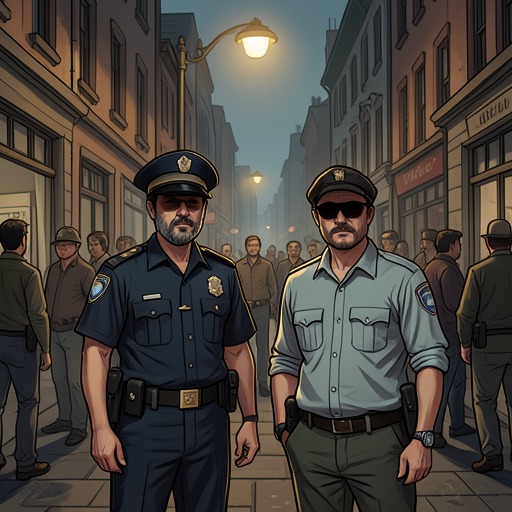
Patrick notices Tom’s height and broad shoulders, but especially the contrast between physical strength and delicacy of form. The sight calls to mind a beautiful Greek boy with a broken arm in the British Museum: an image of strength and radiance that, in Patrick’s perception, belongs equally well in a British setting. Tom wears his rough black uniform lightly; Patrick imagines life pulsing beneath the wool. For a beat, they simply look at one another. Tom’s serious expression meets Patrick’s sudden loss of words.
The business of the accident continues. Tom listens to Patrick’s account, then helps the woman to her feet when she holds out her hand. She leaves by bicycle, smiling and thanking him. Tom watches her go with Patrick, then privately calls her an eccentric old woman and grins. Patrick takes this as a small but significant sign: Tom has believed him rather than the complainant and is already relaxed enough to share an irreverent judgment. The constable’s easy manner differs from the institutional harshness Patrick expected, while his grin and blush make him seem unexpectedly open to Patrick’s attention.
Patrick gives his name and holds out his hand. Tom hesitates briefly before accepting it and giving his own name. The exchange is modest, but it changes the encounter from a request for police assistance into a meeting between two individuals. When Patrick compliments Tom’s handling of the situation, Tom’s cheeks turn pink. Patrick finds the response touching, and remembers it as another detail that distinguishes this constable from the rigid figure he had anticipated.
From chance meeting to portrait sittings
The first encounter does not end with the bicycle incident. In a subsequent meeting, Patrick recognizes Tom by his voice and asks him to use Patrick’s first name. Tom responds with the same grin and attentive manner that had caught Patrick’s notice at the police box. Patrick then admits that he has been hoping to run into him and walks alongside him, matching his pace against Tom’s long strides.
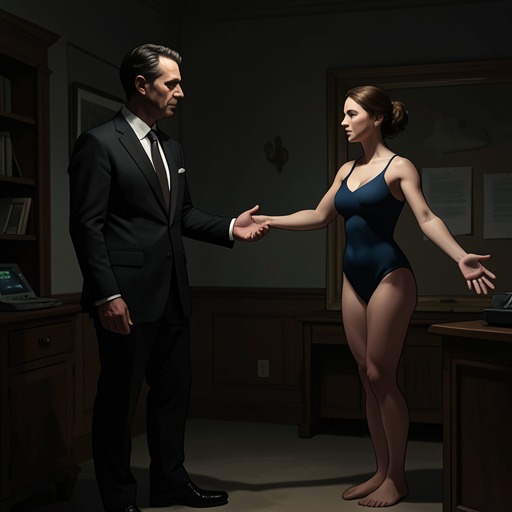
Patrick introduces a project to make images of ordinary people, listing grocers, postmen, farmers, shop girls, and policemen as possible subjects. He explains that he intends to make studies from life and compare them with historical portraits, proposing that the museum needs portraits of real Brighton residents rather than only conventional, socially prominent subjects. Tom asks whether his picture might be displayed in the museum. Patrick can offer no firm assurance, but Tom agrees to take part. They shake hands, arrange a date, and part.
The proposal gives the accidental meeting a practical future. Patrick has not merely admired a passing stranger: he has created a reason for them to meet again. Tom’s willingness to sit for him is presented as an uncomplicated agreement, while Patrick’s own account makes clear how personally charged the approach has become. As he walks away, he begins to whistle, stops himself, and nearly looks back before checking that impulse too.
Narrative significance
The encounter’s value shifts through small gestures rather than declarations. Patrick arrives at the police box braced for contempt; Tom’s attentiveness, trust, grin, and blush replace that anticipated hostility with a sense of possibility. The handshake makes the introduction explicit, and the later arrangement for portrait sittings turns a fleeting exchange into a continuing connection. The scene does not establish the later nature of their relationship, but it identifies the point from which their repeated meetings can grow.
Patrick’s account also places the scene beside his guarded reflections on intimacy. He describes his few past affairs as complicated and drawn out, contrasting them with the fleeting encounters he associates with men at the meat rack. He plans to burn what he has written, wary of leaving private thoughts where another person might find them. That frame makes the remembered encounter intimate without turning it into a declaration: the first approach is rendered through the particulars Patrick notices and the eagerness he tries to restrain. What begins as a call for a policeman becomes, through a shared look, a name exchanged, and a portrait project accepted, an opening neither man could have recognized at the outset.