
The Confession and Its Meaning
Native SonThis thread follows Bigger Thomas’s movement from silence to confession, and the difference between admitting what he did and explaining why.
increasing Bearing strength in each event
 decreasing
Bearing strength in each eventdecreasingSilence After Capture
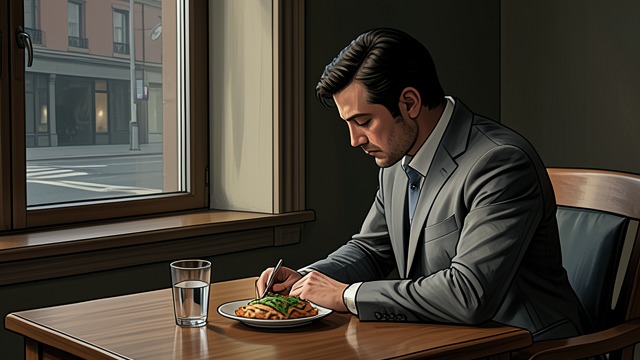
Withdrawal from the World
A refusal to respond
After capture, Bigger refuses food, drink, and conversation. He withdraws from the officials and the public spectacle, as if refusing to participate in the story being made about him.
Silence as defense
His silence cannot stop the investigation, but it temporarily protects him from demands that he explain himself. He has no language that can make others understand the whole life behind the crimes.
Pressure in the Basement
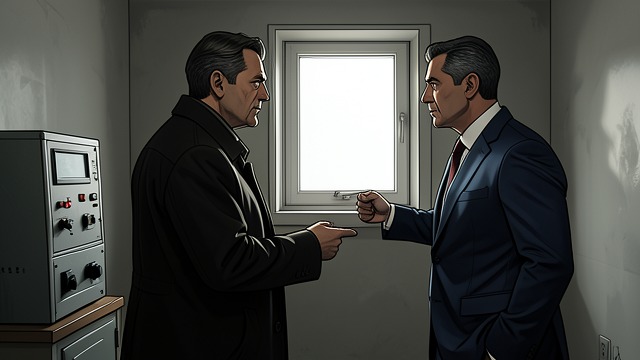
Interrogation and Fear
A coercive inquiry
Britten questions Bigger about Jan, Communist pamphlets, and Mary’s last night. He threatens and strikes Bigger, treating racial suspicion as grounds for physical intimidation.
The story shifts
Bigger alternates between denial and selective details, trying to protect himself while pointing suspicion toward Jan. The interview reveals how an official process can pressure a suspect to speak without creating conditions for reliable truth.
A Signed Account
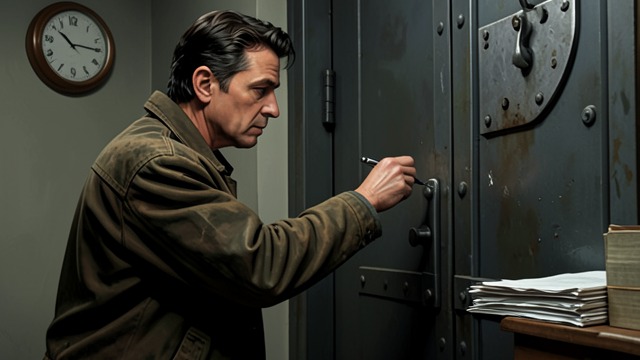
Confession Under Pressure
Buckley demands a story
Buckley tells Bigger that the evidence is overwhelming and questions him about other crimes, Jan, and Bessie. Bigger denies crimes he did not commit but eventually admits writing the ransom note and killing the women.
Actions without explanation
Bigger signs a statement because he sees no way out. The confession records deeds and claims of rape that he disputes, but it cannot convey the feelings and conditions he believes drove him.
A Different Kind of Account
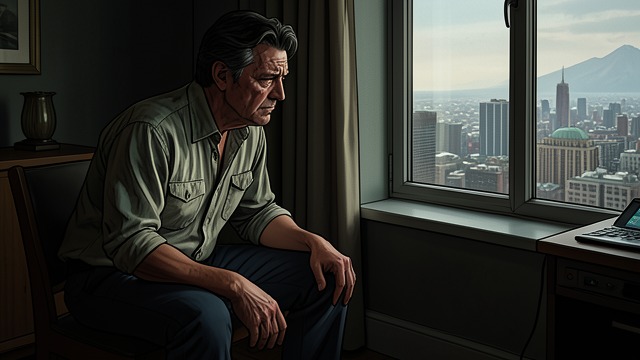
Speaking About the Life Before
Max asks why
Max asks Bigger what he wanted, what he feared, and how he understood his relations with white people. Bigger begins to describe restricted hopes, rage, and the feeling that others could determine what he might do.
The limit of explanation
Bigger can name parts of his experience, but no single motive accounts for his actions. The conversation separates factual confession from the harder attempt to make a life’s pressures intelligible.
An Unfinished Explanation
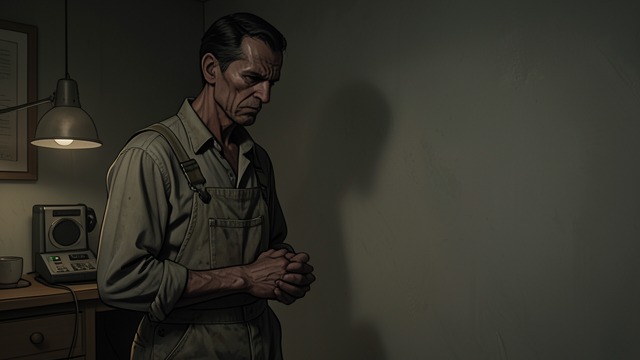
Meaning Without Excuse
A final question
Bigger asks whether the people who hated him were also trying to get something from life. Max cannot answer with the certainty Bigger wants, but describes shared needs distorted by unequal power.
Responsibility remains
Bigger does not retract the crimes or ask to be forgiven. His final words assert that his acts came from something deep in him, while the unresolved question of how that need might have been expressed without violence remains.
The first days in custody
Before the inquest, during Britten’s questioning
At the police station after the inquest
During Bigger’s first extended interview with Max
During the last meeting with Max
