
The State’s Case and Public Judgment
Native SonThis thread traces how the investigation, inquest, and trial progressively turn evidence into a public demand for Bigger Thomas’s death.
increasing Bearing strength in each event
 decreasing
Bearing strength in each eventdecreasingEvidence in the Furnace
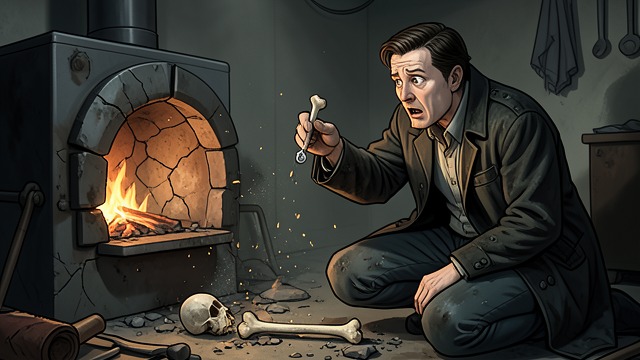
The Case Changes Course
Physical remains emerge
When investigators clear ashes from Dalton's furnace, they find bone and an earring. The discovery establishes Mary’s death and changes the inquiry from disappearance to murder.
Suspicion becomes certainty
Bigger recognizes that the evidence can expose him and flees. The discovery also gives investigators and reporters a material center around which to build their accounts.
The Inquest’s Sexual Frame
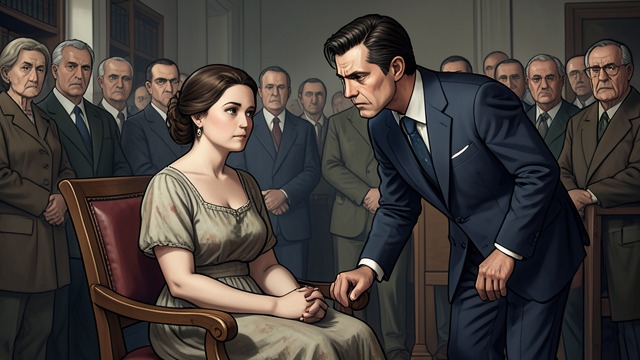
A Death Interpreted
Witnesses under pressure
The coroner questions Mrs. Dalton and Jan about Mary’s condition, drinking, and relationship with Bigger. Questions about racial mixing and sex repeatedly exceed the narrow question of how Mary died.
Public fear directs inquiry
Max objects that the questioning inflames the crowd, but the hearing keeps returning to racialized sexual suspicion. The proceeding teaches the audience how to interpret evidence before the trial begins.
Bessie’s Body as Evidence
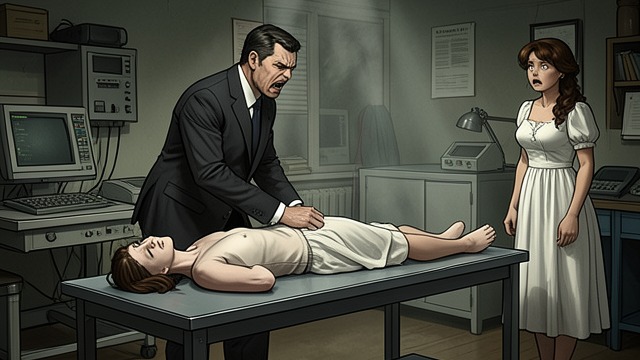
Another Death Displayed
A shocking presentation
The coroner introduces Bessie’s body as evidence in the case concerning Mary. Max protests that the display will inflame the crowd rather than clarify the cause of Mary’s death.
Unequal value of victims
Bessie’s death is used to strengthen the case against Bigger, though public concern has focused mainly on Mary. The episode makes visible the racial hierarchy shaping whose suffering becomes central and whose body becomes proof.
A Guilty Plea
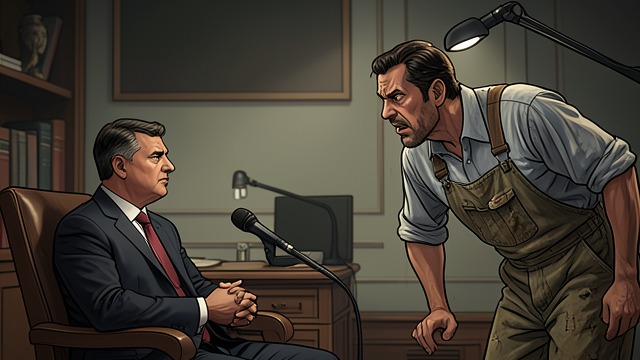
The Procedure Narrows
A plea entered
Following Max’s advice, Bigger pleads guilty, believing that the court has little interest in his account of events. The judge explains that the sentence may be death, life imprisonment, or a term of years.
A difficult strategy
Max intends to present mitigation rather than contest the underlying evidence. The legal path provides a formal chance to argue for life, but the surrounding crowd and press have already shaped expectations.
The Death Sentence
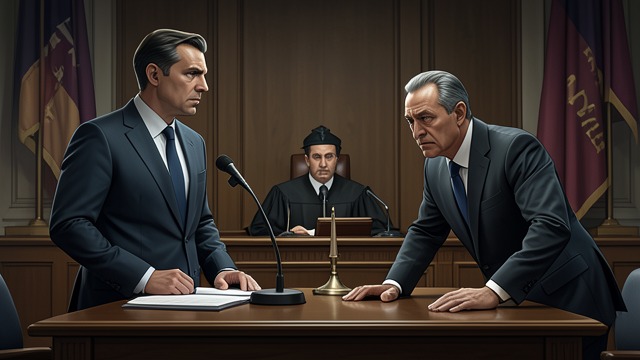
A Verdict Under Pressure
Competing speeches
Buckley demands death as protection for the public, while Max argues that the court must consider the conditions that shaped Bigger’s life. The courtroom hears two radically different accounts of safety and responsibility.
The ruling
The judge cites the unprecedented public disturbance and sentences Bigger to die. The legal process reaches its conclusion while leaving the social questions raised by Max unresolved.
The day reporters discover bone in the furnace
At the public inquest in Cook County Morgue
Late in the inquest, after Jan’s testimony
At Bigger’s arraignment in Cook County Criminal Court
At the end of the sentencing hearing
