
Blindness and Social Misreading
Native SonThis thread traces the novel’s linked forms of literal blindness and social blindness, from Mrs. Dalton’s inability to see to a society unable to recognize its own role.
increasing Bearing strength in each event
 decreasing
Bearing strength in each eventdecreasingA Blind Presence
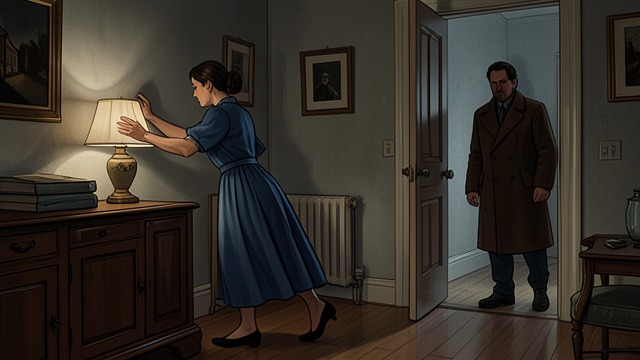
Seeing Without Sight
Mrs. Dalton navigates by sound
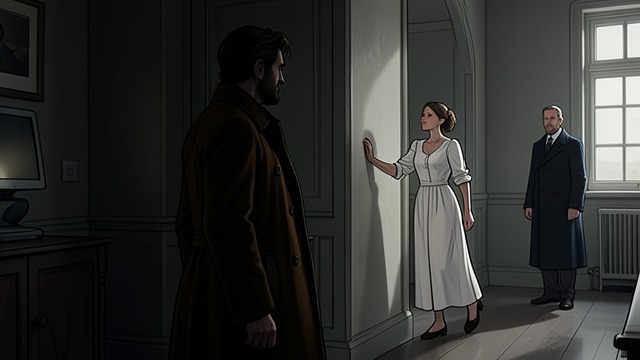
Mrs. Dalton moves through her house by touching walls and listening. Bigger watches her and feels exposed, even though she cannot see him.
Social roles remain visible
Her blindness does not erase the employer-worker relationship or Bigger’s expectation of judgment. The scene introduces a contrast between physical sight and the social knowledge people fail to acquire.
The Mother in the Bedroom
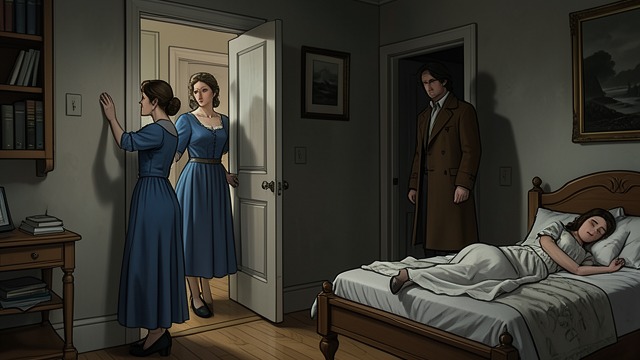
A Witness Who Cannot Know
An unseen presence
Mrs. Dalton enters Mary’s room while Bigger is there and mistakes the situation for drunkenness. She prays and leaves without discovering the truth.
A larger metaphor
Her literal blindness becomes entangled with the family’s limited understanding of the world Bigger inhabits. The metaphor does not make her personally malicious; it points to an inability to perceive consequences hidden by privilege and habit.
The Breakfast Table’s Blindness
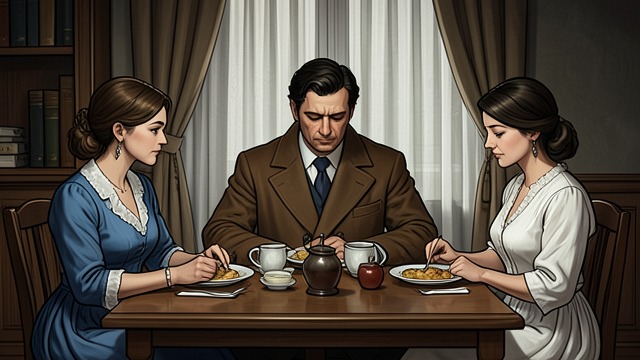
A Secret Among the Family
Ordinary life continues
Bigger eats breakfast with his mother, Vera, and Buddy while they remain unaware that he has killed Mary. He interprets their hopes and routines as a blindness to the wider world.
His own misrecognition
Bigger’s sense of insight is also compromised: he sees family members as weak or unaware rather than as people with needs of their own. The episode makes blindness reciprocal, though not equally powerful.
The City Cannot See Him
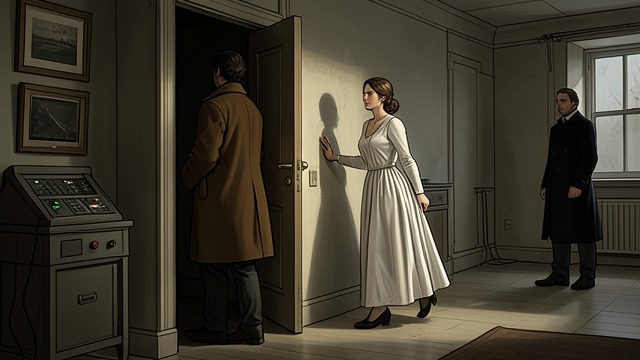
Hidden in Plain Sight
Assumptions protect Bigger
Bigger believes that wealthy white investigators cannot imagine a meek Black chauffeur committing the crime. Their confidence in stereotypes briefly helps him conceal his responsibility.
A system sees selectively
The investigators notice Jan’s politics and Bigger’s race but initially fail to understand the evidence in its full context. Social blindness is not simply failure to see; it is seeing through assumptions that hide what matters.
Recognition Without Deliverance
Seeing People Behind Categories
A new possibility
Max’s questions and explanation help Bigger imagine that people on both sides of a divide may want to live and fulfill themselves. Bigger tries to understand how those who hate him are also shaped by fear and desire.
Insight arrives too late
This recognition does not secure a pardon or dissolve racial power. It gives Bigger a partial understanding of human connection at the moment when his life is nearly over.
During Bigger’s first walk through the Dalton home
Early Sunday morning, during the fatal encounter
Sunday morning after Mary’s death
During the false kidnapping investigation
During the final conversation with Max
