
Violence as False Freedom
Native SonThis thread traces how Bigger Thomas experiences violence as a temporary assertion of agency, then discovers that it deepens his captivity.
increasing Bearing strength in each event
 decreasing
Bearing strength in each eventdecreasingToughness as Protection
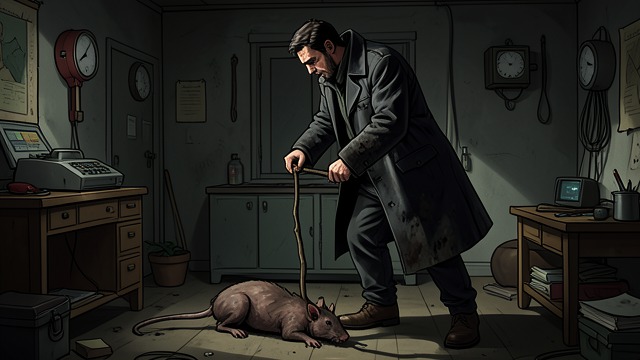
The Performance of Control
The rat episode
Bigger kills the rat and frightens Vera with its body. His behavior makes him appear powerful within a family situation that otherwise leaves him ashamed and constrained.
A fragile defense
The performance hides his awareness that he cannot materially improve the family’s life. Violence promises control for a moment, but it does not alter the poverty surrounding him.
The Gang’s Challenge
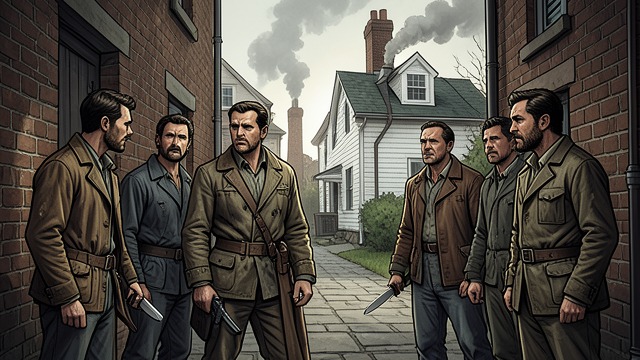
Action Against Fear
A dangerous opportunity
Bigger pushes his friends toward robbing Blum’s, treating the plan as a chance to challenge white power and gain money. He is simultaneously afraid of the consequences.
Violence substitutes for choice
When the fear becomes intolerable, he attacks Gus instead of carrying out the robbery. The assault restores a feeling of command while confirming that he has not escaped the underlying constraint.
The First Murder’s Aftereffect
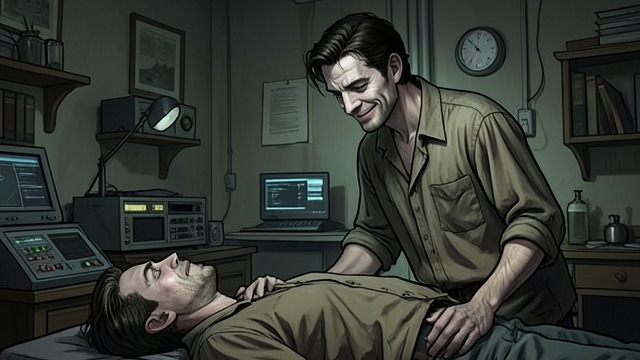
Crime Feels Like Creation
A new sense of consequence
Bigger interprets Mary’s death as the first event that has made his life matter to him. He feels no need to describe it as accidental because the crime has given him a disturbing sense of freedom.
Freedom built on concealment
His new confidence depends on a secret and a victim. The feeling is real to him, but it cannot create a lasting life or a stable form of belonging.
Murder Turns on Bessie
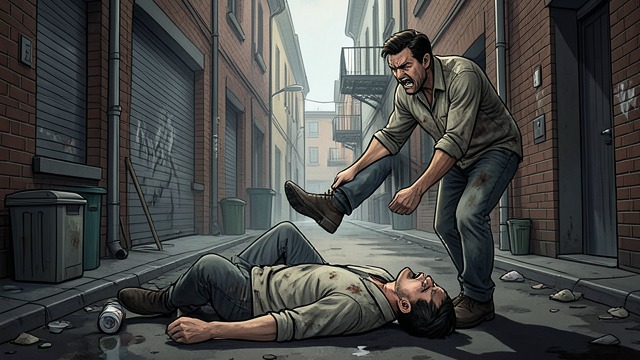
Violence Repeats
A deliberate killing
Bigger kills Bessie to protect himself from exposure, then disposes of her body. The second murder is not an accident or a momentary misunderstanding.
Agency becomes compulsion
He acts decisively but within a narrowing chain of fear and concealment. Violence that once seemed to make him free now binds him more tightly to flight and death.
The Claim at the End
Identity Asserted, Not Cleared
Bigger names his motive
Bigger says that he did not want to kill, but insists that the need for something meaningful was deep enough to make him do so. He rejects the idea that his actions came from nothing.
The moral limit
His words assert existence, not innocence. The novel leaves the reader with the tension between understanding the forces behind violence and refusing to mistake violence for liberation.
During the opening household conflict
Before and during the abandoned robbery plan
Sunday morning after Mary’s death
During the blizzard, after the ransom scheme fails
On the last day, after Max explains his view of society
