
The American Dream and Blocked Aspiration
Native SonThis thread traces Bigger Thomas’s imagined future—from flying and wealth to the recognition that ordinary routes to self-realization have been closed to him.
increasing Bearing strength in each event
 decreasing
Bearing strength in each eventdecreasingThe Plane in the Sky
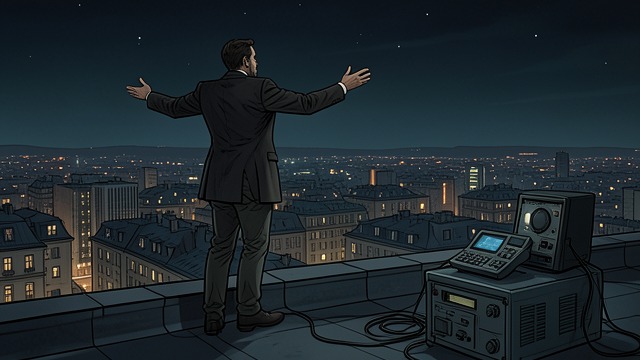
A Dream of Flight
Looking upward
Bigger watches an airplane write words in the sky and says that he could fly if he had the chance. Gus names the barriers of race, schooling, and money.
Freedom seen from below
The scene captures a desire that is vivid but unsupported by any realistic pathway. Flight becomes an image of access to a world Bigger can see but cannot enter.
Movies as a Substitute World
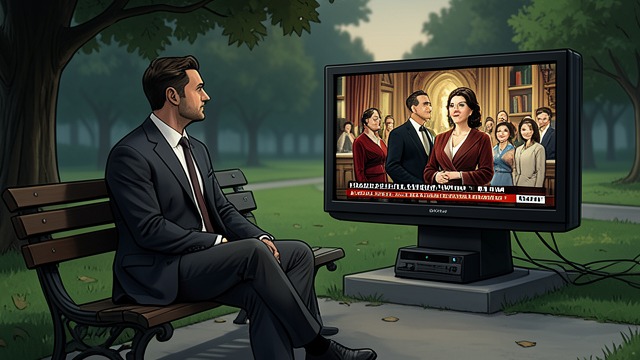
Desire Through Images
Screen and fantasy
Bigger watches a newsreel featuring Mary and wealthy young people. Hollywood images allow him to imagine money, mobility, and social freedom without having to act.
The fantasy sharpens deprivation
The imagined world makes his own limits more painful. When he later meets Mary in person, the distance between screen fantasy and real social danger becomes impossible to ignore.
Other Futures Named
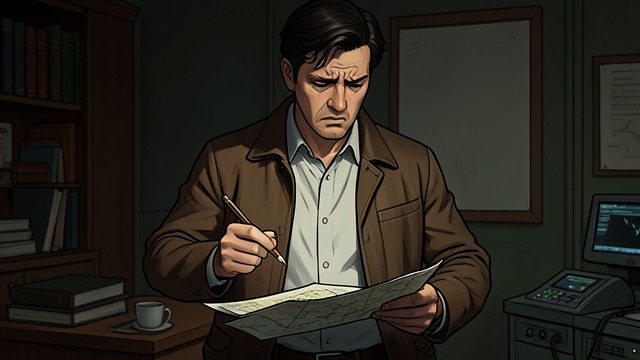
Work Beyond Servitude
Aspirations remembered
Bigger tells Max that he once wanted to fly, join the army, and enter business. He believes racial restrictions and poverty blocked those paths before he could test his abilities.
A desire larger than ambition
His list reveals a wish to participate in ordinary public life, not simply to acquire status. The inability to imagine a viable route makes his aspirations feel at once persistent and futile.
The Plea Defines Happiness
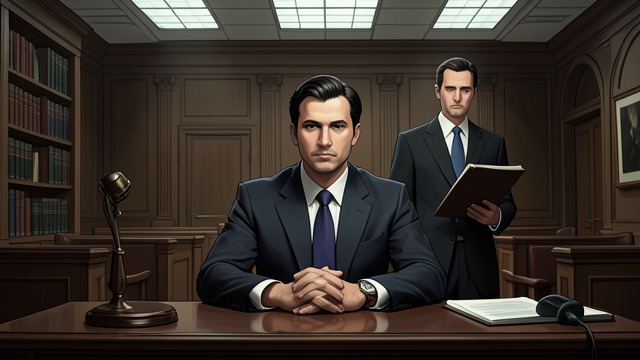
Self-Realization as Need
A lawyer’s formulation
Max argues that people can starve from a lack of self-realization as well as from a lack of bread. He presents Bigger’s unmet desire to act and belong as a social fact with moral consequences.
Aspiration cannot excuse harm
The argument asks the court to recognize a human need without making the murders acceptable. It shifts attention from the crime alone to a society that advertises possibility while restricting access to it.
Buildings Held by Belief
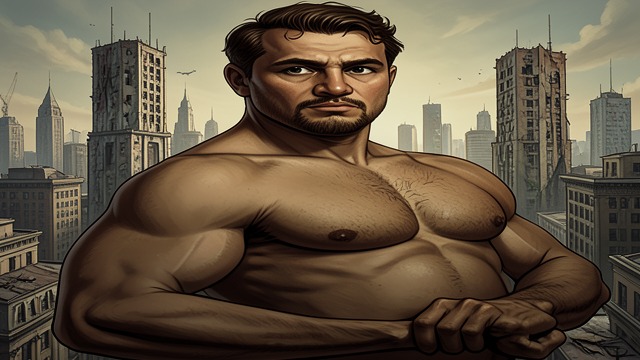
Desire and the City
Max’s image of the buildings
Max tells Bigger that belief and human longing hold the city’s buildings together. He describes the structures as products of people’s labor and desire, now controlled by a few.
A future only glimpsed
Bigger recognizes something of his own desire in Max’s account, but he will not live to discover what it might become. The city remains both a monument to human effort and a sign of who controls its rewards.
During Bigger and Gus’s morning conversation
During Bigger’s visit to Regal Theater
During Max’s first long interview with Bigger
During Max’s sentencing argument
During Bigger and Max’s last conversation
