
Bigger and Henry Dalton
Native SonThis thread traces the employment relationship between Bigger Thomas and Henry Dalton, where personal kindness coexists with economic and residential dependence.
increasing Bearing strength in each event
 decreasing
Bearing strength in each eventdecreasingAn Employer Chooses Bigger
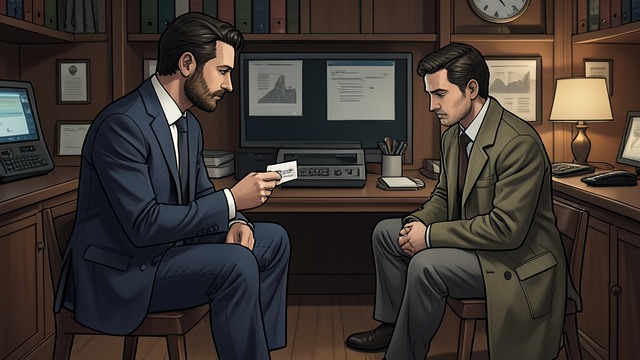
Work Offered on Unequal Terms
A job and a promise
Henry Dalton hires Bigger as a chauffeur, offers a weekly wage, and suggests that Bigger can help his family. He presents the job as a chance for a young man referred by relief.
Deference shapes the meeting
Bigger answers with habitual politeness and avoids looking directly at Henry Dalton. The employer sees an opportunity to help, while Bigger feels the pressure of needing to satisfy a powerful stranger.
The Chauffeur’s First Night

A New World of Duties
Rules of the house
Bigger learns to drive Dalton's Buick, tend the furnace, and wait on Mary. He enjoys the private room and good food, while remaining wary of the household’s expectations.
Gratitude not guaranteed
The material improvement is real, but the job does not create equality. Bigger’s thoughts remain shaped by the possibility of losing work and by the unfamiliar intimacy of serving a wealthy family.
A Murder Hidden by Employment

The Employer’s Trust Exploited
Routine conceals the crime
Bigger returns to the house, carries Mary’s suitcase to the station, and answers questions as if he were simply following instructions. Henry Dalton and Peggy rely on him as the family chauffeur.
Trust becomes a shield
Bigger uses the professional relationship to delay suspicion and direct attention toward Jan. The same arrangement that gave him access to the house also makes his deception possible.
A Landlord’s Questions

The Relationship Reframed
Ownership behind employment
Max reveals Henry Dalton’s control of companies that own South Side housing. The Thomas family’s rent and Bigger’s job are connected to the same wider structure of economic power.
Personal regard is insufficient
Henry Dalton insists he did not personally set the rent, but acknowledges his role in company policies. The exchange makes their relationship larger than employer and employee: it is also landlord, donor, and tenant.
The Last Appeal to the Daltons
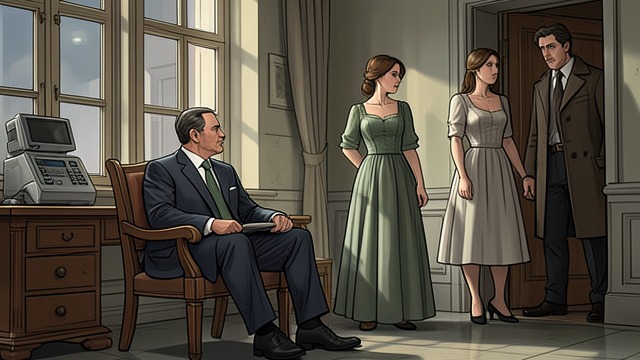
A Plea Meets a Boundary
The mother asks for intervention
Bigger’s mother appeals to Henry and Mrs. Dalton as wealthy people able to influence events. Henry promises not to evict the family but says the criminal case is beyond his control.
Dependence remains
The Daltons can offer a measure of economic protection but cannot or will not command the legal process. The relationship closes with the same imbalance of power that has marked it from the start.
During the employment interview
Saturday evening, after Bigger begins work
Sunday morning, while Bigger continues his duties
At the inquest, during Max’s examination
During Bigger’s family visit to jail
