
A Book’s Unfinished Argument
Native SonThis thread traces the ending’s movement from Bigger Thomas’s inward isolation toward a fragile idea of human solidarity that neither he nor the novel can fully resolve.
increasing Bearing strength in each event
 decreasing
Bearing strength in each eventdecreasingSilence After the Sentence
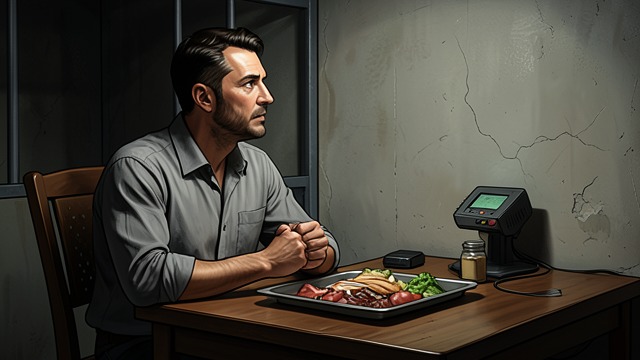
The World Turned Gray
An effort not to feel
Bigger shuts out ordinary time and tries to prepare himself for death by imagining a gray world beyond the cell. He forces food down but refuses to engage with the life outside.
Isolation returns
The death sentence makes his earlier attempts to understand others seem almost impossible. He wants to stop feeling because every new thought intensifies the awareness of what he has lost.
A Wish to Understand
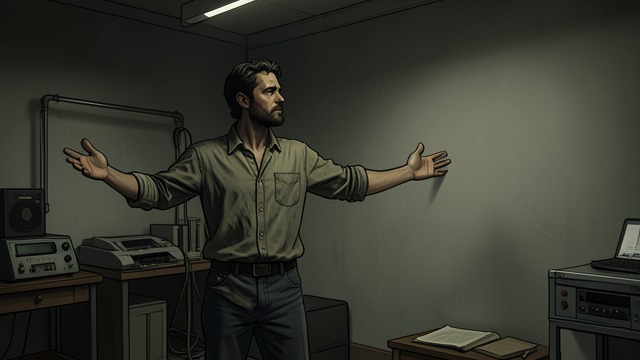
Questions Without Language
A need for connection
Bigger wonders why he has always reached toward a world that seems unable to answer him. He longs to know whether other people’s inner lives resemble his own.
Communication remains blocked
He has no words or shared symbols that can make his experience fully intelligible. The desire for recognition grows strongest precisely when he is least able to obtain it.
Max Names Shared Desire
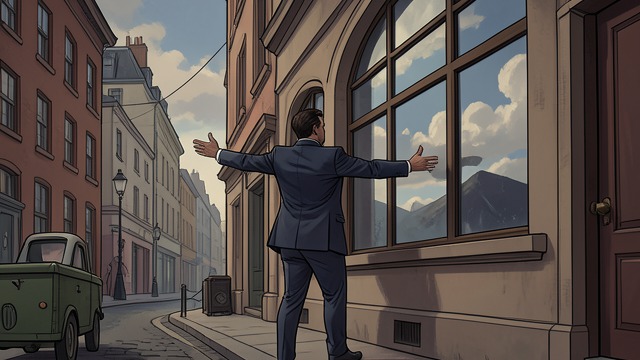
A Human World Implied
Buildings as collective labor
Max describes Chicago’s buildings as products of ordinary people’s hopes and work, now held in the hands of a few. He suggests that the people who hate Bigger also seek lives with purpose and security.
Understanding without rescue
The idea offers Bigger a way to interpret his own yearning as human rather than shameful. It cannot change the sentence, and Max cannot answer every question Bigger asks.
A Defiant Interpretation
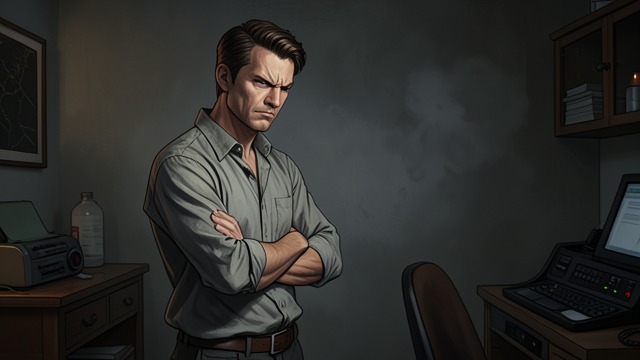
Selfhood Claimed
Bigger rejects easy pardon
Bigger insists that he is not asking for forgiveness and does not deny the damage he caused. He says that what he killed for was bound up with what he was.
A dangerous clarity
His words give him a sense of himself, but their force depends on violence and cannot be accepted as a moral solution. Max hears a claim that he fears may turn suffering into an endorsement of killing.
Goodbye Without Closure
A Connection Left Open
A final request
Bigger asks Max to tell Jan hello and insists that he is all right. Max leaves without fully answering Bigger’s questions about shared humanity.
No completed reconciliation
Their farewell preserves the possibility of recognition without resolving the contradictions of race, guilt, and violence. Bigger’s last claim to selfhood remains both a reaching toward connection and a boundary beyond which the living cannot follow.
The first night after Bigger receives the death sentence
During the final day, before Max arrives
During the last conversation at the cell window
Immediately before Max leaves the cell
At the end of the final conversation
