
Charity and the Dalton Household
Native SonThis thread follows the difference between the Daltons’ benevolent intentions and the housing and power structures that continue to constrain Bigger’s family.
increasing Bearing strength in each event
 decreasing
Bearing strength in each eventdecreasingA Job Offered as Help

Benevolence at the Door
A private opportunity
Henry Dalton hires Bigger as a chauffeur, offers wages above the stated rate, and expects him to support his family. The arrangement appears generous to the household and its supporters.
Dependence beneath generosity
Bigger experiences the offer as a demand he cannot refuse. The job may provide income, but it does not change the conditions that make his family depend on charity and relief.
The Household’s Paternal Care
Kindness with Boundaries
Domestic welcome
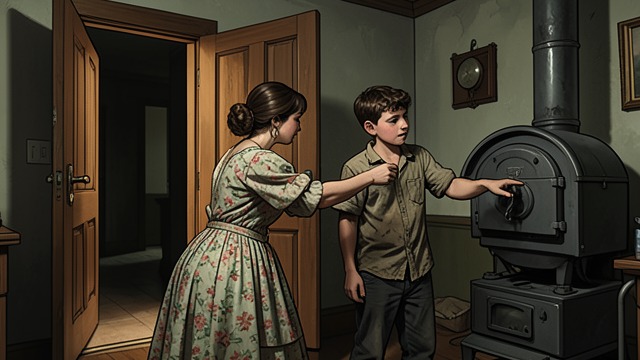
Peggy feeds Bigger, shows him the furnace and his room, and explains that the Daltons have employed a Black chauffeur for years. Mrs. Dalton speaks to him about education and night school.
Different understandings
The household sees its practices as humane and familial. Bigger sees a world of unfamiliar comfort in which other people set his duties and imagine what his future should be.
The Landlord Behind the Donor

Charity Meets Ownership
The property connection
Max establishes that the South Side Real Estate Company is controlled through Henry Dalton’s business interests. The Thomas family pays high rent for a single, overcrowded room in a building linked to the family that employs Bigger.
Good intentions challenged
Henry Dalton presents his philanthropy as help, while Max asks why it leaves the underlying housing arrangement intact. The examination reveals that charity and profit can coexist without removing the barriers that make people vulnerable.
The Plea for Mrs. Thomas
A Mother Asks for Mercy
A desperate appeal
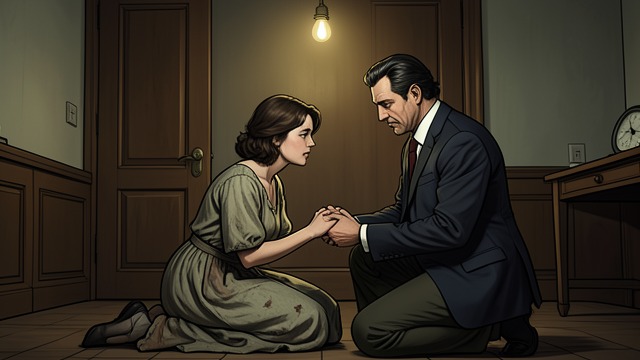
Bigger’s mother kneels before Mrs. Dalton and asks her to prevent his execution. She invokes the power and wealth of the family whose home has become the site of her son’s crime.
Help arrives too late
Mrs. Dalton says there is nothing she can do, while Henry Dalton promises the family will not be evicted. Their compassion is real, but it cannot reverse the process that has placed Bigger in the hands of the court and the crowd.
The Limits of Benevolence

Structural Questions Remain
The lawyer’s challenge
Max argues that donations and gifts such as ping-pong tables cannot substitute for housing, opportunity, or equal participation in society. He asks the court to see how conditions shaped Bigger without erasing his responsibility.
A divided legacy
The Daltons’ charity neither makes them simple villains nor solves the inequalities around them. Their story demonstrates why personal goodwill cannot by itself transform a system that profits from separation.
On the day Bigger reports for work
During Bigger’s first evening in the Dalton home
At the inquest, during Max’s questioning of Henry Dalton
During the jail visit before trial
During Max’s closing plea at Bigger’s sentencing hearing
