
The Rent and the Color Line
Native SonThis thread traces how residential segregation confines Bigger and his family, shaping his sense of possibility long before the criminal case begins.
increasing Bearing strength in each event
 decreasing
Bearing strength in each eventdecreasingA Room for Four
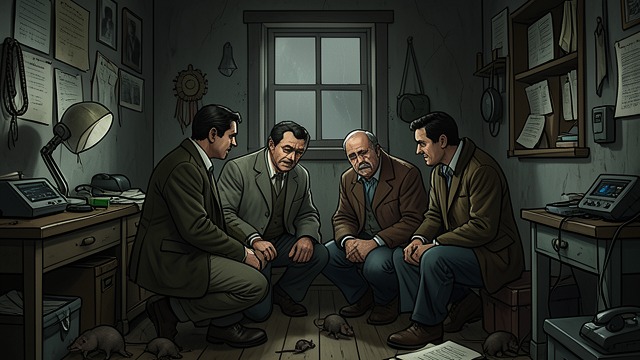
Overcrowded Living
Shared space
Bigger, his mother, Vera, and Buddy live in one cramped room with little privacy and persistent rats. Their domestic life is marked by discomfort that the family cannot readily change.
Poverty as environment
The room is not merely a backdrop: it shapes family tensions, daily routines, and Bigger’s feeling of being trapped. His anger grows within conditions that make comfort and privacy seem remote privileges.
The Unequal Rent

A Housing System Exposed
Rent and ownership
Max connects the Thomas family’s rent to Henry Dalton’s real-estate interests and asks why the family pays heavily for such poor housing. Henry Dalton invokes the housing market and established custom.
Constraint made visible
The exchange shows that segregation is supported by ordinary business practices, not only by explicit personal hatred. The family’s home reflects a larger arrangement that limits where Black Chicagoans can live.
The Line Bigger Sees

Geography as a Barrier
A restricted map
Bigger understands that Black residents cannot freely rent homes in white neighborhoods, even where Henry Dalton owns property. The color line shapes his movements and his sense of where he is permitted to belong.
A private anger
As he passes empty buildings and crowded homes, Bigger recognizes the contrast between available space and his own family’s confinement. The city appears abundant, yet its opportunities remain unevenly assigned.
A Property Bearing Dalton’s Name
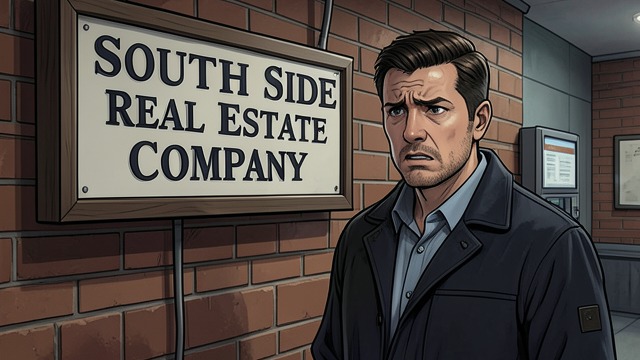
The Fugitive Reads the City
A familiar company sign
Bigger sees the South Side Real Estate Company name and remembers that his family rents from a business connected to Henry Dalton. He understands that the man who hired him is also linked to the place where his family is confined.
No easy exit
The recognition sharpens the contradiction between Dalton’s generosity and the geography of exclusion. Bigger cannot simply leave the Black Belt; housing and police attention make escape difficult even before the manhunt closes in.
A Promise Against Eviction

Security Without Freedom
The landlord’s assurance
Henry Dalton promises Bigger’s mother that the family will not be forced to move after she pleads for her son. The promise addresses an immediate fear but leaves the family dependent on a powerful owner.
A limited reprieve
The family gains temporary housing security, not a transformed position in the city. The episode shows how protection can be granted personally while the conditions of dependence remain intact.
At the opening, inside the Thomas family apartment
During Max’s questioning of Henry Dalton at the inquest
During Bigger’s Sunday journey through the Black Belt
During Bigger’s flight after the ransom plan fails
At the end of the jail visit before trial
