Bigger and Max’s Final Conversation
Native SonBigger and Max’s final conversation is a farewell under the certainty of execution, but it is also a struggle over what Bigger’s life and crimes mean. Max tries to turn their earlier questions into an account of social exclusion and human possibility; Bigger, facing death, insists on his own understanding, even when Max cannot accept it. The visit ends with a handshake and a message for Ma, not with reconciliation or a resolution of their disagreement.
The visit and its changed terms
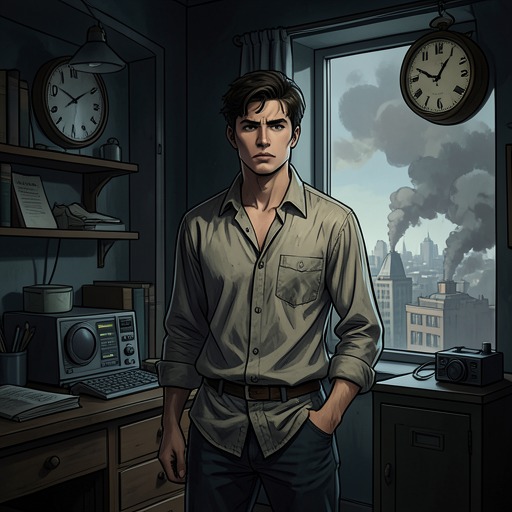
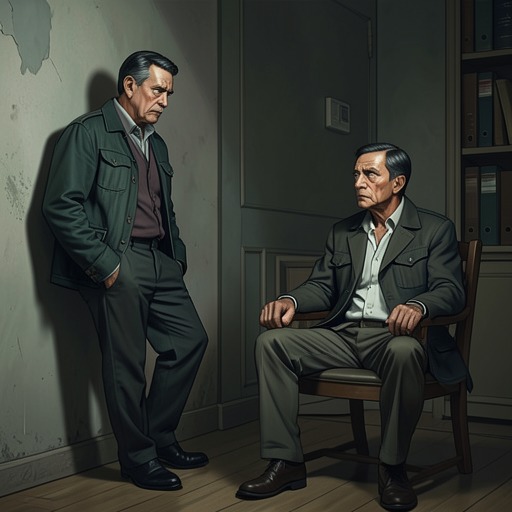
Bigger is asleep uneasily when a guard wakes him to announce his lawyer. He swings his feet to the floor and sits up. When Max enters, Bigger has an impulse to rise but stays seated. They look at one another before Max greets him, and Bigger silently shakes his hand. The brief, hesitant opening makes the visit feel different from the hopes Bigger had formed while thinking about Max: the lawyer is now physically present, quiet and solid, while the ideas Bigger had attached to him remain uncertain. Bigger is glad he has come, but bewildered.
That mixture of welcome and uncertainty shapes the exchange that follows. Max has treated Bigger as a person and asked him questions no one else had asked, but that recognition has not brought comfort without qualification. Bigger tells Max that the questions made him think, and that thinking has made him somewhat afraid. The scene’s intimacy therefore contains strain: Bigger values being heard, yet the understanding that hearing has opened is difficult to bear at the edge of death.
Max’s account of exclusion and possibility
Max answers by describing a way of seeing the world that does not divide people into white and Black, civilized and savage. He says that such distinctions recede when people are working to change human life, and that speaking with Bigger made him feel how deeply people want to live. His reassurance is humane, but Bigger recognizes its limits. The narration makes clear that Max is still trying to comfort a condemned man, whereas Bigger wants more than consolation; he wants guidance about life in the face of death.
Max then develops an image of buildings that had once seemed to embody people’s desires and longings. In his account, those buildings no longer open outward to feed such dreams: a few owners hold them tightly, while others stand outside, restless and unable to find room to grow. Bigger listens toward the buildings but does not see them; he tries to compare Max’s picture with what he has felt throughout his life. The image connects personal frustration to a social arrangement in which ownership and exclusion restrict the possibilities Max describes.
Max says that owners, afraid of losing what they possess, push others down and call them beasts. People like Bigger become angry and fight to re-enter the buildings and live again. But Max also draws a moral boundary: Bigger killed, and that was wrong. It is too late for him to join others in the work of changing the world, Max says, though it is not too late for him to believe and understand what he felt. Bigger’s response is not a simple acceptance of this explanation. He says he had always wanted to do something, placing his own longing beside Max’s account without claiming that it makes his actions right.
Bigger’s claim about what he did
Bigger tells Max that he believes in himself because he has nothing else and must die. He says he is not trying to forgive anyone or asking anyone to forgive him. He acknowledges that killing may not be fair and that he may not truly have wanted to kill, but says that thinking about the reason for the killings helps him feel what he wanted and what he is. He is not asking Max to absolve him; he is trying to make Max understand the identity he now draws from his actions.
That claim sharpens into the conversation’s central dispute. Bigger insists that he did not want to kill, yet says that what he killed for is what he is, and that the force of his feeling must have been deep enough to lead him to murder. Max backs away with compressed lips and reaches toward Bigger without touching him. He protests, but Bigger’s account does not yield to Max’s distinction between a desire for life and the wrongful means through which Bigger acted. The two men reach a point of recognition without agreement: Max understands that Bigger wants him to speak about life, while Bigger refuses to let reassurance erase the meaning he has attached to his own choices.
The farewell
After the argument, Bigger tells Max to go home and asks him to tell Ma that he is all right and has not been crying. He insists on this small report of his condition even as he is confronting death. Max’s eyes are wet. He extends his hand, and Bigger shakes it; Max quietly says goodbye, and Bigger answers in kind. The handshake recalls their greeting at the beginning, but the closing gesture carries the knowledge that this is their final conversation.
The scene leaves the disagreement intact. Max has offered solidarity and a social explanation, but his attempt to comfort Bigger cannot make the condemned man’s fear or death disappear. Bigger, for his part, does not ask for absolution or offer forgiveness. His farewell is controlled and directed outward, toward Ma, while his argument with Max remains his own. The final exchange holds together human recognition and separation: the men can clasp hands, but they cannot make their understandings of Bigger’s life coincide.