
Verity and Clotilde
NemesisThis flow traces the emotional bond between Verity Hunt and Clotilde Bradbury-Scott as it shifts from care to possessive violence.
increasing Bearing strength in each event
 decreasing
Bearing strength in each eventdecreasingMotherless Attachment
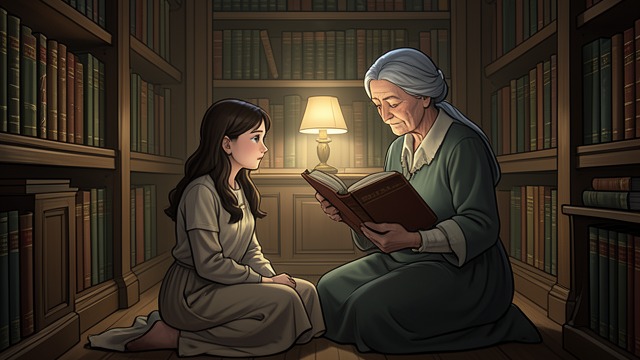
A Substitute Family
Verity Hunt enters Clotilde Bradbury-Scott’s household after losing her parents. Clotilde offers protection, education, travel, and a stable emotional home.
Dependence and Gratitude
Verity responds with affection and admiration. Clotilde becomes both guardian and idealized figure.
Unequal Love
The bond is loving but asymmetrical. Clotilde’s identity depends more heavily on Verity than Verity’s future can safely accommodate.
Hero Worship

The Admired Guardian
Verity treats Clotilde as a brilliant and accomplished personality. Her admiration carries an intensity that resembles romantic devotion without being fully defined.
Clotilde’s Emotional Reward
Clotilde receives from Verity a devotion that fills the household’s emotional center. She comes to experience the relationship as uniquely irreplaceable.
The Difficulty of Change
As Verity matures, the old bond cannot remain the whole of her life. The emotional structure that once nurtured her begins to constrain her.
Love Meets Independence
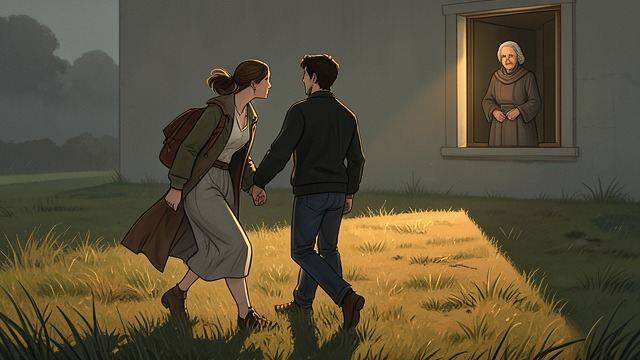
A Different Future
Verity’s love for Michael Rafiel introduces marriage, sexuality, and motherhood as possibilities outside Clotilde’s protection. She wants to choose the shape of her adult life.
Clotilde’s Loss
Clotilde experiences Verity’s independence as abandonment. Her opposition is expressed as concern for Michael’s bad character, but jealousy increasingly controls it.
The Emotional Collision
Two kinds of love compete: possessive devotion and chosen partnership. The conflict is intimate before it becomes criminal.
The Fatal Possession

Love Refuses Release
Clotilde cannot permit Verity to leave for the secret wedding. She uses a sleeping drug and buries Verity beneath the greenhouse instead of allowing separation.
Keeping the Beloved
The burial is an extreme attempt to preserve proximity. Clotilde transforms the living person into a permanent possession.
Love’s Corruption
The relationship’s original tenderness survives only as a rationale for murder. Affection has become a force that destroys the object it claims to cherish.
Ten Years of Sorrow
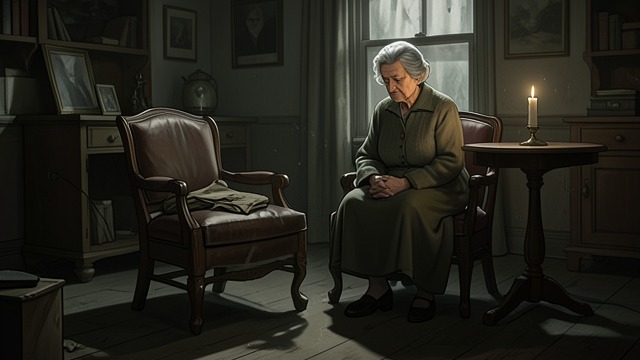
Life with the Buried Girl
Clotilde continues living in The Old Manor House while preserving the secret of Verity’s grave. Her grief does not diminish because the crime has frozen the relationship in its final moment.
Fear and Isolation
The sisters sense that something is wrong, while Clotilde remains bound to the house and the hidden body. Love becomes inseparable from secrecy and menace.
The Final Exposure
When Marple names what happened, Clotilde is forced to confront that possession has not restored Verity. It has only prolonged suffering.
After Verity’s parents are killed
During Verity’s late adolescence
When Verity falls in love with Michael Rafiel
On the day of Verity’s planned marriage
The decade between Verity’s death and Marple’s arrival
