
The Three Sisters Motif
NemesisThis flow traces how the image of three sisters shifts from literary association to a psychological map of guilt, fear, and concealment.
increasing Bearing strength in each event
 decreasing
Bearing strength in each eventdecreasingLiterary Echoes
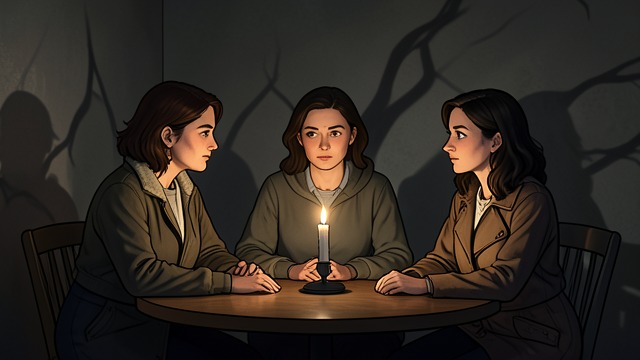
Three as Omen
Jane Marple associates the three sisters with Chekhov’s Three Sisters and the witches of Macbeth. The number suggests intimacy, secrecy, and a menace hidden beneath ordinary behavior.
Ordinary Witches
She imagines witches not as theatrical monsters but as normal women whose sly glances conceal danger. This becomes the interpretive model for The Old Manor House.
A Pattern of Roles
The sisters’ differences invite Marple to assign possible functions: authority, normality, and fear.
Three Emotional Positions
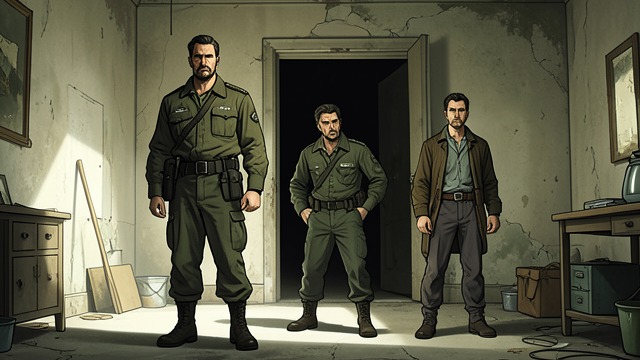
Authority Fear and Normality
Clotilde appears forceful, Anthea frightened, and Lavinia emotionally balanced. Their contrasting responses to the house create a psychological triangle.
A Shared Secret
The sisters are connected not by equal knowledge but by unequal relationships to the past. One may command, one may fear, and one may remain partly outside.
The Motif Deepens
The literary image becomes a practical method of reading the household. Marple searches for what each sister protects, knows, or avoids.
The Absent Sister
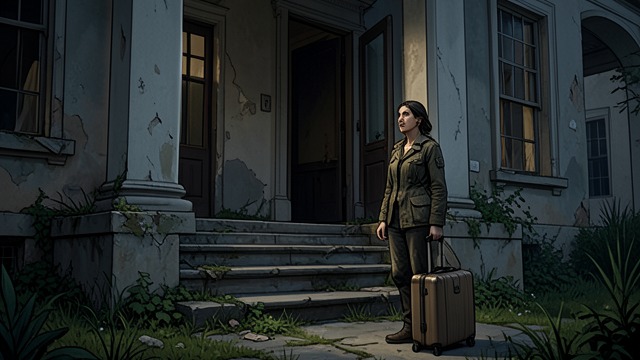
Lavinia’s Distance
Lavinia Glynne was abroad during Verity’s death and joined her sisters later after widowhood. Her absence separates her from the crime’s original emotional pressure.
A Mediating Presence
She maintains domestic normality and provides hospitality, but she also senses that the house is difficult for her. Her wish to live elsewhere suggests the cost of returning to a family secret.
The Triangle’s Balance
Without Lavinia’s relative normality, Clotilde’s authority and Anthea’s fear might become openly destructive.
The Frightened Sister
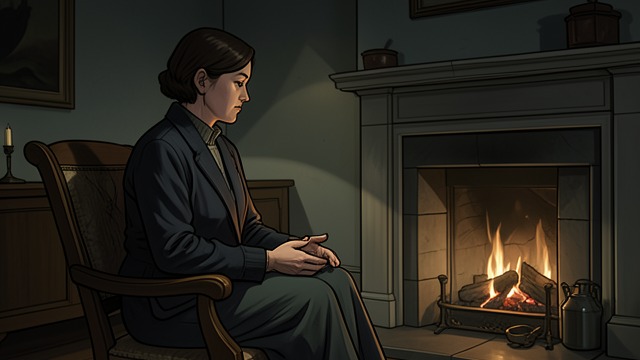
Anthea’s Unspoken Knowledge
Clotilde admits that Anthea behaved strangely after Verity’s death and may have suspected what happened. Anthea’s fear is therefore tied to the household’s hidden crime.
A Potential Scapegoat
Clotilde has encouraged the impression that Anthea is mentally unstable. That portrayal could make any future accusation against Anthea seem plausible.
The Motif as Structure
Anthea represents the sister who sees the danger but lacks the authority to speak. Her fear keeps the secret alive.
The Broken Triangle
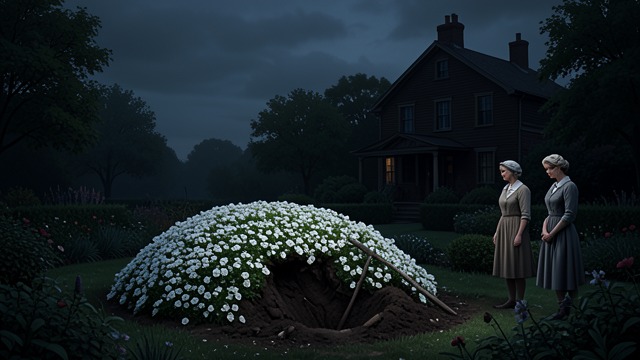
The Secret Loses Its Keeper
Clotilde’s death breaks the structure that held the sisters together. The dominant authority disappears, leaving the house open to investigation and truth.
Survival Beyond Guilt
Lavinia and Anthea remain morally complicated but are not shown as equal participants in the murders. Their future begins under the shadow of what they knew or suspected.
The Motif Resolved
The three sisters are no longer an omen. They become three people damaged differently by one woman’s possessive crime.
When Marple first meets the sisters
During Marple’s first dinner with the sisters
During the discussion of the family history
During Clotilde’s private confession to Marple
After Clotilde’s death
