
The Old and the New
NemesisThis flow traces the novel’s contrast between inherited Victorian habits and a changing society that creates new freedoms and new dangers.
increasing Bearing strength in each event
 decreasing
Bearing strength in each eventdecreasingMarple’s Victorian Habits
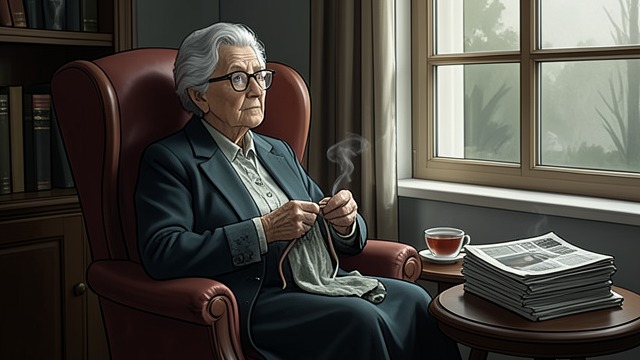
Old Customs Persist
Jane Marple reads newspapers in a fixed routine, knits children’s clothing, and interprets social behavior through older standards of propriety. Her habits place her at a distance from contemporary life.
A Social Disguise
Others see these habits as evidence of harmless irrelevance. Marple uses the expectation of elderly femininity to move through modern situations unnoticed.
Continuity of Observation
The old forms do not make her obsolete. They give her a long memory against which new behavior can be compared.
Modern Youth

New Clothes and Opinions
Emlyn Price and Joanna Crawford represent younger attitudes toward politics, clothing, sexuality, and independence. Their appearance and confidence make the older travelers uneasy.
Misread Rebellion
Marple initially considers youth potentially violent, but she gradually sees that the pair are curious and sincere rather than murderous.
Generational Contrast
Their presence allows the novel to distinguish genuine youthful freedom from the older generation’s concealed possessiveness.
Changing Legal Language
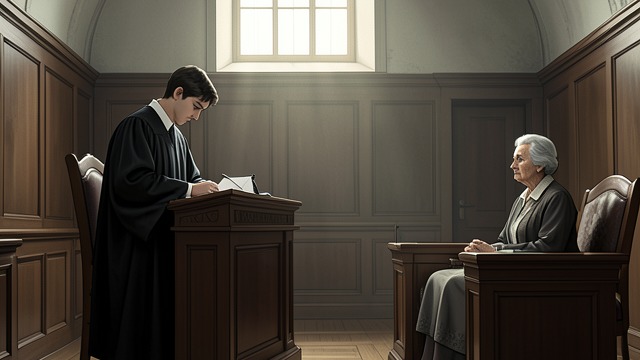
Modern Terms for Old Crimes
The narrative discusses diminished responsibility, mental illness, and confinement under Her Majesty’s pleasure. These terms attempt to explain criminal behavior through psychology and social policy.
Compassion and Evasion
Wanstead accepts that biology may shape conduct but rejects the idea that every offender is thereby innocent. Marple is suspicious of explanations that erase personal responsibility.
The Legal Problem
Michael’s case demonstrates that neither punishment nor medical language guarantees justice. The crucial issue remains whether he committed the specific murder.
Declining Estates
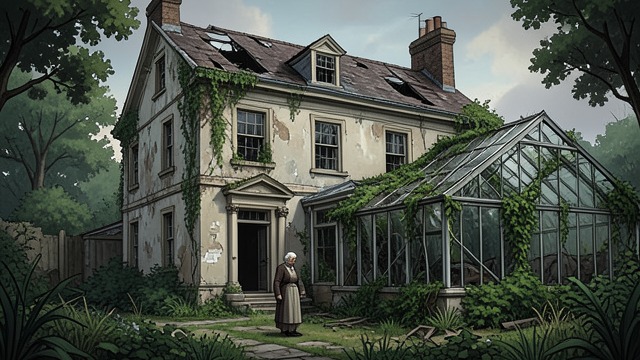
The End of a Social Order
The Old Manor House has lost servants, gardeners, money, and maintenance. Its former grandeur survives only in furniture, stories, and ruined horticultural structures.
Historical Change
The sisters’ financial distress reflects the decline of the old landed household. They inhabit a world designed for more resources than they possess.
The Past as Burden
Because the house cannot adapt easily, memory becomes more powerful than practical life. The old order protects tradition while concealing crime.
Freedom and Risk
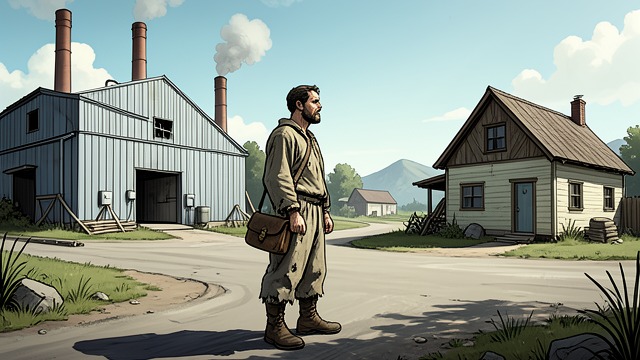
A New Society
Michael Rafiel is released into a world that has changed while he was confined. The language of rehabilitation and legal correction offers him freedom but not a guaranteed identity.
Opportunity Without Certainty
Jane Marple hopes that work and a good relationship may help him. Yet she recognizes that society cannot manufacture moral reform.
The Novel’s Balance
Modern freedom can correct an old injustice, but it also returns a flawed man to choices he may still mishandle.
At the beginning of the novel
During the coach tour
During Wanstead’s explanation of Michael’s imprisonment
During Marple’s stay at The Old Manor House
After Michael’s release
