
The Wrongful Conviction
NemesisThis flow traces Michael Rafiel’s movement from delinquent son and convicted murderer to a man released after the truth is uncovered.
increasing Bearing strength in each event
 decreasing
Bearing strength in each eventdecreasingA Delinquent Heir

A Troubled Son
Michael Rafiel develops a record of theft, fraud, assault, and destructive behavior. His father repeatedly pays fines, finds lawyers, and rescues him from consequences.
Reputation as Evidence
By the time Verity disappears, Michael’s past makes him an easy suspect. His known dishonesty also makes his imperfect alibis appear like proof of murder.
The Dangerous Assumption
His character is bad, but bad character is not identical with the particular act of killing. The novel builds its central legal error on that distinction.
The Trial Narrative
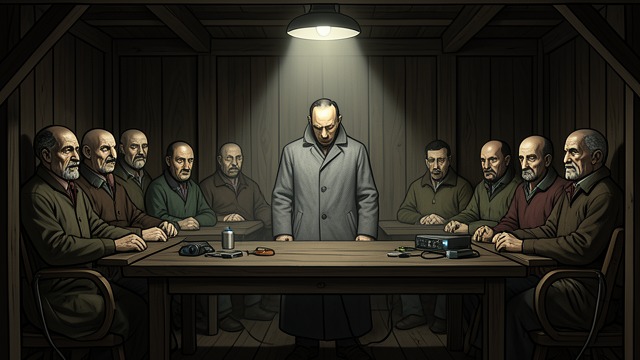
Circumstantial Certainty
Michael Rafiel is tried for Verity Hunt’s murder. He has been seen with her, his car is associated with her movements, and his lies weaken his defense.
The Missing Alternative
The prosecution’s case does not need to identify the actual killer once the substituted body is accepted as Verity. The legal process becomes trapped inside a false premise.
A Life Lost
Michael receives a life sentence and is confined under Her Majesty’s pleasure. His future disappears behind a judgment that appears rational because every visible fact has been arranged against him.
Wanstead’s Doubt

The Governor’s Unease
The Governor of Manstone Prison suspects that Michael Rafiel is not a killer, despite believing him to be a persistent criminal. Edmund Wanstead is asked to assess the prisoner professionally.
Character and Crime
Wanstead finds that Michael’s psychological profile does not fit the frenzied strangulation and mutilation attributed to him. His conclusion separates general delinquency from homicidal behavior.
The Case Reopens
The expert doubt gives Jason Rafiel a reason to act. A legal appeal may lack new evidence, but a private investigation can search for the truth beneath the established story.
Rafiel’s Final Demand
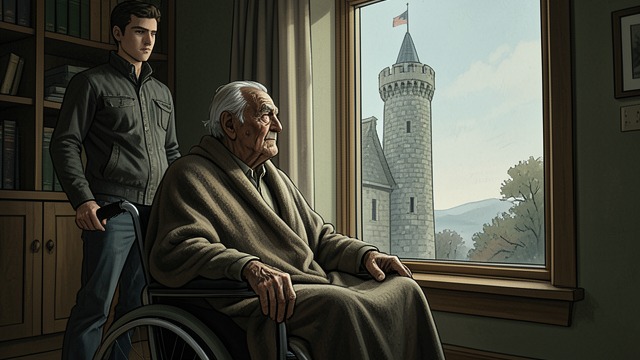
A Father’s Last Objective
Jason Rafiel tells Edmund Wanstead that he wants Michael vindicated and released. His motive is not sentimental absolution: he accepts that Michael is morally corrupt but refuses to let him suffer for a murder he did not commit.
Justice Without Illusion
Rafiel distinguishes paternal duty from approval. He will provide for Michael as he would care for a son with an incurable condition, while still recognizing the son’s defects.
The Mission’s Moral Shape
This decision transforms the investigation from a search for a murderer into an effort to restore a damaged man’s legal identity.
Release and Uncertainty

A Free Man
Michael Rafiel is released after the discovery of Verity Hunt’s true remains and the exposure of the substitution. The authorities acknowledge that he was wrongfully convicted.
An Unfinished Future
Release does not make Michael virtuous or restore the years he lost. He remains attractive, compromised, and uncertain about how to live outside confinement.
A Chance of Reform
Jane Marple gives him the photograph of Verity, but he refuses to keep it. His decision suggests that survival may require accepting the past without allowing it to become his permanent identity.
Michael Rafiel’s adolescence and early adulthood
After Verity Hunt’s body is discovered
Several years after Michael Rafiel’s conviction
In the weeks before Jason Rafiel’s death
After Clotilde Bradbury-Scott’s death
