
The Three Sisters’ House
NemesisThis flow follows the changing meaning of The Old Manor House and the three sisters who inhabit it.
increasing Bearing strength in each event
 decreasing
Bearing strength in each eventdecreasingA House in Decline
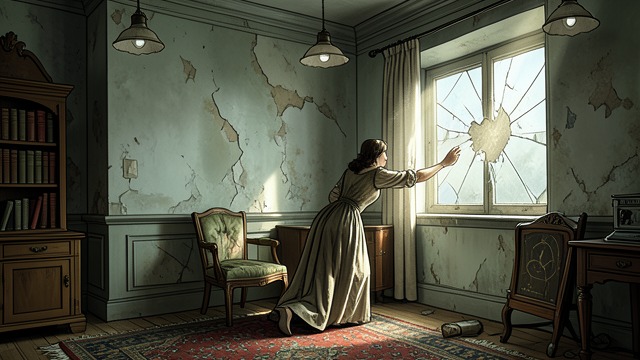
Neglected Grandeur
The Old Manor House retains graceful architecture and good furniture, but its garden and outbuildings have fallen into decay. The physical deterioration reflects the sisters’ reduced finances and emotional exhaustion.
Memory in Ruins
The collapsed greenhouse is especially prominent because Anthea remembers its fruit, vines, and flowers with obsessive intensity. A ruined structure becomes the center of a family mythology.
A Suitable Setting
The house feels less like a home than a container for unresolved sorrow. Its atmosphere prepares Marple to suspect that the past remains materially present.
Lavinia’s Normality
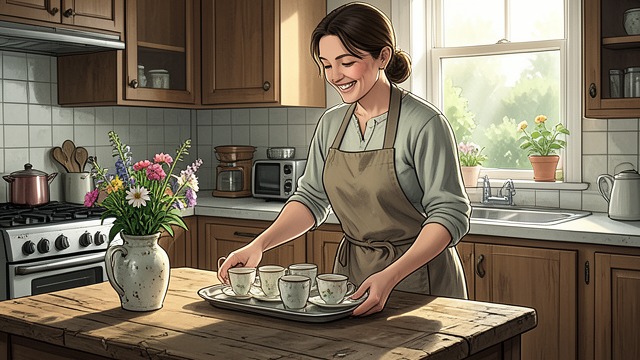
The Practical Sister
Lavinia Glynne appears friendly, domestic, and emotionally balanced. She manages hospitality and speaks of the house without the intensity shown by her sisters.
Distance from the Past
She had lived abroad with her husband when Verity Hunt died, which limits her direct knowledge of the crucial events. Her absence makes her an unlikely principal actor.
A Protective Function
Lavinia’s normality nevertheless helps preserve the household’s surface respectability. She mediates between Clotilde’s grief and Anthea’s instability.
Anthea’s Fear
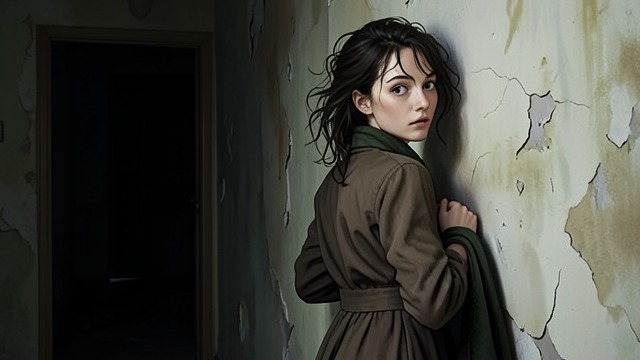
The Frightened Sister
Anthea Bradbury-Scott appears scattered, hysterical, and preoccupied with restoring the old garden. Her attention repeatedly returns to the collapsed greenhouse.
A Fearful Witness
Her habit of looking over her shoulder suggests that she feels watched by an absent presence. Marple gradually reads this not as simple eccentricity but as fear of a concealed truth.
Dangerous Dependence
Anthea knows enough about the household’s past to be frightened, yet lacks the power to oppose Clotilde openly. Her apparent instability makes her vulnerable to being blamed for later events.
Clotilde’s Authority

The Dominant Sister
Clotilde Bradbury-Scott controls the house, its finances, and the acceptable account of Verity Hunt’s death. Her intelligence and strength make her the household’s unquestioned authority.
Grief as Power
She presents herself as the devoted guardian who identified Verity’s body. Her sorrow appears genuine, but it also protects the false story she created.
The Hidden Contradiction
The woman who seems most damaged by Verity’s death is ultimately the person who arranged it. Her authority converts private love into control over truth.
The House as Tomb
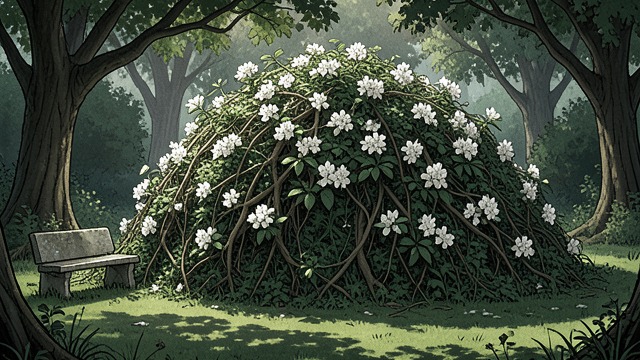
A Garden of Concealment
The mound beneath Polygonum baldschuanicum is revealed as the place where Clotilde buried Verity. The garden’s beauty has grown directly over the crime.
Preservation Through Burial
Clotilde has not simply hidden evidence; she has preserved the relationship in a form she can possess. The house becomes a tomb maintained by memory and silence.
The End of the Household Myth
When the remains are recovered, The Old Manor House loses its secret center. Its decay is no longer merely financial but the visible aftermath of a decade of concealed violence.
Jane Marple’s arrival at The Old Manor House
During Jane Marple’s first stay
During Marple’s garden conversations
During the renewed stay at The Old Manor House
After Clotilde’s confession
