
Wolf and Caribou Balance
Never Cry WolfThis thread traces the book’s developing account of wolves as selective predators whose relationship with Caribou is more complex than a simple contest between hunter and prey.
increasing Bearing strength in each event
 decreasing
Bearing strength in each eventdecreasingAn Inherited Explanation
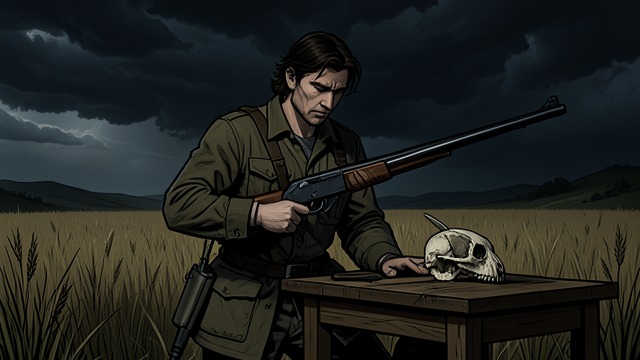
An Inherited Explanation
Wolves Blamed for Decline
Officials and hunters describe Wolves as the cause of falling Caribou numbers. Mowat is sent to investigate under the weight of this explanation.
A Central Question
The claim assumes that predation must damage the herd. The book gradually asks whether the wolf’s role may instead be part of the herd’s long-term ecology.
Caribou Ignore Wolves
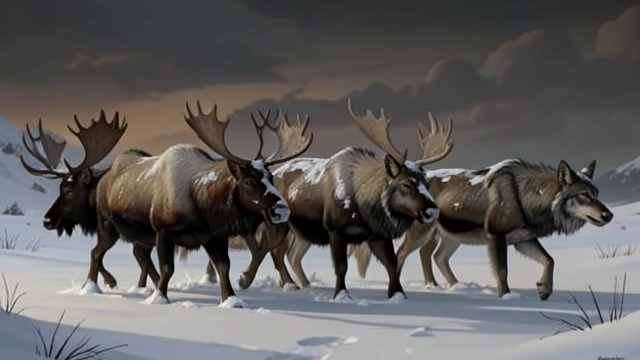
Caribou Ignore Wolves
Familiar Neighbors
Mowat watches Wolves pass close to groups of Caribou without causing panic. The deer respond mainly when a collision seems imminent.
A Relationship Reconsidered
The animals’ routine proximity suggests that Caribou do not treat every wolf as an immediate attack. Mowat’s observation undermines the idea of constant terror and indiscriminate pursuit.
The Test of Weakness
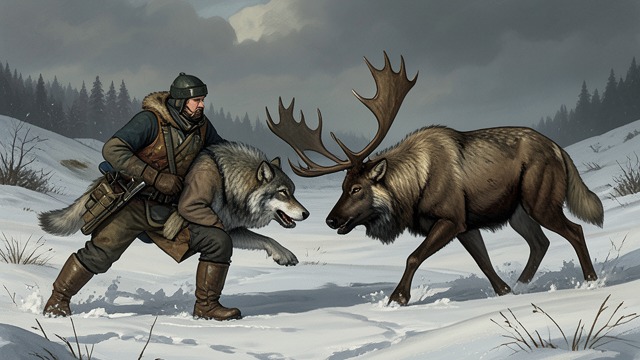
The Test of Weakness
Brief Pursuits
Wolves make short runs at groups and abandon the chase when the Caribou appear vigorous. Mowat sees a pattern of testing rather than continuous attack.
Selective Predation
The wolves focus more strongly on vulnerable animals and conserve energy when prey is healthy. Their hunting behavior appears constrained by the practical risks of pursuit.
Evidence in the Carcasses
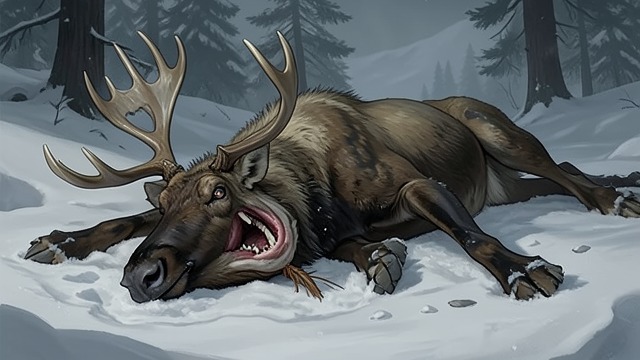
Evidence in the Carcasses
Condition of the Prey
Many examined remains belong to old or sick Caribou, and some fresh kills show heavy parasitism. The carcasses support the pattern of selective hunting Mowat has observed.
A Possible Benefit
By removing animals already weakened, Wolves may help limit the spread of poor condition through the herd. Mowat sees ecological regulation where the official account sees only destruction.
The Human Pressure
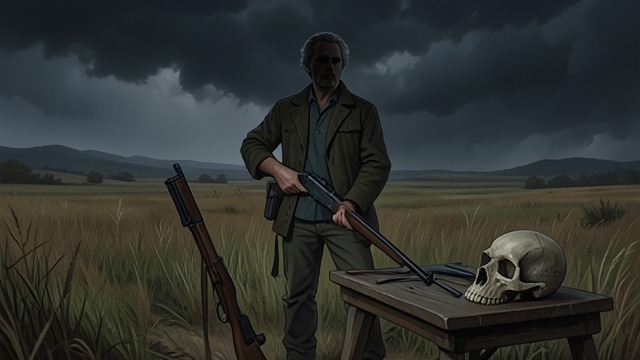
The Human Pressure
Another Source of Mortality
Mike describes killing hundreds of Caribou over time to support trapping and dog teams. His account points toward substantial human pressure that official interviews conceal.
An Unequal Blame
The wolf remains the public culprit while human harvest and trophy hunting receive less scrutiny. The ecological argument therefore becomes a challenge to the interests controlling the story.
At the start of Mowat’s government assignment
During the naked pursuit across the tundra
During the later caribou hunts
As Mowat examines wolf kills
After Mike explains the bones near the cabin
