The O’Donnell family’s Christmas reunion tradition
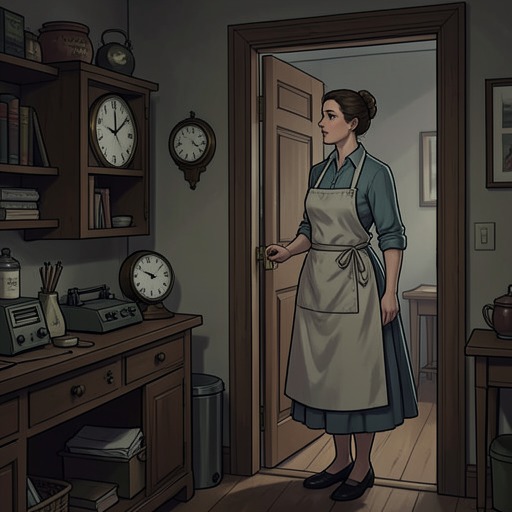
Never Kiss a Man in a Christmas JumperThe O’Donnell family’s Christmas reunion tradition is the yearly gathering that has brought Maggie O’Donnell, Ellen, and Paddy O’Donnell together since Ellen was born. Its decisive importance lies less in ceremony or culinary success than in the assurance of being together: when that familiar arrangement begins to dissolve, Maggie’s holiday plans become a measure of family change, loneliness, and the possibility of making a new kind of family.
Origins and Meaning
Maggie describes Christmas as a family constant dating back to Ellen’s birth. Ellen’s father emigrated to New Zealand with his family when she was one; although there are no hard feelings and Ellen has visited him, the annual holiday with Maggie and Paddy became their own enduring tradition. For Maggie, Christmas was special precisely because it belonged to the three of them.
The meals were far from perfect. Maggie was a poor cook, and their Christmases included dried-out turkey, burnt sprouts, and potatoes roasted well past their best. Yet those shortcomings did not diminish the occasion. The family’s small, dependable gathering mattered more than a polished celebration: its continuity made even an imperfect meal feel complete.
The Tradition Begins to Break
The first disruption comes when Ellen tells Maggie that she has been invited to spend the holidays in Paris with Jacob and his family. Ellen is nearly nineteen, independent, and strong-minded. Maggie’s first instinct is to refuse, but she recognizes that Ellen is old enough to make her own choices and that denying her the trip would be selfish. She postpones a proper conversation until the next day rather than letting her alarm decide for her.
Maggie initially expects Paddy to be at home for Christmas, so Ellen’s departure already unsettles the family pattern without making Maggie imagine that she will be entirely alone. Then Paddy explains that a friend has been offered a last-minute cabin on a cruise to the Canary Islands and that he is tempted to go. Maggie tells him she does not mind, while privately registering that another member of her family may be absent. The two prospective absences turn a change in the usual gathering into the prospect of its complete cancellation.
What Togetherness Has Meant
After Paddy leaves, Maggie looks out at the brightly decorated houses across the street. Their illuminated trees, wreaths, and festive displays sharpen the contrast between public holiday cheer and her own expectation of spending Christmas alone. She imagines the large tree, a bottle of Baileys, and a microwave dinner for one; the family ritual had made Christmas joyful, and its absence leaves her feeling empty and sad.
Marco notices the disappointment she has tried to hide. In their conversation, Maggie explains that Christmas has been hers and Ellen’s tradition since Ellen’s birth. Marco responds by recalling how his brother Rob withdrew from the family around the anniversary of Meredith’s death, and how Marco and his mother wished they could help. He draws a distinction between being pitied and being loved, reminding Maggie that Ellen and Paddy care for her and would want to support her if she asked. The exchange reframes the threatened reunion: family closeness need not mean that Maggie must conceal her sadness to spare others.
A Changing Family Future
The disruption also reaches beyond one holiday. Maggie has built a life for herself and Ellen that has felt safe and manageable, and the possible end of their familiar Christmas routine coincides with her growing feelings for Marco. She fears that he will soon leave her life and believes that her inability to have more children means she cannot offer him the family he deserves. Her attachment to the old family pattern is therefore bound up with a deeper fear: that loving Marco would require either denying him a future or accepting a painful loss.
By the time Marco tells Maggie that he wants a real future with her, he identifies their first Christmas together as its beginning. This does not erase the importance of Maggie’s years with Ellen and Paddy; it gives the holiday a new possible shape. The tradition’s meaning shifts from preserving an unchanged three-person gathering to recognizing that family bonds can endure change and that a shared Christmas may include a relationship Maggie once thought she had to rule out.