
The Cassette and Its Song
Never Let Me GoA treasured cassette connects Kathy’s childhood imagination, Madame’s response, and a later recovery that lets Kathy and Tommy share an intimate memory.
increasing Bearing strength in each event
 decreasing
Bearing strength in each eventdecreasingA Rare Find

A Rare Find
An unexpected purchase
Kathy acquires the Songs After Dark cassette at a Sale, although the singer and style are unlike the music her peers prefer. One song, “Never Let Me Go,” captivates her.
A private attachment
Kathy keeps the tape secret, partly because its cover shows a cigarette and partly because its meaning is deeply personal. The cassette becomes a private object within her public childhood.
The Imagined Mother
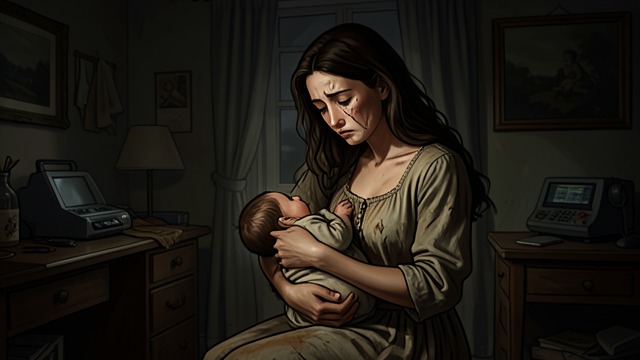
The Imagined Mother
A personal interpretation
Kathy imagines the song as a woman holding a hard-won baby and pleading not to lose it. The interpretation reflects a longing she cannot fully explain.
A world withheld
Kathy knows her reading may not fit the lyrics, but insists that it is what the song means to her. Her private fantasy gives emotional form to a future she has not yet understood.
Madame Sees Kathy
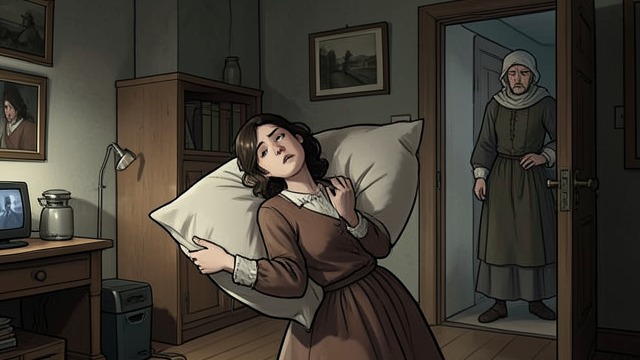
Madame Sees Kathy
A private dance
Kathy sways with a pillow while the song plays, imagining she is holding a baby. Madame watches from the dormitory doorway and cries without explaining herself.
A troubling encounter
Kathy feels exposed and confused, while Madame’s expression seems to contain both revulsion and grief. The incident will remain unexplained until Kathy meets her again years later.
The Tape Disappears
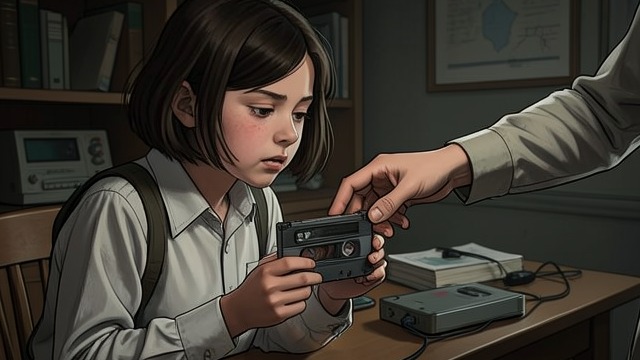
The Tape Disappears
A quiet loss
Kathy discovers that the cassette is missing from her collection and tries not to show how upset she is. No explanation for its disappearance is ever established.
Care expressed indirectly
Ruth searches for a replacement and gives Kathy another cassette. The gesture turns the loss into an occasion for care, though the original remains absent.
The Song Remembered
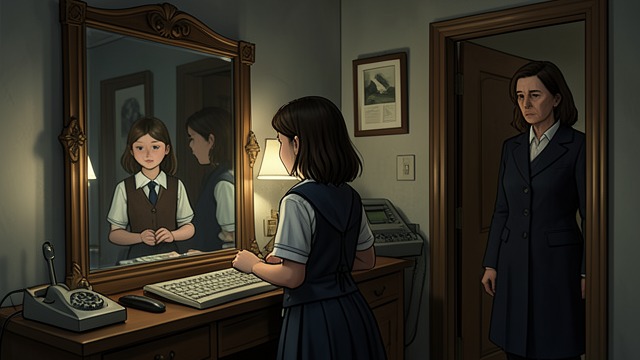
The Song Remembered
Kathy asks Madame
Kathy describes her childhood dance and sings part of “Never Let Me Go.” She explains the imagined mother and child that she had pictured at the time.
Madame’s different grief
Madame says she cried because she saw the old world, with its gentler values, being replaced by a harsh and efficient one. The song joins Kathy’s private longing to Madame’s grief over social change.
Around age eleven at a Hailsham Sale
In the months after Kathy finds the tape
One sunny afternoon at Hailsham
A few months after Madame sees Kathy
Near the ending, outside Madame’s house
