
Creativity and Status
Never Let Me GoArt begins as a source of status and exchange among students, then becomes evidence in a public campaign and a symbol of the humanity others deny them.
increasing Bearing strength in each event
 decreasing
Bearing strength in each eventdecreasingExchanges and Rankings
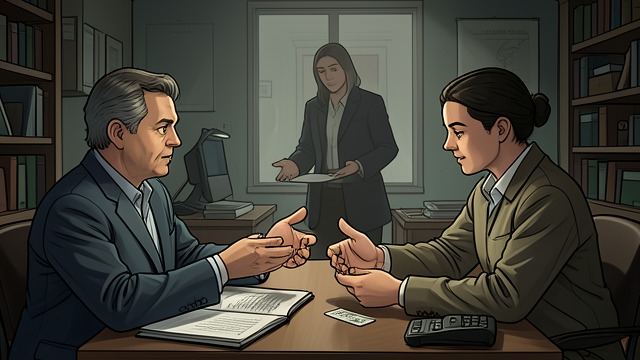
Exchanges and Rankings
Work as currency
Students receive Exchange Tokens for paintings, poems, and objects, then use them to acquire one another’s creations. Artistic skill becomes a visible form of social standing.
Personal value and pressure
The Exchange helps students build collections but also encourages them to judge one another through creative output. What seems like an ordinary school activity shapes relationships and self-worth.
Tommy’s Exclusion
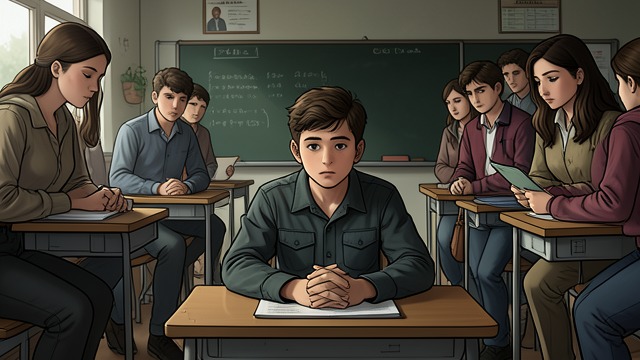
Tommy’s Exclusion
Ability judged publicly
Tommy’s weak artistic reputation contributes to his exclusion from games and friendships. His classmates treat creative failure as evidence of personal inadequacy.
A social system reproduced
The cruelty is not limited to art class; it spreads into ordinary life. Hailsham’s valuation of creative work gives students a language for ranking one another.
The Gallery’s Mystery
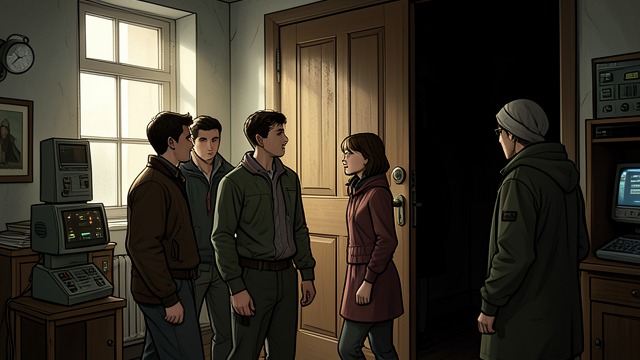
The Gallery’s Mystery
Work removed
Madame repeatedly selects student creations, but the students do not know where the work goes or why it matters. The Gallery becomes an object of rumor and curiosity.
A false explanation proposed
Tommy later believes the art may have been used to judge genuine love for deferrals. His theory gives the collection a personal purpose that the real history does not support.
Art as Proof of Souls
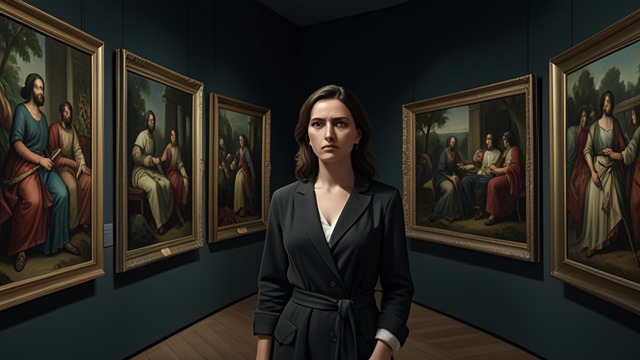
Art as Proof of Souls
A political purpose revealed
Miss Emily explains that the artwork was collected to prove the students had souls. Exhibitions challenged the belief that they were less than human.
Recognition without liberation
Art helped improve conditions for some students but did not end organ donations. Their humanity had to be demonstrated to a society that benefited from denying it.
The Unanswered Value
The Unanswered Value
Beyond political evidence
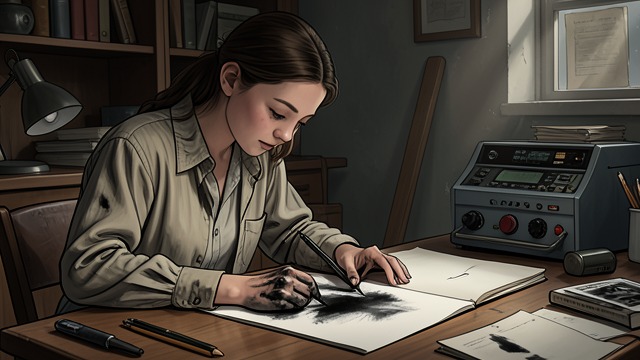
Miss Lucy had told Tommy that art mattered for his own sake as well as as evidence. Kathy and Tommy’s own work has value beyond its role in any campaign.
A limited affirmation
The novel neither makes artistic recognition a route to rescue nor treats creativity as pointless. Art reveals inner life, but revelation cannot guarantee freedom or survival.
Childhood at Hailsham
Junior years and early adolescence
From early childhood through the Norfolk trip
During the final visit to Madame’s house
After Miss Emily explains Hailsham’s purpose
