
Humanity Under the Donation Programme
Never Let Me GoThe students’ humanity is repeatedly recognized in private yet subordinated to a society that depends on their bodies for medical survival.
increasing Bearing strength in each event
 decreasing
Bearing strength in each eventdecreasingA World of Donors

A World of Donors
Care within a system
Kathy describes donors, recovery centres, and repeated operations as the ordinary structure of her work. Her calm professional language makes the system’s violence sound routine.
A concealed moral conflict
The donors’ humanity is evident in their fears, friendships, and memories, yet the institution treats their deaths as expected outcomes. The opening asks readers to notice the gap between ordinary care and extraordinary exploitation.
Different from the Guardians
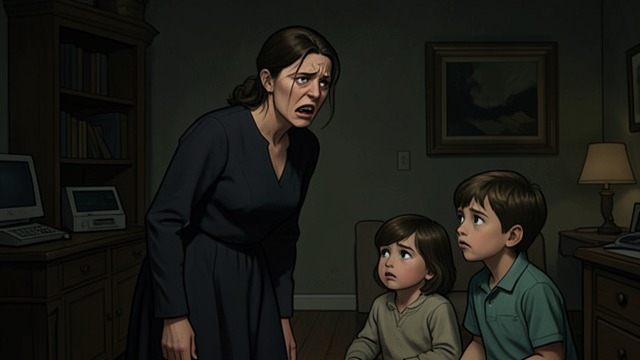
Different from the Guardians
Madame’s recoil
When Madame sees the students, she reacts as though they are frightening creatures. The children understand that her fear is tied to their being different, though they do not know the system behind it.
The gaze of exclusion
The encounter makes social stigma visible before the students can explain it. They begin to see themselves through the eyes of people who benefit from their existence but remain repelled by them.
Better Lives for a Few

Better Lives for a Few
Humane upbringing
Miss Emily says Hailsham demonstrated that students could become as sensitive and intelligent as ordinary people when raised in cultivated surroundings. The school sought recognition and better treatment.
An incomplete victory
The campaign did not challenge the necessity of donations strongly enough to end them. The students received a better childhood but were still prepared for the same exploitation.
The World Turns Away
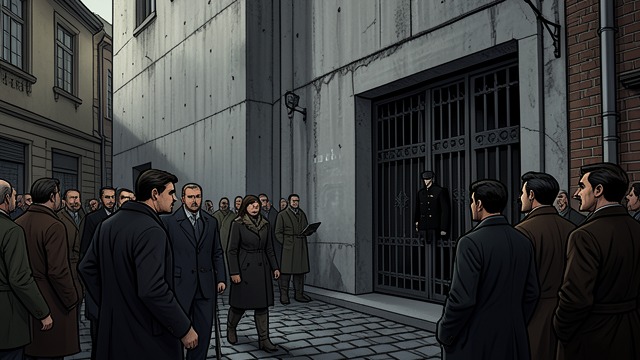
The World Turns Away
Public fear returns
The Morningdale scandal intensifies fears about created children and weakens public support for Hailsham’s movement. Donors remain necessary to medical progress, so society chooses not to look closely at their lives.
Back in the shadows
Miss Emily describes the collapse of the campaign and the disappearance of humane schools. The phrase captures how social comfort depends on keeping the students’ reality out of view.
A Last Gesture of Compassion
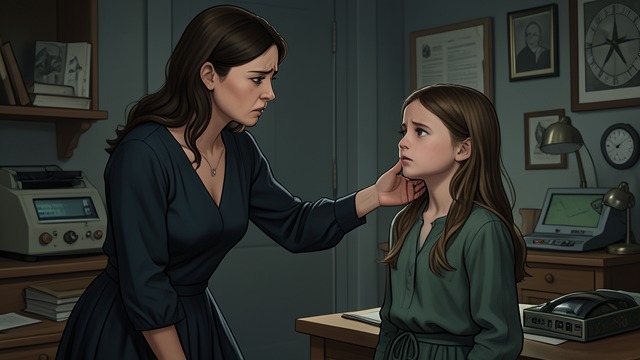
A Last Gesture of Compassion
Madame’s admission
Madame tells Kathy and Tommy that their presence once made her recoil, while insisting she and Miss Emily fought those feelings and worked for them. Compassion and prejudice coexist within her.
Humanity without deliverance
Madame’s touch on Kathy’s cheek acknowledges the students’ suffering but cannot change their fate. The encounter makes the moral failure of the wider society more visible than any one person’s kindness.
Opening in late 1990s England
Around age eight at Hailsham
The years of Hailsham’s educational project
After the Morningdale scandal
Outside Madame’s house near the ending
