
The End of the Frontier Conflict
News of the WorldThis thread follows the changing background of raids and military campaigns from immediate personal danger toward the eventual end of the Indian Wars.
increasing Bearing strength in each event
 decreasing
Bearing strength in each eventdecreasingThe Border as a Threat
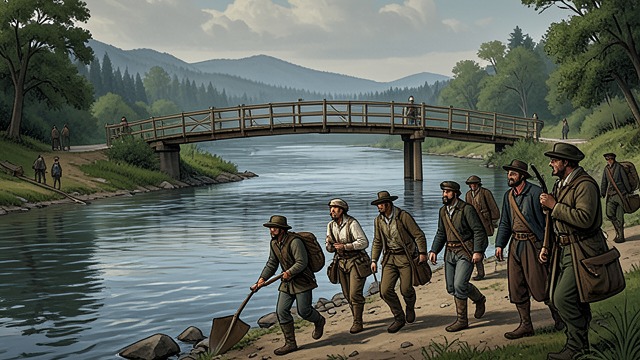
The Border as a Threat
A dangerous frontier
The Red River marks a boundary between Texas and Indian Territory, but it does not prevent raids or crossings. Settlers and travelers live with the possibility of sudden violence.
A child caught between powers
Cicada’s return is shaped by both military pressure and local insecurity. The border is not a clean division between safe and unsafe worlds.
Pressure to Surrender Captives
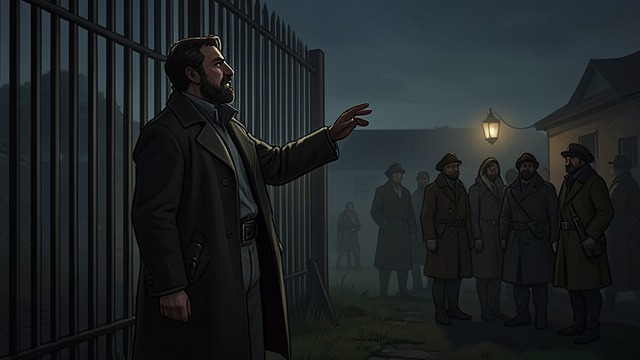
Pressure to Surrender Captives
Government ultimatum
The Indian Agent orders the return of captives and threatens to cut rations or send troops if the Kiowa refuse. The demand makes Cicada’s transfer part of a larger military policy.
Peace through coercion
The order may recover captives, but it does so through pressure that does not address the losses or attachments created during captivity. The policy produces movement without resolving grief.
Raiding Country
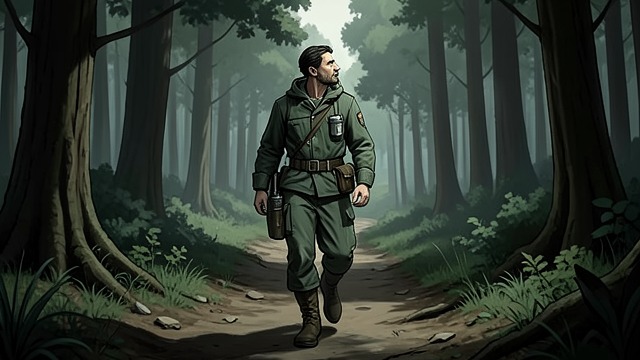
Raiding Country
Terrain favors concealment
As Kidd enters the Texas Hill Country, ridges, streams, and wooded ravines offer raiders cover. He watches for smoke, movement, and signs of disturbance before proceeding.
Every mile requires judgment
The travelers move slowly, often stopping to listen. Their route is shaped by an unfinished war in which civilians can be treated as fair targets.
The End of the Campaigns
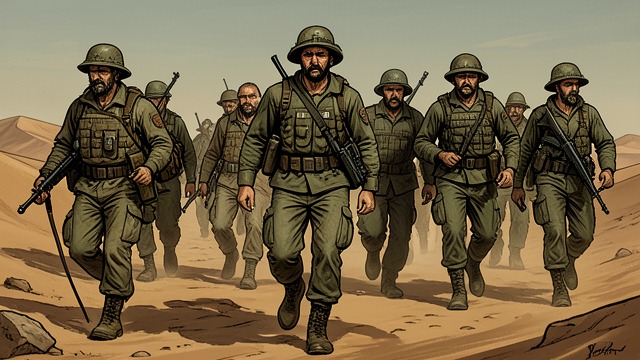
The End of the Campaigns
Military pressure intensifies
The novel later reports that Colonel Ranald Mackenzie drove the remaining Comanche and Kiowa to ground in Palo Duro Canyon. This campaign becomes part of the broader ending of the Indian Wars.
A human cost remains
The end of organized campaigns does not restore families or undo dispossession. Cicada’s story remains a personal record of what political and military conclusions leave unresolved.
Britt’s Death
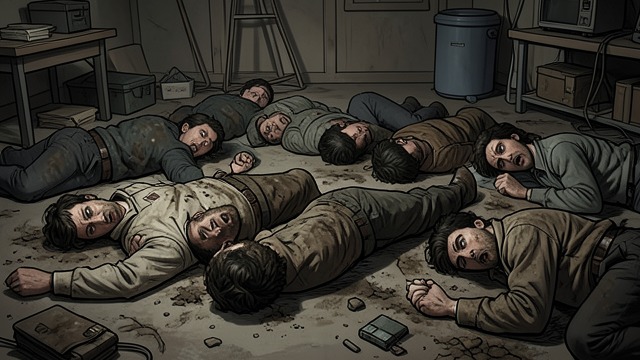
Britt’s Death
A final ambush
Britt Johnson, Paint Crawford, and Dennis Cureton are killed by Comanche attackers on a freight route near Graham. Their deaths come on an exposed stretch between towns and landmarks.
The journey’s cost recalled
Britt’s fate gives retrospective gravity to the risks he understood when he handed Cicada to Kidd. The story remembers him as both a rescuer and a man who could not escape the frontier violence he navigated.
Winter 1870, north of the Red River
Winter 1870, before the journey begins
Spring 1870, during the southern journey
After the return journey
1871, after Kidd and Cicada’s journey
