
The Suburb as a Pressure Chamber
Nieuwe burenThis thread follows the new neighborhood from Peter and Eva's promised family refuge to a setting that magnifies isolation, comparison, and fear.
increasing Bearing strength in each event
 decreasing
Bearing strength in each eventdecreasingA Planned Family Setting
A Planned Family Setting
A future mapped in advance
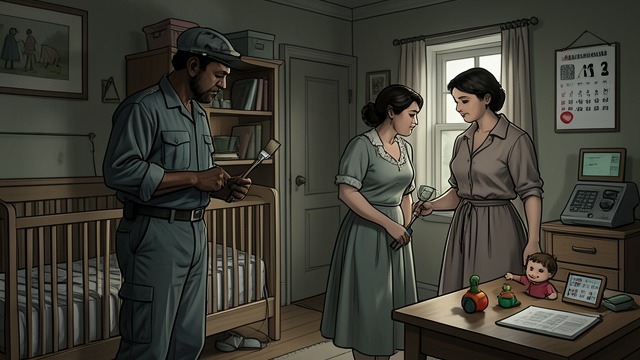
Peter and Eva select a home in De Zonnepolder for a life they expect to share with a child. The nearby school, childcare, supermarket, and planned play area make the neighborhood seem like a practical promise of family stability.
A landscape of expectation
The promotional language suggests character and beauty, but the new development initially looks to Peter like concrete blocks surrounded by mud. Its promise depends less on what exists than on what the couple expect to build there.
The house changes meaning
After Lieve dies, the rooms and planned nursery become reminders of a future that will not arrive as imagined. Peter tries to complete the house for Eva, while their shared investment in it becomes increasingly difficult to inhabit.
A Move Without Celebration
A Move Without Celebration
An unavoidable relocation
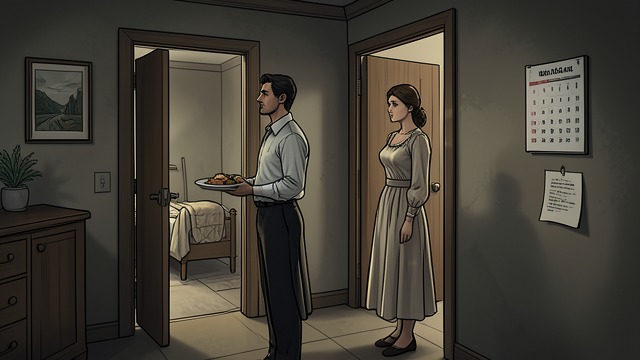
Unable to sell the house after Lieve's death, Peter and Eva must move into Melkweg 1 despite having considered abandoning it. The decision is practical, but the move forces them into a home designed around a family future they have lost.
Work as an offering
Peter has painted, tiled, and finished rooms according to Eva's wishes, including the nursery he has turned into a study. He hopes that his labor will give her something to hold on to, even though she has avoided seeing the house for months.
A strained arrival
Eva calls the move part of grieving and says they must face it together. Peter hears the phrasing as borrowed reassurance, and when she retreats upstairs, he throws the leftover dinner against the wall, revealing how little the new house has repaired between them.
The Neighbors Across the Street
The Neighbors Across the Street
Newcomers in a planned grid
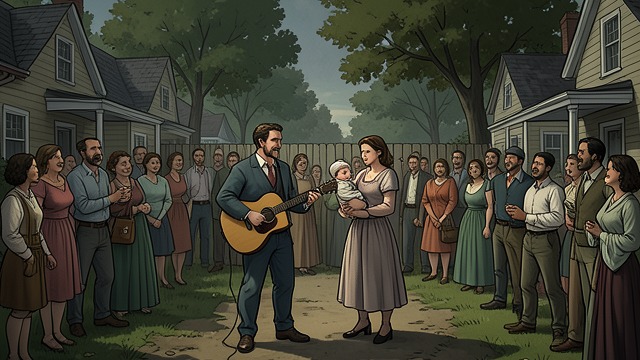
Rebecca and Steef live across the street with Sem, bringing a more informal and unpredictable household into the orderly development. Their presence offers Peter and Eva a chance to make friends when their previous social life has narrowed under grief.
Different ideas of home
Rebecca describes the neighborhood as anonymous and artificial, while Peter and Eva initially value its newness, convenience, and calm. The conversation exposes how the same streets can feel secure to one person and suffocating to another.
Proximity becomes intimacy
The neighbors' visits, barbecue, and friendship turn the short distance between the homes into a major emotional connection. That closeness helps Peter and Eva feel less isolated, but it also brings their private marital crisis into a setting where boundaries are easily crossed.
The Street as a Closed World
The Street as a Closed World
A manicured surface
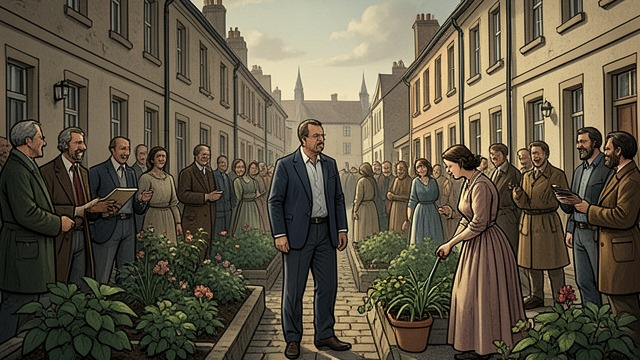
The heat makes the new streets, lawns, and gardens conspicuous. Residents water vulnerable grass, gather behind new fences, and arrange their lives in similarly finished homes, producing an appearance of comfort and order.
Comparison and loneliness
Peter observes the neighbors' routines and recognizes familiar domestic patterns behind the identical settings. Their visible family lives sharpen the couple's awareness of what they lack, even as Peter's own carefully maintained lawn gives him a small sense of control.
Community without refuge
Barbecues and casual conversations briefly make the street feel sociable. But privacy remains fragile: the same close-knit geography allows fear, suspicion, and gossip to spread from one household to another.
The Neighborhood Becomes a Trap
The Neighborhood Becomes a Trap
Familiar streets turn threatening
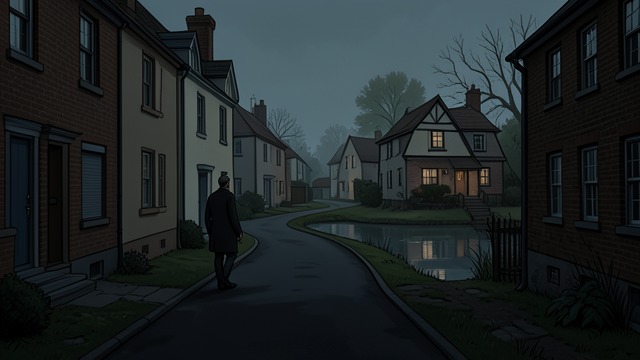
As Peter becomes convinced that Eva and the neighbors are hiding something, he watches houses and follows activity along the street. The ordinary layout of homes and paths becomes, in his mind, a network of concealed meetings.
Isolation behind the windows
The development's quietness offers no dependable help. Peter sees residents enclosed in their own routines and interprets their distance as evidence that no one will intervene or protect him.
The setting reaches its climax
Peter's search for Eva leads him through the holiday park's dark paths to the cottage by the pond. The geography of temporary homes and wooded walkways echoes the emotional displacement he has experienced in his own house, culminating in an armed confrontation inside someone else's refuge.
When Peter and Eva first choose their new home
On the day Peter and Eva move into Melkweg 1
During the couple's first encounters with Rebecca and Steef
During the exceptionally hot summer and the neighborhood gatherings
After the young man's death, as Peter's suspicions intensify
