Peter and Lieve’s Parent-Child Relationship
Nieuwe burenPeter and Lieve’s Parent-Child Relationship shapes Peter’s response at the climax: as he confronts Steef with a gun, the memory of his dead child interrupts his movement toward violence. Lieve is present not as an abstract loss but as a remembered body, and that memory helps stop Peter from firing.
Loss and Memory
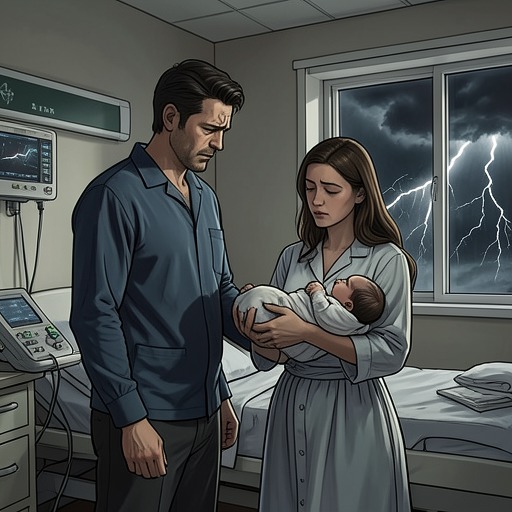
Peter’s account of the confrontation turns abruptly from the immediate threat to the image of Lieve’s cold, lifeless body. In a second moment, he recalls seeing her dead in a glass hospital tray. The stark physical detail makes his bereavement inseparable from the present scene: the person he is confronting and the child he has lost occupy the same instant in his thoughts.
The Confrontation
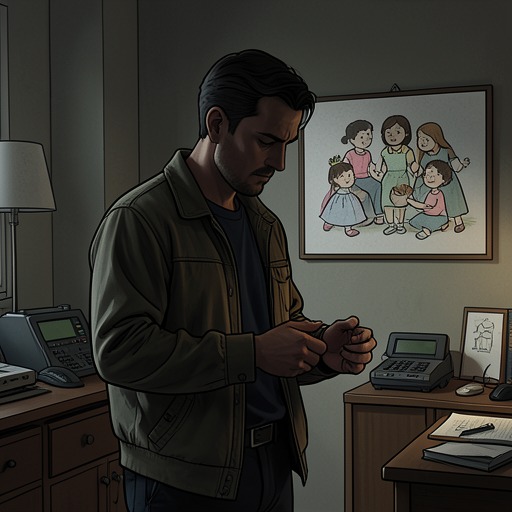
Peter aims at Steef and comes close to shooting him. When he sees Lieve in the hospital image, however, he cannot complete the act. He registers that a child is involved, linking his memory of Lieve with the child whose paternity is at issue in the confrontation. The thought does not resolve the conflict, but it breaks the sequence between aiming and firing.
Significance
The relationship is revealed here through consequence rather than recollection alone. Lieve’s death remains an active force in Peter’s decisions: at the moment when his grief and rage could become another death, the memory of his daughter restrains him. The scene binds his lost fatherhood to the possibility of a child’s future, making the parent-child bond both a wound and a limit on violence.