Peter's bereavement over Lieve
Nieuwe burenPeter’s bereavement over Lieve resurfaces at the point when he is poised to shoot Steef. The memory of Lieve’s dead body interrupts the threat of another death: Peter cannot fire, and Rebecca shoots him instead.
The Loss as a Physical Memory
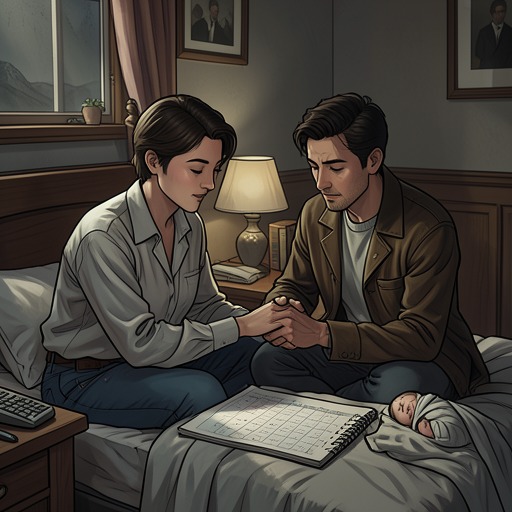
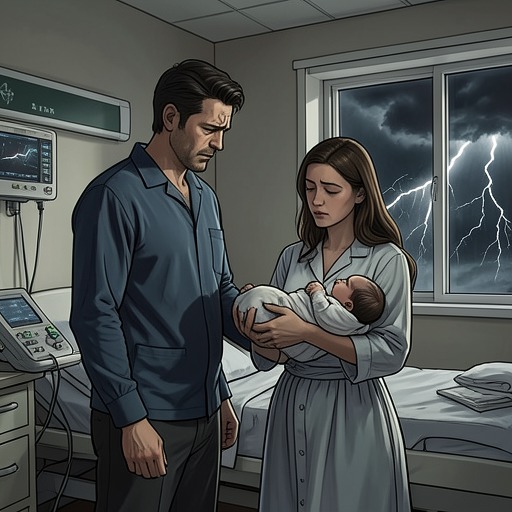
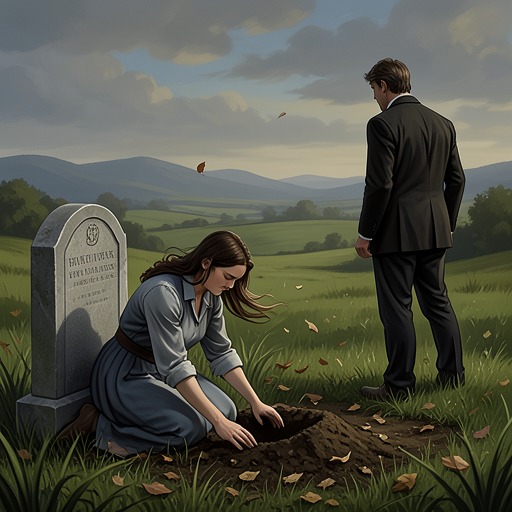
Peter’s grief appears not as a general reflection but as an image he cannot escape: Lieve’s cold, lifeless little body. Later in the confrontation, he sees her again in the hospital’s glass dish. The memory is brief and concrete, returning at the instant his finger is on the trigger; the narration’s clipped sequence of trigger, fearful gaze, death, and Lieve’s body makes the past loss collide with the violence he is about to commit.
Grief in the Confrontation with Steef
The memory intervenes after Peter has watched Steef cower and has continued to regard him as a vile man, despite his fear. Steef appeals to Peter to think of the child and of what that child would lose if its father went to prison. Peter resents the suggestion that the child is his, and raises his aim again. Yet when Lieve’s image returns, he recognizes that a child is involved and cannot bring himself to shoot. His grief does not resolve the accusation or reconcile him with Steef; it breaks the movement toward pulling the trigger.
The Loss’s Immediate Consequence
Before Peter can fire, Rebecca appears in the doorway with the weapon and shoots him in the flank. The scene thus places Lieve’s death at the hinge between Peter’s intention to kill and the violence that follows: his bereavement restrains his hand, but does not prevent the confrontation from turning into gunfire. The text shows grief operating as an involuntary interruption, not as recovery or release.