
The Body as Evidence
Night TrainThis theme-focused thread traces how the novel makes the body both a forensic object and a living record of intimacy, illness, and loss.
increasing Bearing strength in each event
 decreasing
Bearing strength in each eventdecreasingA Beautiful Body
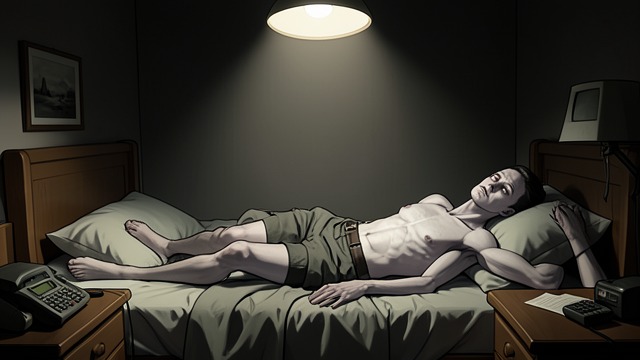
A Beautiful Body
Familiar Admiration
Mike remembers Jennifer's athletic figure and the confidence with which she inhabited it. The dead body appears recognizable and radically unfamiliar at once.
Personhood and Objectification
The scene forces Mike to see the body as evidence while resisting the reduction of Jennifer to a naked object. Her beauty intensifies the discomfort rather than explaining the death.
The Autopsy's Transformation
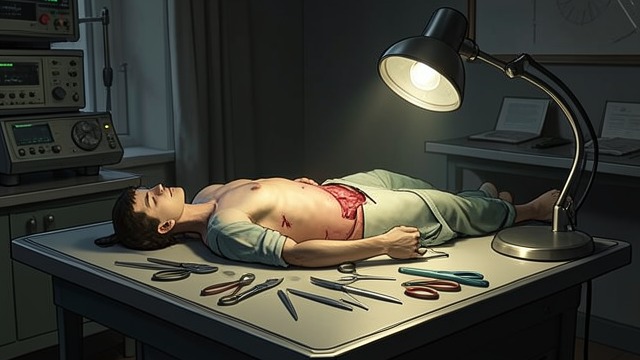
The Autopsy's Transformation
Body Into Evidence
Paulie No examines, cuts, and measures Jennifer, converting her body into a source of forensic information. Mike calls the process a form of violation even as it serves the living.
Knowledge at a Cost
The autopsy reveals the number of shots and later evidence of self-inflicted death. Its clarity is achieved through an act that strips the body of ordinary human boundaries.
A Hand Remembers

A Hand Remembers
Spasm and Contact
The report records Jennifer's tight grip on the revolver and the imprint left by its trigger and butt. Her hand preserves physical evidence beyond the moment of action.
The Body's Reply
Mike reads the mark as a clue to what Jennifer did, not as an explanation of what she felt. The body can answer how while remaining silent about why.
Medication Without History

Medication Without History
A Hidden Substance
Lithium in Jennifer's system suggests intervention in her mind, while the medical record shows no known treatment. The mismatch makes her body evidence of a private life unknown to her family.
Inference Under Pressure
Mike and the others infer illness before establishing how long the drug was used. The body invites explanation but does not validate every story built around it.
The Organ Tree's Contradiction
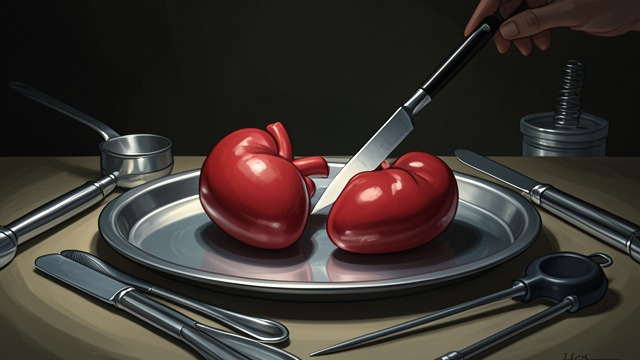
The Organ Tree's Contradiction
Healthy Organs
Paulie No says Jennifer's kidneys and other organs show no expected evidence of sustained lithium use. Her body contradicts the family's confident medication narrative.
An Unfinished Record
Physical examination can disprove a simple account but cannot reconstruct the full mental life that ended in suicide. The body remains a record whose meanings have limits.
March 4, at the death scene
March 5
March 14
March 18 through late March
April 2
