Escobedo ruling
Night TrainThe Escobedo ruling functions as a practical boundary on police interrogation: in Mike Hoolihan’s account, it has taken the force out of the old bad-cop role. Rather than explain the ruling through legal doctrine, the novel measures its consequence against the once-familiar violence of police questioning and Mike’s deliberately different approach to Trader Faulkner.
The Ruling as a Limit on Interrogation
Mike places the ruling thirty years in the past and treats it as the point after which bad cop “has lost all his moves.” The phrase frames the change as procedural and practical: a tactic once sustained by intimidation is no longer available to officers in the same way. The passage does not spell out the ruling’s legal terms; it shows its force through the methods Mike says have become unusable.
The bluntest example is the old practice of a bad cop entering the interrogation room every ten minutes to strike a suspect over the head with the Yellow Pages. The detail makes the boundary concrete. Police power is not presented as absent, but as constrained: a familiar form of physical coercion belongs to an earlier period, not to the investigation Mike is conducting.
The Ruling in the Interrogation of Trader Faulkner
Before questioning Trader, Mike rejects the good-cop/bad-cop routine. She considers it ineffective both because suspects recognize it from television reruns of Hawaii Five-O and because, in her view, the legal change has removed the old bad cop’s leverage. The ruling thus meets a second limit: even apart from its procedural implications, a staged interrogation is legible to the person subjected to it.
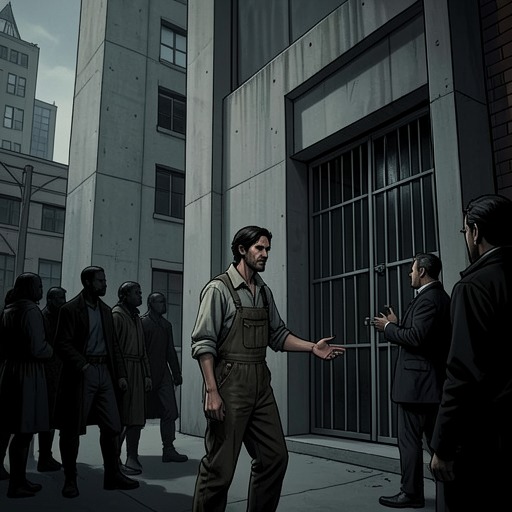
Tony Silvera offers input, but Mike declines it, insisting that she must handle the interview alone and in her own way. She then takes Trader to a small interrogation room and leaves him there for two and a half hours, telling him he can knock if he needs anything; he does not stir. The contrast is significant: the scene retains the pressure of police custody, but replaces the openly violent routine Mike associates with the past with isolation, waiting, and her own controlled conduct. The passage does not equate those methods or claim that the ruling dictates every detail of her approach; it shows the ruling as part of the procedural context in which she chooses to work.
Narrative Significance
The brief reference links a named legal ruling to the everyday craft of homicide investigation. Rather than pause for a legal history, Mike explains the change through the obsolete image of a suspect being hit with a telephone directory, then acts in a way that rejects the theatrical interrogation routine. Her account makes the ruling both a limit on coercive police practice and a marker of professional change: she insists on conducting the questioning in her own manner, not reviving a method she regards as legally and practically spent.