Tobe
Night TrainTobe is Mike Hoolihan’s boyfriend and roommate, a substantial, familiar presence in her home. Mike describes love as difficult and destabilizing, yet says she values and needs Tobe; his gradual, patient way of staying close has begun to work. Their relationship is rendered less through declarations than through shared routines, recurring sounds, and Mike’s attention to his physical discomfort.
Identity and Place in Mike’s Life
Mike identifies Tobe as her boyfriend and says he lives with her. Their shared home gives him a settled place in a life crowded with work, recovery, classes, and other commitments. Mike even recounts that her boyfriend thinks she has no time for a boyfriend, a dry acknowledgment of how little room her schedule seems to leave for intimacy. Still, she insists that she does have one: Tobe.
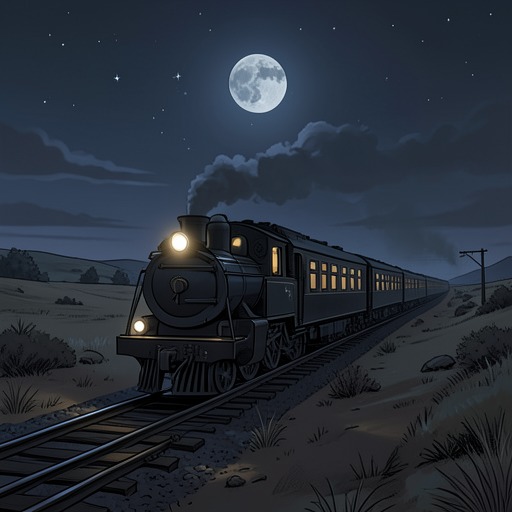
Mike describes him as enormous, someone who fills a room. When he comes in late, his arrival is compared to the passing night train, whose approach seems to rouse the building. The image makes Tobe’s presence hard to miss, but it also establishes a familiar pattern: his return is part of the apartment’s nightly life.
Affection and the Difficulty of Intimacy
Mike says she finds love difficult and that love finds her difficult. Her past with Deniss taught her that intimacy can unsettle her, and she feels she cannot afford to be destabilized. Against that history, Tobe’s apparent strategy is simply to stay and allow affection to grow over time. Mike recognizes that it is working, though so slowly that she doubts she will live long enough to see where it leads. Her account holds caution and attachment together: she does not describe herself as transformed, but she acknowledges that Tobe’s persistence matters to her.
Shared Domestic Routines
Their relationship appears in small, practical scenes. On one evening, after Mike tells Tobe what will be on television, he goes to Fretnick’s for a couple of beers. Alcohol remains in their apartment, and Mike admits that she likes knowing it is there even though drinking would be dangerous for her. She cooks Tobe an early dinner; after finishing his pork chop, he leaves at about seven. The scene places his drinking outside the home and Mike’s vulnerability beside an ordinary act of care, without suggesting that their arrangements resolve her struggle with alcohol.
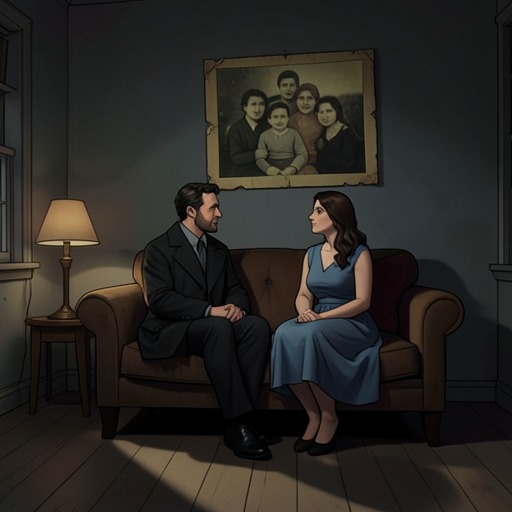
The apartment is also a site of reassurance. At one point Mike wonders whether the sound on the stairs is Tobe starting up or the distant night train, then repeats to herself that she does not live alone and lives with Tobe. The repetition turns a plain fact of cohabitation into an insistence against solitude. Tobe’s presence is not merely background: it is something Mike names and holds onto.
Physical Vulnerability and Narrative Significance
Later, Mike stands over Tobe in the bedroom and considers how much his body troubles him, even during the simple act of sitting through a game show with a beer. She understands that his discomfort continues in sleep. The moment shifts attention from the imposing figure who seems to fill the room to the vulnerable person whose pain Mike has been watching. Her concern is quiet, expressed through sustained attention rather than a stated plan to help.
Tobe’s characterization rests on this contrast between physical scale and bodily suffering, and between Mike’s fear of destabilizing love and her repeated recognition that she needs him. The night-train image accompanies his audible arrival, while Mike’s later contemplation of him in the bedroom gives that domestic closeness a more tender weight. The evidence leaves their future unresolved, but establishes Tobe as a steady companion whose presence has become central to how Mike understands not living alone.