Tom Rockwell
Night TrainTom Rockwell is a senior police commander whose authority cannot shield him from the shock of his daughter Jennifer’s death. The novel sets his public identity as a rising, politically adept officer against the quiet, uncertain father who asks Mike Hoolihan to investigate what happened.
Identity and Career
During much of Mike Hoolihan’s time in Homicide, Tom served as a squad supervisor. Over the following ten years he rose through the department: lieutenant and shift commander, captain in charge of Crimes Against Persons, then full colonel and head of CID. His ascent is described as a rapid climb into the department’s upper ranks.
The promotion changed the work associated with his position. Tom came to see himself less as a street-level cop than as a communicator, occupied with statistics, budgets, and public relations. He might rise further, to deputy commissioner for operations or even mayor, but the account presents those possibilities as speculation, not completed steps in his career. The contrast matters when crisis strips away the practiced composure of the political operator.
Jennifer’s Death and the Case
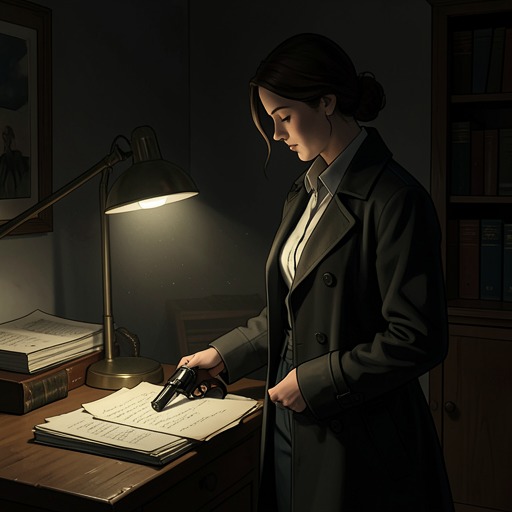
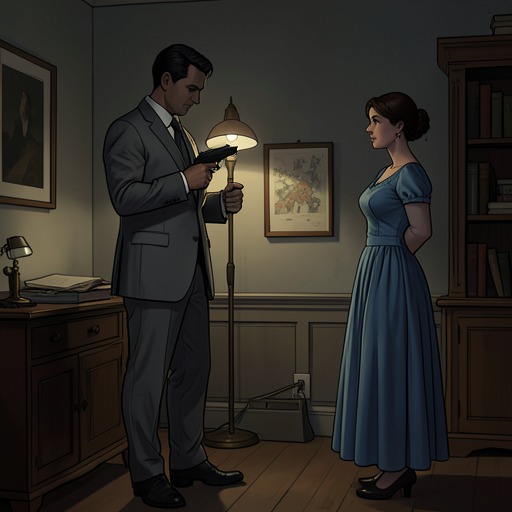
Tom first tells Mike that his daughter has killed herself that night. The news is sudden and violent, and Mike immediately understands that Tom is asking him to deliver a death notification to someone close to the deceased. When the conversation turns to Jennifer’s case, Tom says that it has been marked pending and asks Mike to do something for him.
His request carries the weight of their history: Mike recalls that Tom once saved his life and says he would do anything for him. The exchange makes the investigation personal before its circumstances are clear. Tom is not simply a senior officer assigning work; he is a bereaved father asking a trusted colleague to take responsibility for a case he cannot approach as an ordinary assignment.
Grief and Uncertainty
In one later conversation, Tom sits very quietly. Mike gives him room to speak, and Tom eventually says that something happened at home. His pause and difficulty beginning stand in sharp contrast to his former confidence as a communicator: the man who once defined himself through managing messages now struggles to put his own distress into words.
Later, beside his wife Miriam, Tom appears steadier; the narration compares his mood to that of someone stabilized on lithium. Yet the steadiness does not resolve his grief. He tells Mike that they had been looking for a reason and seem to have found one, but that they still do not know who Jennifer was. The question shifts attention from the case’s explanation to the person the explanation cannot fully recover. Tom’s arc remains suspended between the police search for a why and a father’s painful recognition that an answer may not restore knowledge of his daughter.